
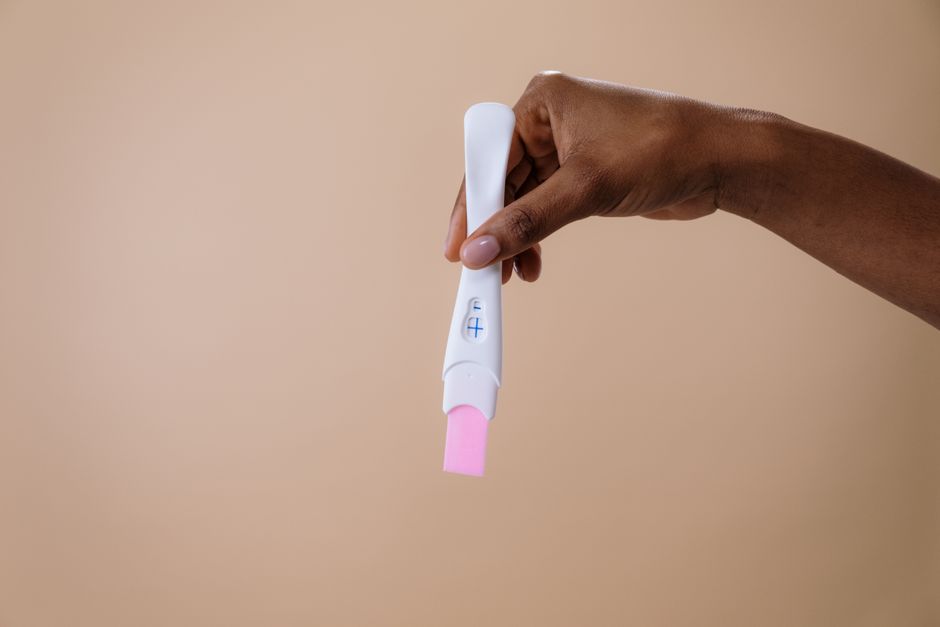
Many couples wonder if they can influence the sex of their baby, and the idea of choosing to conceive a boy is a common one. The truth is that no method guarantees a boy, but understanding how sperm and the reproductive cycle work can help you time intercourse in a way that may slightly increase your chances. This step-by-step guide breaks down the science, the timing, and the reality of what you can and cannot control.
What Determines the Sex of a Baby?
A baby’s sex is determined at the moment of conception by the sperm. The mother’s egg always carries an X chromosome. The sperm can carry either an X or a Y chromosome.
If a Y-bearing sperm fertilizes the egg, the baby will be a boy (XY). If an X-bearing sperm fertilizes the egg, the baby will be a girl (XX). This is a biological fact that is not influenced by diet, timing, or position—the sperm that reaches the egg first wins the race.
Since the father produces roughly equal numbers of X and Y sperm, the natural odds of having a boy are about 50 percent. Some methods claim to shift these odds slightly, but none can guarantee the outcome.
Does the Shettles Method Really Work?
The Shettles Method is the most famous approach for sex selection. It was developed by Dr. Landrum Shettles in the 1960s and is based on the idea that Y-bearing sperm are faster but die sooner, while X-bearing sperm are slower but live longer.
According to this theory, having intercourse close to ovulation favors boys because the faster Y sperm can reach the egg first. Having intercourse days before ovulation favors girls because the X sperm survive longer while waiting for the egg to be released.
Some research supports this idea, but the evidence is far from conclusive. A study published in the New England Journal of Medicine found no support for the timing method as a reliable way to select sex. The biological plausibility is real, but the clinical evidence is mixed.
In practice, many couples use this method because it is free and has no health risks. It may slightly shift the odds, but you should expect it to fail as often as it succeeds over many attempts.
Step by Step: Timing Intercourse for a Boy
If you want to try the Shettles approach for conceiving a boy, the core step is precise timing of intercourse around ovulation. Here is how to do it.
Step 1: Track your cycle. You need to know when you ovulate. A typical cycle is 28 days, but this varies. Ovulation usually happens about 14 days before your next period starts.
Step 2: Use ovulation predictor kits. These kits detect the surge of luteinizing hormone (LH) that happens 24 to 36 hours before ovulation. A positive test means ovulation is imminent.
Step 3: Have intercourse on the day of ovulation. The Shettles Method recommends having sex as close to ovulation as possible, ideally on the day of the LH surge or the day after. This gives the faster Y sperm the best chance to reach the egg first.
Step 4: Avoid intercourse in the days before ovulation. The theory suggests that having sex too early allows the longer-lived X sperm to survive and wait for the egg, which favors girls. To favor boys, you limit intercourse to the fertile window close to ovulation.
This method requires discipline and accurate ovulation tracking. If your cycle is irregular, predicting ovulation becomes harder, and the method is less reliable.





Does Sexual Position Matter for Conceiving a Boy?
Some people believe that deep penetration favors boys because it places sperm closer to the cervix, shortening their journey to the egg. The idea is that a shorter distance helps the faster but shorter-lived Y sperm survive the trip.
There is no scientific evidence that sexual position influences the sex of a baby. The cervix opens into the vagina, and sperm are deposited there regardless of position. Gravity does play a small role in keeping sperm near the cervix, but no study has linked specific positions to a higher chance of conceiving a boy.
You can try positions with deeper penetration if you wish, but do not expect this to change the outcome. The biology of sperm competition happens inside the reproductive tract, and position does not alter which sperm wins.
Can Diet or Lifestyle Increase Your Chances of a Boy?
Some popular theories suggest that certain diets or lifestyle habits can influence the sex of a baby. These ideas are based on the observation that Y sperm may thrive in more alkaline environments, while X sperm survive better in acidic conditions.
Some studies have looked at whether diets high in potassium, sodium, or calories are associated with conceiving boys. One study found a link between higher calorie intake and male births, but the effect was small and the study has not been replicated on a large scale.
There is no established clinical guideline recommending a specific diet for sex selection. Changing your diet drastically to alter vaginal pH is not supported by evidence and could be unhealthy. The vaginal environment is naturally acidic, and the body maintains this balance for good reasons—to prevent infections.
Your best approach is to eat a balanced, healthy diet for fertility overall. No food or supplement has been proven to reliably influence whether you conceive a boy or a girl.
What About Sperm Sorting or Medical Sex Selection?
For couples who feel strongly about having a boy, medical options exist that are far more reliable than timing or diet. These methods are used in fertility clinics and come with significant costs and ethical considerations.
Preimplantation Genetic Testing (PGT) is the most reliable method. Embryos are created through in vitro fertilization (IVF), and each embryo is tested for sex chromosomes. Only embryos of the desired sex are transferred to the uterus. This method is nearly 100 percent accurate for selecting sex.
Sperm sorting is another option. Techniques like flow cytometry attempt to separate X and Y sperm in the lab. The separated sperm are then used for intrauterine insemination (IUI) or IVF. This method is about 80 to 90 percent accurate for selecting girls, but slightly less accurate for boys.
These procedures are expensive, invasive, and often not covered by insurance. In many countries, sex selection for non-medical reasons is restricted or illegal. In the United States, it is legal but ethically debated. Most fertility clinics require a medical reason for sex selection, such as preventing sex-linked genetic disorders.
If you are considering these options, speak with a reproductive endocrinologist. They can explain the risks, costs, and success rates honestly.
What Are the Real Odds of Conceiving a Boy?
Even with perfect timing, the odds of conceiving a boy are close to 50 percent. The Shettles Method may shift this slightly, but the effect is not large enough to guarantee a result.
Some research suggests that the ratio of male to female births is naturally around 105 boys for every 100 girls. This slight male bias is observed globally and is thought to be nature’s way of balancing the slightly higher male mortality rate in childhood. But this is a population statistic, not a prediction for any individual couple.
If you are trying to conceive a boy, the most honest expectation is that you have about a coin flip chance. Methods like timing may nudge the odds a little, but they do not change the fundamental biology.
Is There Any Risk in Trying These Methods?
Timing intercourse around ovulation is safe. It does not harm your health or the health of a potential baby. The main risk is emotional—if the method fails, it can be disappointing, especially after months of careful tracking.
One practical concern is that limiting intercourse to a narrow window can reduce your overall chances of conceiving. If you time sex too close to ovulation and miss the exact day, you may miss the cycle entirely. A more relaxed approach, having intercourse every other day during the fertile window, maximizes your overall conception odds but may reduce the precision needed for the Shettles Method.
Do not use douches or vaginal washes that claim to change pH for sex selection. These products can disrupt the natural vaginal flora and increase the risk of infections. No clinical evidence supports their effectiveness.
Frequently Asked Questions
How many days before ovulation should I have intercourse to conceive a boy?
Have intercourse as close to ovulation as possible, ideally on the day of ovulation or the day of the LH surge. This timing gives the faster Y-bearing sperm the best chance to reach the egg first.
Can the Shettles Method guarantee a boy?
No method guarantees a boy. The Shettles Method may slightly increase your chances based on sperm timing, but the evidence is mixed and the outcome remains close to a coin flip.
Does a high-sodium diet help you conceive a boy?
Some studies have found a weak link between diets high in potassium and sodium and male births, but no clinical guideline recommends this diet. The evidence is not strong enough to justify changing your eating habits.
Is IVF the only reliable way to choose the sex of a baby?
Yes, preimplantation genetic testing during IVF is the most reliable method for selecting sex, with near 100 percent accuracy. It is expensive, invasive, and often restricted to medical reasons.
