
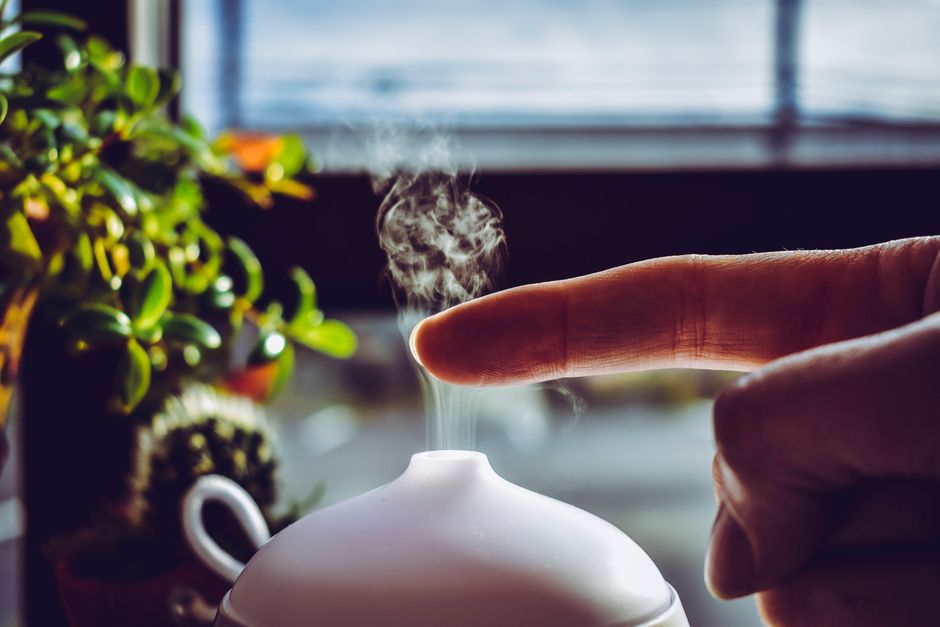
Nasal congestion happens when the blood vessels in your nasal passages swell and the tissues become inflamed. This swelling narrows the air passages, making it harder to breathe through your nose. Steam and saline rinses work by adding moisture to those irritated tissues and thinning the mucus that is blocking your airway. For most people with a common cold or allergies, using steam from a shower or a bowl of hot water, along with a simple saline rinse, can provide noticeable relief within minutes.
Why Does Steam Help With Nasal Congestion?
Steam helps because it delivers warm, moist air directly to your nasal passages. The warmth helps increase blood flow to the area, which can soothe inflamed tissue. The moisture does the heavier lifting by thinning out thick, sticky mucus so it drains more easily instead of pooling in your sinuses.
Think of mucus like honey. Cold honey barely moves. Warm it up and it flows freely. The same principle applies to the mucus in your nose. When you inhale steam, you are essentially warming and loosening that mucus, allowing your body to clear it out naturally through drainage or by blowing your nose.
This is not a cure for the underlying cause of your congestion, whether that is a virus or allergies. It is a comfort measure that improves airflow and reduces the feeling of pressure while your body fights off the infection or you remove the allergen.
How To Do A Steam Treatment Safely At Home
The most common and traditional method is the bowl of hot water. Fill a large heat-safe bowl with hot water from your tap, not boiling water from a kettle. Boiling water poses a serious burn risk, especially if the bowl tips over. Place the bowl on a stable table, lean over it, and drape a towel over your head and the bowl to trap the steam.
Keep your face at a comfortable distance. If the steam feels too hot on your skin, move back. You want to feel warmth, not pain. Breathe slowly and deeply through your nose for about five to ten minutes. If your nose is completely blocked, breathe through your mouth for a few breaths, then try your nose again as the steam begins to work.
A hot shower is a simpler and often safer alternative. The entire bathroom fills with steam, which you can breathe in naturally without the risk of leaning over a hot bowl. This is particularly useful for children or anyone who may have trouble sitting still over a bowl of water.
Saline Rinses: The Evidence Behind The Neti Pot
Saline rinses involve flushing the nasal cavity with a salt and water solution. This is not just folklore. Clinical research has consistently shown that saline nasal irrigation helps clear mucus and improve symptoms in people with chronic sinusitis and acute upper respiratory infections.
The rinse works mechanically. It physically washes out thick mucus, allergens, and debris from your nasal passages. The salt in the solution also helps draw fluid out of the swollen tissues, which can temporarily reduce inflammation and open up the airway.
You can buy premixed saline sprays at any drugstore, or you can make your own rinse at home. If you choose a neti pot or squeeze bottle, the water must be distilled, sterile, or previously boiled and cooled. Never use straight tap water in a neti pot. Tap water can contain organisms that are safe to swallow but dangerous if trapped in your nasal passages.





How To Use A Saline Rinse Correctly
Stand over a sink and tilt your head forward at about a 45-degree angle. Insert the spout into your upper nostril and gently pour or squeeze the solution in. The fluid should flow through your nasal cavity and come out the lower nostril. Breathe through your mouth while you do this.
Use about half the solution on one side, then switch to the other side. Blow your nose gently afterward to clear out any remaining fluid and loosened mucus. Do not forcefully blow, as this can push fluid into your eustachian tubes and cause ear discomfort.
Rinsing once or twice a day is generally sufficient for most people during an acute illness. If you have chronic sinus issues, some clinicians recommend daily rinsing as part of a maintenance routine, but you should discuss this with your doctor first.
Other Methods That Work Alongside Steam And Rinses
Steam and saline are not the only tools that work. A few other methods can help clear congestion, and they work well in combination with the moisture-based approaches.
Hydration is critical. Drinking plenty of fluids keeps your mucus thin and watery. When you are dehydrated, your mucus becomes thicker and harder to clear. Water, broth, and warm tea all count.
Elevation helps while you sleep. When you lie flat, mucus pools in your nasal passages and sinuses. Propping your head up with an extra pillow encourages drainage and can reduce nighttime congestion.
Saline sprays are a lighter alternative to full rinses. They are not as effective at washing out thick mucus, but they are convenient and safe to use several times a day. They are especially useful during the day when you do not have time for a full rinse routine.
When Congestion Requires Medical Attention
Most congestion clears up on its own within a week to ten days. But some situations require a doctor’s evaluation.
Seek medical attention if your congestion lasts longer than ten days without improvement, or if it gets worse after initially getting better. This pattern can indicate a bacterial sinus infection that may need antibiotics. Fever, facial pain that is severe, or swelling around your eyes are also signs that you should see a healthcare provider.
If you have asthma, chronic lung disease, or a weakened immune system, check with your doctor early in your illness. What seems like simple congestion can become more complicated in these populations.
For children under three months old, any nasal congestion should be evaluated by a pediatrician. Infants breathe primarily through their noses, and congestion can interfere with feeding and breathing more seriously than it does in older children and adults.
Common Mistakes That Make Congestion Worse
One of the most common mistakes is using decongestant sprays for too long. Over-the-counter sprays like oxymetazoline work quickly, but using them for more than three consecutive days can cause rebound congestion. Your nasal passages become dependent on the spray, and when it wears off, the swelling returns worse than before.
Another mistake is blowing your nose too forcefully. Gentle blowing is fine. Forceful blowing can create enough pressure to push mucus up into your sinuses or eustachian tubes, potentially causing an ear infection or worsening sinus pressure.
Some people also skip the saline rinse and go straight to steam alone. While steam helps, it does not physically remove the mucus. Combining steam with a saline rinse addresses both the thickness of the mucus and its presence in your nasal passages.
How To Clear Up Congestion With Steam Rinses And More: What The Evidence Says
Research on steam for the common cold has produced mixed results. Some studies show symptom relief, while others show little benefit over doing nothing. The difference may come down to timing and technique. Steam seems most helpful when used early in an illness and when the air around you is dry.
Saline rinses have stronger and more consistent evidence behind them. Multiple studies have found that nasal irrigation reduces symptoms and improves quality of life in people with chronic sinusitis. For acute colds, the evidence is also supportive, though the effect is modest.
Neither steam nor saline rinses will shorten the duration of your cold. They treat the symptoms, not the virus. If you have allergies, they will not stop your immune system from reacting to the allergen. But they can make you significantly more comfortable while your body recovers.
Frequently Asked Questions
How often can I use a saline rinse for congestion?
Using a saline rinse once or twice daily during an acute illness is generally safe and effective. If you have chronic sinus problems, talk to your doctor about an appropriate long-term routine.
Is it safe to use steam if I have asthma?
Warm moist air can help some people with asthma, but it can trigger symptoms in others. Start with a short exposure and stop if you feel any chest tightness or wheezing.
Can I use tap water in my neti pot?
No, never use straight tap water in a neti pot. Use distilled, sterile, or previously boiled and cooled water to avoid introducing organisms into your nasal passages.
How long does congestion usually last?
Congestion from a common cold typically resolves within seven to ten days. If it lasts longer than ten days or worsens after improving, see a healthcare provider.
