
Blackheads form when a pore fills with oil and dead skin cells, and the plug stays open at the surface. The dark color is not dirt — it is the oil reacting with air. You can clear them with the right daily routine, but you cannot shrink pores permanently. The goal is to keep pores from clogging in the first place.
What Actually Causes Blackheads?
Every pore contains a hair follicle and a sebaceous gland. That gland produces sebum, which is natural oil. In a healthy pore, sebum travels to the surface and keeps skin moisturized. In a pore prone to blackheads, the lining sheds excess skin cells that mix with oil and form a plug.
The plug blocks the opening. When the top of that plug stays open to the air, the oil oxidizes and turns dark. That oxidation is the same process that turns a cut apple brown. The plug itself is not dirt, and scrubbing harder will not remove it.
Hormones play a major role. Androgens, which are present in both men and women, increase oil production. This is why blackheads often appear or worsen during puberty, menstrual cycles, and times of hormonal change. Genetics also influence pore size and how quickly skin cells shed.
How To Clear Blackheads Without Damaging Your Skin
The most effective approach combines two steps: dissolve the oil inside the pore and encourage the skin to shed the plug. Products containing salicylic acid do both. Salicylic acid is oil-soluble, meaning it can penetrate into the pore and break up the sebum and dead cells inside.
Look for a cleanser or leave-on treatment with salicylic acid in the 0.5% to 2% range. Leave-on products tend to work better than cleansers because they stay on the skin longer. A 2% salicylic acid product applied once daily is a common starting point for most people.
Use it consistently for at least four to six weeks before judging results. Pore clearing is slow because skin turnover takes time. You are not looking for overnight change. You are looking for fewer plugs forming over the course of a month.
Retinoids Are the Strongest Tool for Stubborn Blackheads
If salicylic acid alone is not enough, retinoids are the next step. Retinoids are vitamin A derivatives that speed up cell turnover. They cause the skin to shed the cells lining the pore more quickly, which prevents plugs from forming in the first place.
Adapalene is available over the counter in a 0.1% gel. It was originally prescription-only and has strong clinical evidence for treating both blackheads and inflammatory acne. Tretinoin and tazarotene are stronger and require a prescription.
Retinoids take time. Visible improvement typically appears after eight to twelve weeks of consistent use. They can cause dryness, redness, and peeling during the first few weeks. Starting with application every other night and using a moisturizer can reduce irritation.
Do not use retinoids and salicylic acid in the same application. Use salicylic acid in the morning and the retinoid at night, or alternate days. Using both at once increases irritation without adding benefit.





What About Pore Strips and Extractions?
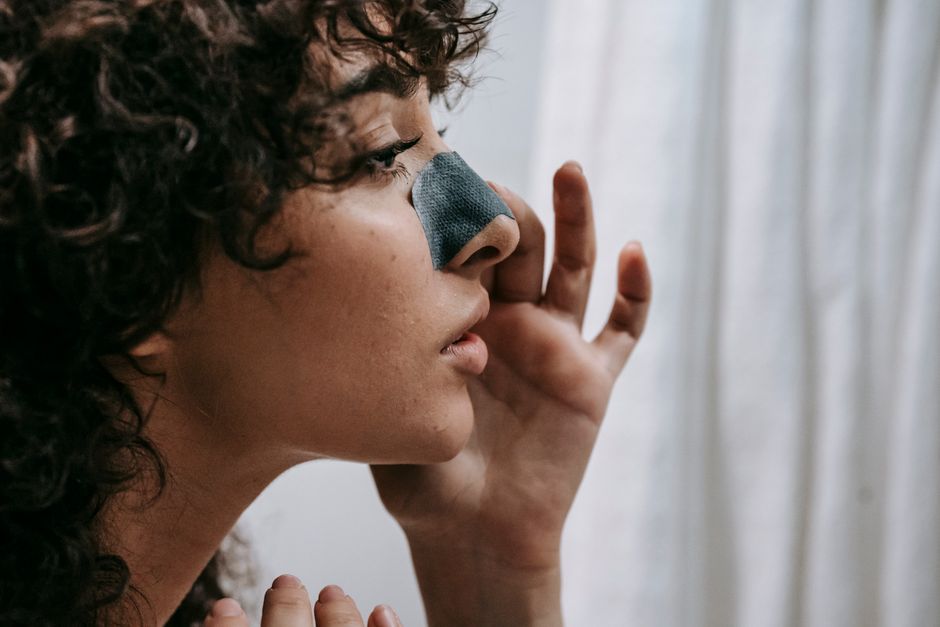
Pore strips remove the top of the plug, not the whole plug. The portion deep inside the pore remains, and the pore refills quickly. Many people see a dramatic result immediately, then wonder why blackheads return within days. They return because the underlying problem — excess oil and rapid cell shedding — was never addressed.
Manual extraction by a dermatologist or licensed esthetician can be useful for clearing existing blackheads. A professional uses a sterile tool called a comedo extractor and applies even pressure around the pore. This can clear pores faster than topical products alone.
Do not attempt deep extraction on yourself. Squeezing with fingers or improvised tools can push the plug deeper, rupture the pore wall, and cause inflammation. Inflamed pores can turn into red bumps or leave dark marks that take months to fade.
Daily Habits That Prevent Blackheads From Returning
Clearing existing blackheads is only half the work. Preventing new ones requires consistent daily habits.
- Cleanse twice daily with a gentle, non-comedogenic cleanser. Over-cleansing strips the skin and can trigger more oil production.
- Moisturize every day, even if your skin is oily. Dehydrated skin compensates by producing more oil, which feeds blackhead formation.
- Use non-comedogenic products labeled as such for makeup, sunscreen, and moisturizers. These are formulated to not block pores.
- Remove makeup before sleep. Leaving products on overnight increases the chance of pore blockage.
- Change pillowcases weekly. Oil and skin cells accumulate on fabric and transfer back to your face.
These habits do not work instantly. They work by maintaining an environment where pores are less likely to clog. Consistency matters more than intensity.
Does Diet Affect Blackheads?
The connection between diet and acne is real but not as simple as many online sources suggest. Research has examined dairy and high-glycemic foods most closely. Some studies indicate that skim milk and foods that spike blood sugar may be associated with more acne breakouts. The evidence is not strong enough to say these foods cause blackheads in every person.
If you notice your skin breaks out more after certain foods, trying a two-week elimination of that food is reasonable. Keep a simple log of what you eat and how your skin looks. If no change appears, that food is probably not a trigger for you.
There is no acne diet that works for everyone. A balanced diet with plenty of vegetables, whole grains, and water supports skin health generally, but it will not replace a topical routine.
When To See a Dermatologist
If you have used salicylic acid and a retinoid consistently for three months without improvement, a dermatologist can help. Prescription treatments are available that are stronger than anything over the counter.
See a dermatologist sooner if blackheads are widespread, inflamed, or leaving dark spots. Some skin conditions look similar to blackheads but require different treatment. Sebaceous filaments are one example. These are normal structures that appear as tiny, pale dots, often on the nose. They are not blackheads and do not need treatment, though topical retinoids can reduce their appearance.
A dermatologist can also determine if what you see is actually acne. Other conditions such as milia — tiny white cysts — can be mistaken for blackheads. Milia do not respond to salicylic acid and require professional removal.
Common Blackhead Myths That Waste Your Time
The internet is full of blackhead remedies that sound logical but do not work. Some can harm your skin.
Baking soda paste. Baking soda is highly alkaline and disrupts the skin’s natural acid barrier. It does not dissolve the oil plug and can cause irritation and dryness. No clinical evidence supports its use for blackheads.
Toothpaste. Toothpaste contains ingredients that dry the skin but also irritate it. It was never designed for facial use. It can cause redness, peeling, and contact dermatitis.
Lemon juice. Lemon juice is acidic and can burn or bleach the skin. It has no demonstrated benefit for blackheads and can make dark marks worse by increasing sun sensitivity.
Charcoal masks. Activated charcoal binds to some substances, but no strong evidence shows it removes blackheads better than standard cleansers. The peel-off action may remove surface plugs, but it can also strip the skin’s protective barrier and cause micro-tears.
How Long Until Blackheads Clear?
With consistent use of salicylic acid or a retinoid, most people see noticeable improvement within four to eight weeks. Full clearing can take three months or longer. Skin cell turnover slows with age, so older adults may need more time.
Blackheads are a chronic condition, not a one-time problem. The skin will continue to produce oil and shed cells. Maintenance is ongoing. When you stop using the products that keep pores clear, blackheads typically return within weeks.
That is not a failure of treatment. It is the nature of the condition. Managing blackheads is like managing any chronic skin issue — it requires a routine you can sustain.
Frequently Asked Questions
Can you squeeze blackheads out safely?
No. Squeezing can push the plug deeper and damage the pore wall, leading to inflammation and scarring. Professional extraction by a dermatologist is the only safe manual method.
Do pore strips actually remove blackheads?
They remove the top portion of the plug temporarily, but the pore refills quickly because the deeper blockage remains. They do not prevent new blackheads and can irritate sensitive skin.
How often should you exfoliate to clear blackheads?
Chemical exfoliation with salicylic acid once daily is the standard approach. Physical scrubs are not recommended because they irritate the skin and do not penetrate the pore.
Does sunscreen make blackheads worse?
Some sunscreens can clog pores, but many non-comedogenic options exist. Sun exposure thickens the skin’s outer layer, which can worsen blackheads, so daily sunscreen use is still recommended.
