
Chia seeds do not need to be soaked before eating for safety reasons, but soaking changes how your body handles them and how you experience them. You can eat them dry, soaked, or ground, and each form has different effects on digestion, texture, and nutrient absorption. The real question is not whether soaking is required, but which form best fits your needs and health goals.
What Happens When You Eat Dry Chia Seeds
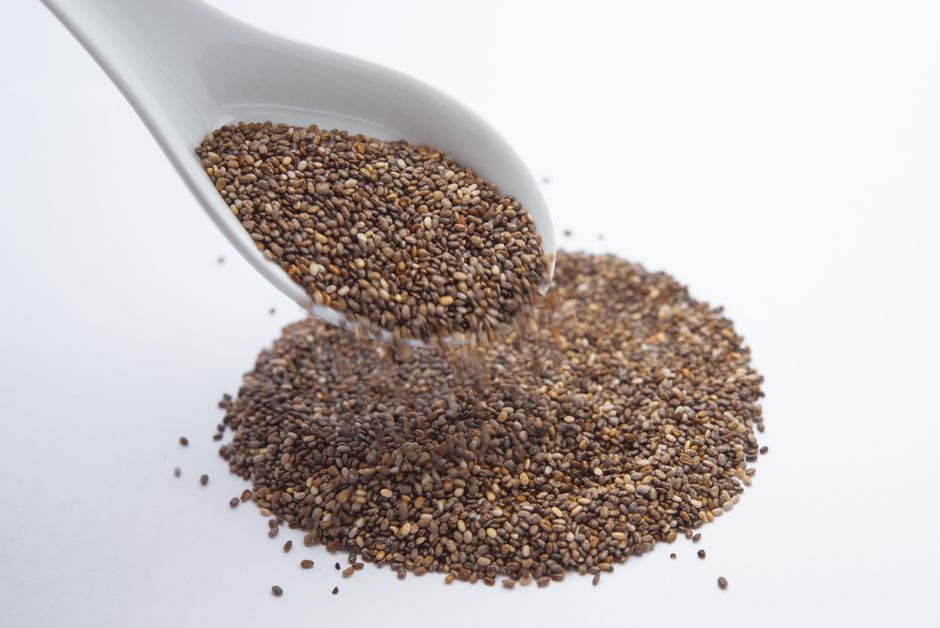
Dry chia seeds are safe to eat. They are tiny, hard, and have a mild nutty flavor. Many people add them to yogurt, salads, or smoothies without soaking them first.
The main concern with dry seeds is texture and swallowing. Because they are small and hard, they can get stuck between teeth or feel gritty. Some people find them unpleasant to eat dry. This is a comfort issue, not a safety issue.
There is one genuine risk with dry chia seeds: choking. If you eat a large spoonful of dry seeds and then drink water immediately, the seeds expand rapidly in your esophagus. Several case reports have documented esophageal blockages from exactly this scenario. The seeds absorb water and form a gel-like mass that can obstruct the throat.
This is why most health organizations advise caution with dry seeds, especially for children or anyone with swallowing difficulties. The solution is simple: either soak them first or mix them thoroughly into food that already has moisture.
What Soaking Actually Does to Chia Seeds
Soaking triggers a physical change. Chia seeds can absorb up to 10-12 times their weight in water. The outer layer forms a translucent gel. This gel is soluble fiber, specifically mucilage.
The gel changes how the seeds behave in your digestive tract. It slows stomach emptying, which means you feel full longer. It also slows the absorption of sugars from the meal, which can blunt blood sugar spikes after eating.
Soaked chia seeds also release more of their nutrients. Research published in the Journal of Food Science and Technology found that soaking chia seeds improves the bioavailability of certain minerals, particularly calcium and magnesium. The soaking process reduces phytic acid, a compound that can bind minerals and reduce their absorption.
Soaking does not destroy the omega-3 fatty acids in chia seeds. The fats are stable within the seed structure. However, grinding chia seeds before eating exposes those fats to oxygen, which can cause them to oxidize over time. Soaked whole seeds do not have this problem.
Do Soaked Chia Seeds Improve Digestion
For most people, soaked chia seeds are easier on the digestive system. The gel pre-softens the seeds, so your stomach does less mechanical work. This matters for people with sensitive stomachs or those who experience bloating after eating dry seeds.
Dry chia seeds can absorb water inside your digestive tract. If you do not drink enough fluids alongside them, this can contribute to constipation. Soaked seeds already contain that water, so they pass through the system more smoothly.
The fiber content is substantial. Two tablespoons of chia seeds contain about 10 grams of fiber, which is roughly one-third of the daily recommended intake for adults. That is a significant amount of fiber in a small serving. If you are not used to high-fiber foods, starting with soaked seeds and increasing your intake gradually is the safer approach.
Some people report that soaked chia seeds cause less bloating than dry ones. This is likely because the gel forms before the seeds enter the digestive tract, rather than forming inside the intestines where gas-producing bacteria break down the fiber.





How to Soak Chia Seeds Correctly
The basic ratio is simple: one part chia seeds to four parts liquid. This produces a pudding-like consistency. If you want a thinner mixture, use more liquid. If you want a thicker gel, use less.
Soaking time varies by temperature. Hot liquid works fastest, producing a gel in about 10-15 minutes. Cold liquid takes longer, typically 30 minutes to 2 hours. Overnight soaking in the refrigerator is the most common approach because it requires no attention and produces a consistent texture.
You can use water, milk, plant-based milk, or juice. The liquid matters for flavor, not for the gelling process. Any liquid works because the gel formation is a physical reaction between the seed’s mucilage and water molecules.
Stir the mixture a few times during the first few minutes of soaking. Chia seeds tend to clump together when they first hit liquid. A quick stir after 1-2 minutes prevents most clumping. After that, the seeds stay suspended in the gel.
There is no established maximum soaking time for safety. Seeds that soak for 24 hours are still safe to eat. They become softer and more gelatinous over time. The only concern is food safety if you leave them at room temperature for extended periods, so refrigerate any soak longer than 2 hours.
Ground Chia Seeds vs. Soaked Chia Seeds
Grinding chia seeds is a third option that many people overlook. Ground chia seeds do not gel the same way whole seeds do. The grinding process breaks the seed coat, which changes how the fiber behaves.
Grinding improves nutrient absorption more than soaking. The seed coat is tough and can pass through your digestive system partially intact. When you grind the seeds, your body can access the nutrients inside more easily. This is particularly relevant for omega-3 fatty acids and protein.
However, ground chia seeds lose their gelling ability. You cannot use ground chia as an egg substitute in baking the way you can with whole soaked seeds. The gel-forming property requires the intact seed coat.
Some research suggests that ground chia seeds provide a more significant blood sugar response benefit than whole seeds. The increased surface area allows the fiber to interact with digestive enzymes more effectively. But the evidence is not definitive, and both forms offer benefits.
If you choose ground chia seeds, buy them fresh or grind them yourself. Preground chia seeds have a shorter shelf life because the exposed oils can go rancid. Store ground seeds in an airtight container in the refrigerator.
Which Form Should You Choose
Your choice depends on how you plan to use them and your digestive tolerance.
Choose soaked chia seeds if you want a pudding texture, an egg substitute in baking, or a way to add moisture to recipes. This is also the best choice if you have a sensitive stomach or are new to high-fiber foods.
Choose dry whole seeds if you want them for texture in yogurt, salads, or smoothies. Make sure you drink enough fluids with them and swallow carefully. Do not eat a large dry spoonful and then immediately drink water.
Choose ground chia seeds if your primary goal is maximum nutrient absorption. Ground seeds are also easier to add to baked goods, sauces, or soups without changing the texture noticeably.
There is no health reason to avoid any of these forms. The evidence supports all three as safe and beneficial. The choice is about practical use and personal preference, not about one form being medically superior.
Are There Any Risks With Chia Seeds
Chia seeds are safe for most people, but there are a few genuine considerations.
Blood thinners and blood pressure medications require attention. Chia seeds are high in omega-3 fatty acids, which have a mild blood-thinning effect. If you take warfarin or other anticoagulants, discuss chia seed consumption with your doctor. The effect is modest, but it can interact with medication dosing.
Digestive issues can occur with rapid increases in fiber intake. If you suddenly start eating large amounts of chia seeds, you may experience bloating, gas, or abdominal discomfort. Start with one tablespoon per day and increase gradually over several weeks.
Allergic reactions are rare but documented. Chia seeds are not among the major food allergens, but some people do react to them. Symptoms can include hives, itching, or digestive distress. If you have a known seed allergy, talk to your doctor before trying chia seeds.
Pregnant and breastfeeding women can eat chia seeds as part of a normal diet. No specific safety concerns exist, but no specific clinical guidelines exist either. The general advice applies: eat them in normal food quantities and do not treat them as a supplement with therapeutic doses.
Frequently Asked Questions
Can you eat chia seeds without soaking them first?
Yes, dry chia seeds are safe to eat. The only real risk is choking if you eat a large dry spoonful and then drink water immediately, so mix dry seeds into moist food or drink fluids carefully.
How long do chia seeds need to soak?
Hot liquid gels chia seeds in about 10-15 minutes, while cold liquid takes 30 minutes to 2 hours. Overnight soaking in the refrigerator is the easiest method and produces consistent results.
Is it better to soak or grind chia seeds?
Grinding improves nutrient absorption more than soaking, but ground seeds lose their gelling ability. Soaking is better for texture, digestion, and use as a baking substitute.
Can soaking chia seeds reduce bloating?
Some people report less bloating with soaked seeds because the gel forms before entering the digestive tract. If you are new to high-fiber foods, start with small amounts of soaked seeds and increase gradually.
