
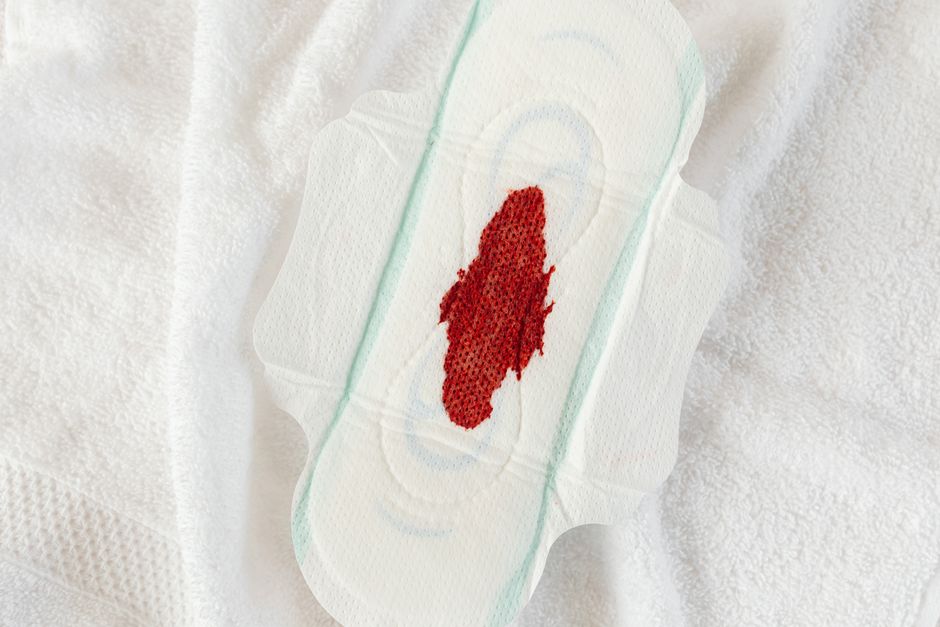
A miscarriage is a physically and emotionally heavy experience, and it is natural to want to do everything possible to help your body recover. The honest answer is that your uterus begins the process of cleaning itself immediately after a miscarriage through contractions and natural tissue shedding. You cannot “clean” your uterus with herbs, foods, or douches, and attempting to do so can be dangerous. The safest and most effective way to support your body is to allow the natural process to complete and to follow your doctor’s specific guidance for your situation.
What Actually Happens to Your Uterus After a Miscarriage?
Your uterus is a muscle. After a miscarriage, it contracts to expel the pregnancy tissue and the thickened lining that supported it. This is the same mechanism that occurs during a menstrual period, but it is often heavier and longer-lasting.
This process is called involution. The uterus shrinks back toward its pre-pregnancy size over several weeks. The bleeding you experience is the shedding of this tissue. It is not an infection, and it is not something you need to “wash out.” The body is doing the work on its own.
For most women, the heavy bleeding lasts a few days and then tapers to light spotting. The total bleeding time can range from a few days to two weeks. If the tissue does not fully pass on its own, a condition called retained products of conception can occur. This requires medical intervention, not home remedies.
How To Clean Your Uterus After A Miscarriage Naturally: The Safe Approach
The most accurate way to phrase this is that you cannot clean the uterus directly, but you can support its natural self-cleaning process. The focus should be on rest, hydration, and avoiding anything that could introduce bacteria into the cervix.
Here is what is actually safe and helpful during recovery:
- Rest. Your body is healing from a significant event. Light activity is fine, but heavy lifting and intense exercise can increase bleeding.
- Stay hydrated. Fluid loss from bleeding can be significant. Water and electrolyte-rich fluids help your body maintain blood volume.
- Use pads, not tampons. Tampons introduce a foreign object into the vagina and can increase the risk of infection while the cervix is still open. Pads are the safer choice until your doctor confirms the bleeding has stopped.
- Avoid sexual intercourse. Most doctors recommend waiting until bleeding has completely stopped and a follow-up exam confirms healing. This is to prevent infection.
- Eat iron-rich foods. Bleeding depletes iron stores. Foods like lean red meat, spinach, beans, and fortified cereals can help your body rebuild what it lost.
No food, tea, or supplement has been shown to speed up uterine emptying. Some herbs are traditionally used for this purpose, but none have clinical evidence supporting their safety or effectiveness after a miscarriage. Some can even cause uterine contractions that are stronger than needed, leading to increased pain and bleeding.
Why Herbs and Douches Are Not the Answer
There is a widespread belief on social media that certain herbs like raspberry leaf, parsley, or vitamin C can “clean” the uterus. This is not supported by medical evidence.
Herbs that stimulate uterine contractions can be dangerous after a miscarriage. If tissue is already partially passed, a strong contraction could cause heavy bleeding. If tissue remains firmly attached, herbs will not remove it. They only risk making the situation worse.
Vaginal douching is even more dangerous. Douching pushes fluid into the vagina and cervix. This can force bacteria into the uterus, leading to pelvic inflammatory disease. This is a serious infection that can cause scarring and affect future fertility. No medical organization recommends douching for any reason.
Some clinicians recommend medications like misoprostol to help the uterus contract and empty if tissue remains. This is a prescription medication used under medical supervision. It is not an herbal product. The distinction matters because the dose is controlled and the effect is monitored.





When Medical Intervention Is Necessary
Sometimes the uterus does not empty completely on its own. This is called retained products of conception. It happens in a significant number of miscarriages, and it is not your fault.
Signs that you may need medical help include:
- Heavy bleeding that soaks a pad in an hour or less
- Bleeding that lasts longer than two weeks without tapering
- Foul-smelling vaginal discharge
- Fever or chills
- Severe abdominal or pelvic pain
- Large clots passing for more than a day
If you experience any of these, contact your doctor immediately. Do not try to manage this at home.
Treatment options include medication to encourage uterine contractions or a minor surgical procedure called dilation and curettage (D&C). Both are effective. The choice depends on your specific situation, your doctor’s recommendation, and your preferences. A D&C is a common procedure and is generally safe. It removes any remaining tissue and allows the uterus to heal cleanly.
When Can You Try to Conceive Again?
This is one of the most common questions after a miscarriage. The traditional advice was to wait three to six months. Current evidence suggests that waiting is not necessary for medical reasons.
Research indicates that conceiving again before three months is not associated with a higher risk of another miscarriage. The main factor is whether your body has physically recovered. This means your bleeding has stopped, your cervix has closed, and your hormone levels have returned to baseline.
Your doctor will typically confirm this with a follow-up appointment and possibly an ultrasound. Waiting for one normal menstrual period is a common practical guideline. This helps with dating a future pregnancy and confirms your cycle is returning to normal.
Emotional readiness is just as important as physical readiness. There is no “right” time that works for everyone. Some women feel ready quickly. Others need months. Both are valid.
Emotional Recovery Is Part of Physical Healing
The emotional weight of a miscarriage is real. Your hormones are dropping rapidly after the pregnancy ends, which can intensify feelings of grief, sadness, and fatigue. This is a normal physiological response, not a sign of weakness.
Allow yourself time to process what happened. Talk to your partner, a close friend, or a counselor if that helps. Support groups, both in-person and online, connect you with others who understand this specific loss.
Your physical recovery and emotional recovery are linked. Stress does not directly affect uterine healing, but it affects your sleep, appetite, and energy. Taking care of your emotional health supports your overall recovery.
What to Expect at Your Follow-Up Appointment
Most doctors schedule a follow-up visit two to six weeks after a miscarriage. This visit is important. The doctor will check that your uterus has returned to its normal size and that no tissue remains.
This may involve an ultrasound. This is a painless procedure that shows whether the uterine lining is clear. If everything looks normal, you will likely be cleared to resume normal activities, including intercourse, and to try to conceive again if you wish.
If tissue remains, the doctor will discuss your options. This is not a failure on your part. It is a common complication that happens regardless of what you do or do not do.
Frequently Asked Questions
Can I use herbs to clean my uterus after a miscarriage?
No clinical evidence supports the use of herbs to empty the uterus after a miscarriage. Some herbs can cause strong contractions and lead to heavier bleeding, so they are not safe to use without medical supervision.
How long does it take for the uterus to clean itself?
Most women experience bleeding for a few days to two weeks after a miscarriage. The uterus returns to its normal size over the next several weeks.
Is it safe to use a menstrual cup or tampon after a miscarriage?
No. Tampons and menstrual cups should not be used while you are still bleeding after a miscarriage. They can introduce bacteria into the cervix and increase the risk of infection. Use pads until your doctor confirms the bleeding has stopped.
When can I have sex after a miscarriage?
Most doctors recommend waiting until the bleeding has completely stopped and a follow-up exam confirms your cervix has closed. This is usually one to two weeks but can be longer depending on your recovery.
