
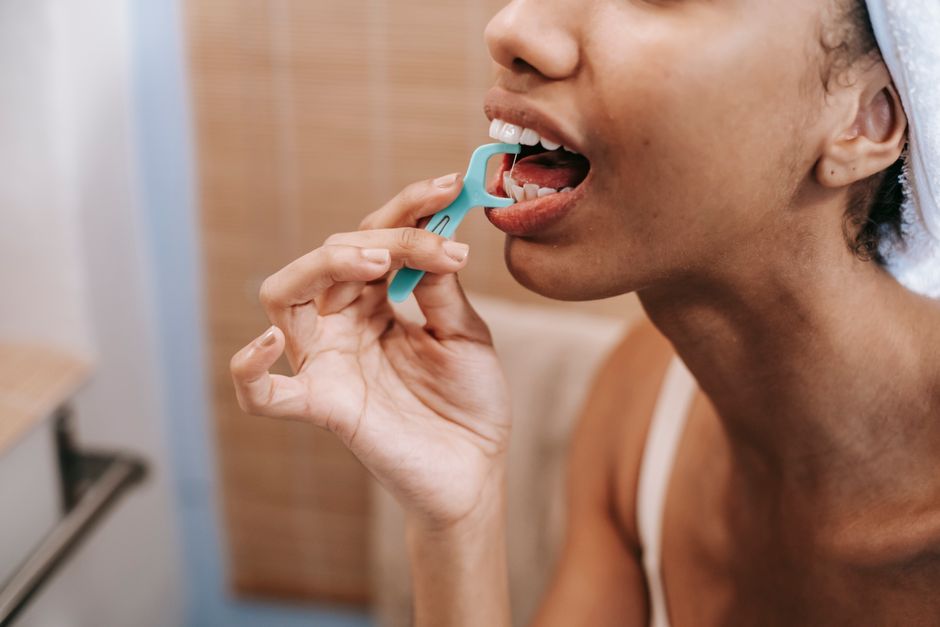
Brushing your teeth twice a day is not enough if you are doing it wrong. The correct way to clean your teeth involves a specific sequence of steps that most people skip or rush through. You need to brush for a full two minutes using a soft-bristled toothbrush at a 45-degree angle to your gums, floss before brushing to loosen debris, and finish with a fluoride mouthwash if you choose. This step-by-step method removes plaque effectively and reduces your risk of cavities and gum disease more than brushing alone ever will.
What Is the Correct Order for Cleaning Your Teeth?
Most people brush first and floss after. Research published in the Journal of Periodontology suggests that flossing first may be more effective. When you floss before brushing, you loosen food particles and plaque from between your teeth. The fluoride from your toothpaste can then reach those spaces more easily.
The American Dental Association (ADA) does not mandate a strict order. But the evidence leans toward floss first, then brush, then rinse. If you rinse with mouthwash immediately after brushing, you wash away the concentrated fluoride from your toothpaste. Wait at least 30 minutes after brushing to use mouthwash, or skip it entirely if your fluoride exposure is adequate from toothpaste alone.
Here is the order that most dental professionals recommend based on current evidence:
- Floss first to break up plaque between teeth
- Brush for two minutes with fluoride toothpaste
- Spit out excess toothpaste — do not rinse with water
- Wait 30 minutes before using mouthwash if you use it
This sequence keeps fluoride on your teeth longer, which strengthens enamel and prevents decay.
How To Clean Your Teeth Properly Step By Step
Start with flossing. Take about 18 inches of floss and wrap most of it around your middle fingers. Hold it tightly between your thumbs and index fingers. Gently slide it between your teeth in a C-shape against the side of each tooth. Move it up and down, not just in and out. Do not snap the floss into your gums — that causes bleeding and damage.
After flossing, move to brushing. Use a soft-bristled toothbrush. Hard bristles wear down enamel and irritate gums. Place the brush at a 45-degree angle to your gums. Use short back-and-forth strokes about the width of one tooth. Brush the outer surfaces, inner surfaces, and chewing surfaces of all teeth. Do not scrub hard — let the bristles do the work.
Brush your tongue gently or use a tongue scraper. Bacteria build up on the tongue and cause bad breath. The ADA states that cleaning your tongue reduces oral bacteria significantly. Finish by spitting out the toothpaste foam. Do not rinse your mouth with water after spitting. The remaining fluoride protects your teeth for hours.
If you use mouthwash, wait half an hour. Swish for 30 seconds and spit. Do not eat or drink anything for at least 30 minutes after using mouthwash to let the fluoride absorb fully.
What Does Research Say About Brushing Technique?
Studies consistently show that most people brush for 45 seconds on average, not the recommended two minutes. A 2019 study in the International Journal of Dental Hygiene found that people who used a timer brushed significantly longer and removed more plaque. Set a timer on your phone or use an electric toothbrush with a built-in timer.
The modified Bass technique is the most researched brushing method. It involves placing the toothbrush at a 45-degree angle toward the gumline and using small vibrating motions. Research published in the Journal of Clinical Periodontology found that this technique removes more plaque from the gumline than horizontal scrubbing.
Electric toothbrushes are not strictly necessary, but they do help. A Cochrane review of 56 studies found that powered toothbrushes reduce plaque by 11 percent and gingivitis by 6 percent more than manual brushing after three months. The key is using them correctly — let the brush do the moving and guide it along each tooth surface.
Pressure matters too. Brushing too hard damages enamel and causes gum recession. Some electric toothbrushes have pressure sensors that alert you when you are brushing too forcefully. If you use a manual brush, hold it with three fingers like a pencil — this naturally reduces pressure.



What Are Common Mistakes People Make When Cleaning Their Teeth?
Rinsing with water after brushing is the most common error. You spit out the fluoride you just applied. A 2020 survey by the Oral Health Foundation found that 62 percent of people rinse immediately after brushing. This habit directly reduces the cavity-preventing benefit of fluoride toothpaste.
Brushing immediately after eating is another mistake. Acidic foods and drinks soften enamel temporarily. Brushing right after can scrub away weakened enamel. The ADA recommends waiting at least 60 minutes after eating before brushing, especially after consuming citrus, soda, or wine.
Using a hard-bristled toothbrush is still common despite clear evidence against it. A study in the Journal of Periodontology found that hard bristles cause more gum recession than soft bristles over time. There is no advantage to hard bristles — soft bristles remove plaque just as effectively when used correctly.
Skipping the back of your teeth is a frequent oversight. The inner surfaces of your molars and the backs of your front teeth collect just as much plaque as the fronts. Angle your brush to reach these areas systematically. Many people miss the area behind their last molars entirely.
Does Mouthwash Actually Help or Is It Optional?
Mouthwash is optional, not essential. Fluoride toothpaste alone provides enough fluoride for most people. The ADA states that therapeutic mouthwashes containing fluoride or antibacterial agents like chlorhexidine can reduce plaque and gingivitis when used as an addition to brushing and flossing — not as a replacement.
Cosmetic mouthwashes simply mask bad breath. They do not kill bacteria or strengthen enamel. Read the label. If it says “cosmetic” or “breath freshening” without mentioning active ingredients like fluoride or cetylpyridinium chloride, it is not doing much for your oral health.
Chlorhexidine mouthwash is prescription-only in many countries and is used short-term for gum disease. Long-term use stains teeth and alters taste perception. Do not use chlorhexidine for more than two weeks without a dentist’s supervision.
Alcohol-based mouthwashes are controversial. Some research suggests they may be linked to oral cancer risk, but the evidence is not strong enough to make a definitive recommendation. If you are concerned, choose an alcohol-free mouthwash. The bottom line: if you brush and floss correctly, mouthwash adds minimal extra benefit.
How Often Should You Replace Your Toothbrush?
The ADA recommends replacing your toothbrush every three to four months, or sooner if the bristles are frayed. Worn bristles do not clean effectively. A study in the Journal of Dental Research found that toothbrushes older than three months remove significantly less plaque than new ones.
Replace your toothbrush after you have been sick. Bacteria and viruses can linger on the bristles. There is no strong evidence that this causes reinfection, but it is a simple precaution with no downside.
Electric toothbrush heads should be replaced on the same schedule. Many brands have indicator bristles that fade to remind you. Do not ignore these — a worn head cleans poorly regardless of the motor power.
Sharing toothbrushes is never recommended. It transfers bacteria and bloodborne pathogens. Each person in your household should have their own toothbrush stored separately. Do not store toothbrushes in closed containers where moisture promotes bacterial growth.
Comparison: Manual vs. Electric Toothbrush
| Feature | Manual Toothbrush | Electric Toothbrush |
|---|---|---|
| Cost | $1–$5 per brush | $20–$200 upfront, $5–$10 per replacement head |
| Plaque removal | Effective with proper technique | 11% more plaque reduction per Cochrane review |
| Built-in timer | Not available | Common feature — helps reach 2 minutes |
| Pressure sensor | Not available | Available on many models |
| Ease of use | Requires proper angle and motion | Guides user with oscillating motion |
| Travel convenience | Lightweight, no charging needed | Heavier, requires charging or batteries |
Both types work if used correctly. Electric toothbrushes offer features that help people brush properly, but they are not magic. A manual toothbrush used with the modified Bass technique for two minutes twice a day is just as effective as an electric brush used poorly.
What About Water Flossers and Interdental Brushes?
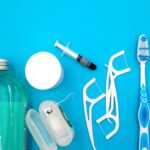
Water flossers are a valid alternative to string floss for people who struggle with manual dexterity. A 2019 study in the Journal of Clinical Dentistry found that water flossers reduced plaque and gingivitis more than string floss in people with braces. For most people, string floss remains the gold standard because it physically scrapes plaque off tooth surfaces.
Interdental brushes are small brushes that fit between teeth. They are more effective than floss for cleaning wide gaps. The British Dental Journal reports that interdental brushes remove more plaque than floss in spaces where they fit comfortably. Use the largest size that slides gently between your teeth without forcing.
Wooden toothpicks are not recommended for routine cleaning. They can splinter and damage gum tissue. They also do not clean below the gumline where plaque causes the most damage. Stick to floss or interdental brushes for between-teeth cleaning.
If you use a water flosser, aim the tip at the gumline at a 90-degree angle. Start with the lowest pressure setting and increase gradually. Use it before brushing for the same reason you floss first — it clears debris so fluoride can reach deeper.
Frequently Asked Questions
Should I rinse my mouth with water after brushing?
No. Rinsing washes away the concentrated fluoride from your toothpaste. Spit out excess foam but do not rinse.
How long should I actually brush my teeth?
Two minutes total, twice per day. Most people brush for less than 45 seconds without a timer.
Is it better to floss before or after brushing?
Floss before brushing. This loosens debris so the fluoride from toothpaste can reach between your teeth.
Can I use mouthwash instead of flossing?
No. Mouthwash does not physically remove plaque from between teeth. Flossing is necessary for cleaning those areas.
