
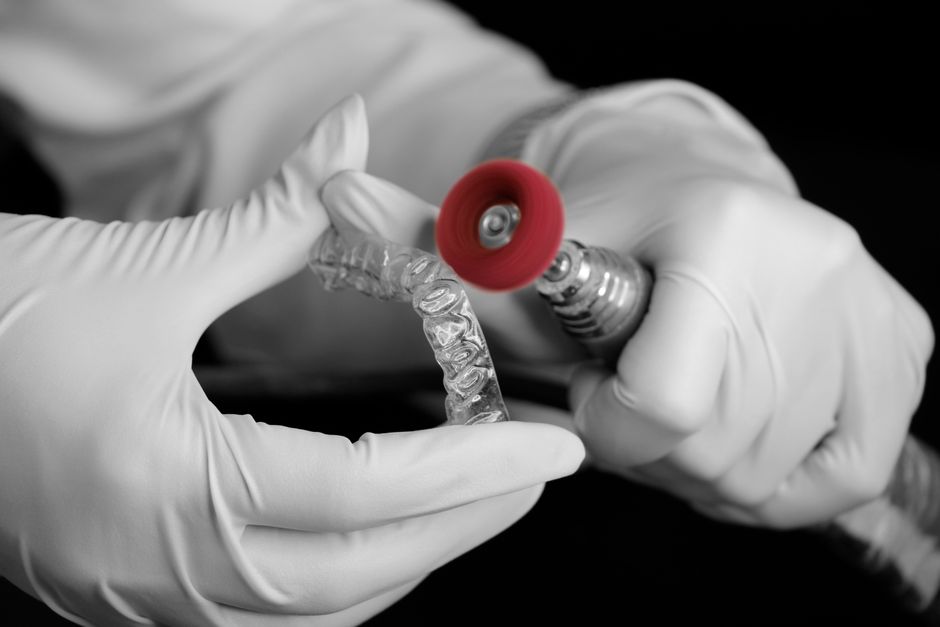
A permanent retainer is a thin wire bonded to the back of your front teeth, usually the lower ones. You clean it at home with a soft toothbrush, fluoride toothpaste, and something thin to get between the wire and the tooth — a interdental brush, floss threader, or water flosser. Cleaning it daily matters because plaque builds up fast around the wire, and that plaque is the main reason people get cavities and gum problems after orthodontic treatment.
What Is a Permanent Retainer and Why Does It Need Special Cleaning?
A permanent retainer (also called a fixed retainer or bonded retainer) is a metal wire glued to the back of your teeth with a small amount of dental bonding material. It holds your teeth in their new position after braces or clear aligners come off. Unlike a removable retainer you take out to eat and clean, this one stays in your mouth around the clock.
That permanence is exactly why it needs more attention than the rest of your teeth. The wire creates a small ledge where food and bacteria collect. The bonding material that holds the wire can also trap plaque along its edges. Because the wire sits close to the gumline, this is a spot where gum inflammation and decay can start quietly.
The teeth most protected by a permanent retainer — the lower front teeth — are also some of the most common sites for tartar buildup in adults. Adding a wire to that area raises the cleaning challenge. It does not make cavities inevitable. It just means the area needs deliberate, daily care rather than a quick pass with a toothbrush.
What Supplies Do You Actually Need?
You do not need special equipment. A few low-cost tools make the job much easier and more thorough.
- Soft-bristled toothbrush — a regular one works. Some people find a small-headed brush reaches around the wire more easily.
- Fluoride toothpaste — standard fluoride toothpaste is what the evidence supports for cavity prevention.
- Interdental brushes or floss threaders — these let you clean under the wire and between teeth, which a toothbrush cannot do alone.
- Water flosser — useful as an add-on, especially for people who find flossing around the wire frustrating.
- Mirror — a small handheld mirror helps you see what you are doing, at least until you get the routine down.
One clarification worth making: a water flosser is a helpful supplement, but it is not a proven replacement for cleaning physically between the teeth and under the wire. Some studies suggest water flossers reduce plaque and gum inflammation, but the evidence does not support swapping them in entirely for interdental cleaning. Use both if you can.
How To Clean Your Permanent Retainer At Home Step by Step
A consistent routine takes about two minutes and works best done twice a day, ideally after breakfast and before bed.
Step 1 — Brush the wire and the teeth behind it. Angle your toothbrush so the bristles reach both above and below the wire. Brush the back surface of each tooth the wire is attached to, and brush the wire itself. Plaque collects on the wire, not just the tooth.
Step 2 — Clean between the teeth and under the wire. This is the step most people skip, and it is the most important one. Use an interdental brush or a floss threader to pass floss under the wire and between each pair of teeth. Move it gently up and down against each tooth surface. If you use a water flosser, direct the stream along the gumline and under the wire.
Step 3 — Check the bonding material. Run your tongue or a clean finger along the wire. If you feel a loose end, a sharp edge, or a spot where the wire has come away from the tooth, that is a sign to call your orthodontist or dentist. A loose retainer can shift teeth and trap more debris.
Step 4 — Rinse and check. Rinse with water. Look in the mirror to confirm no food is caught around the wire. A quick visual check after meals helps too.
If you wear a removable retainer on your upper teeth as well, that one gets cleaned separately — usually by brushing it gently and soaking it in a retainer cleaning product or a mix your orthodontist recommends. Do not use hot water on plastic retainers, since heat can warp them.





Can You Use Mouthwash, Whitening Products, or a Toothpick?
Mouthwash can be part of your routine, but it does not replace brushing and interdental cleaning. It reaches surfaces but cannot physically remove plaque from under a wire. Choose a fluoride mouthwash if you use one, and follow the label.
Whitening toothpastes and whitening strips are a different story. Because a permanent retainer covers part of the tooth surface, whitening products can leave the covered area a different shade than the rest of the tooth. The result is uneven color. If you want to whiten, talk to your dentist first, and be aware that the wire and bonding material can complicate the outcome.
Toothpicks are not a good tool around a bonded wire. They can catch on the bonding material or push food further into the space. An interdental brush is designed for this job and is safer.
What About Plaque, Tartar, and Staining Around the Wire?
Plaque is soft and can be removed with brushing and interdental cleaning. Tartar (calculus) is plaque that has hardened onto the tooth and cannot be brushed away — it needs professional removal. If you see a hard, yellowish buildup along the gumline near the wire, that is tartar, and a dental cleaning is the way to address it.
Staining around a permanent retainer is common and usually cosmetic. Coffee, tea, and tobacco are frequent contributors. Regular cleaning limits how much stain accumulates, but some staining may still develop over time. Your dental hygienist can often polish it away during a routine cleaning.
Gum inflammation near the wire — redness, tenderness, or bleeding when you brush — is a signal that plaque is not being cleared well enough. It is usually reversible with better daily cleaning, but persistent bleeding should be checked by a dentist rather than ignored.
How Often Should You See a Dentist With a Permanent Retainer?
Routine dental checkups and cleanings remain important, and most dentists recommend them at regular intervals — commonly every six months, though your dentist may adjust that based on your gum health and cavity risk. A permanent retainer does not change the need for professional cleanings. In fact, it makes them more useful, because a hygienist can clean areas around the wire that are hard to reach at home.
Tell your hygienist you have a bonded retainer if they do not already know. They can use instruments that clean around the wire without damaging the bonding material. Do not let anyone — including yourself — pick at the bonding material with a sharp tool.
What Should You Do If the Wire Feels Loose or Breaks?
A loose or broken permanent retainer is a dental issue, not an emergency, but it should be addressed soon. Teeth can start to shift within days to weeks once the wire is no longer holding them, though the exact timing varies from person to person and no reliable timeline applies to everyone.
Call your orthodontist or dentist and describe what you feel. In the meantime, avoid tugging on the wire and keep the area clean. If a sharp end is poking your tongue or cheek, dental wax — available at most pharmacies — can cover it temporarily until you are seen. Do not try to re-glue or adjust the wire yourself. The bonding material and wire position need to be set correctly, and a home fix can damage the tooth surface or the retainer.
Frequently Asked Questions
Can I use regular floss with a permanent retainer?
Yes, but standard floss is hard to thread under the wire, so a floss threader or interdental brush makes it much easier. The key is getting floss physically under the wire and between each tooth.
How often should I clean my permanent retainer?
Clean around the wire at least twice a day, the same as you brush your teeth. Cleaning after meals when you can helps remove food before it settles around the wire.
Does a water flosser clean a permanent retainer well enough on its own?
No. A water flosser is a helpful add-on, but it is not a proven replacement for physically cleaning between teeth and under the wire with floss or an interdental brush.
Can a permanent retainer cause cavities?
The retainer itself does not cause cavities, but it traps plaque if not cleaned well, which raises cavity risk around the wire. Daily brushing and interdental cleaning are what keep that risk down.
