
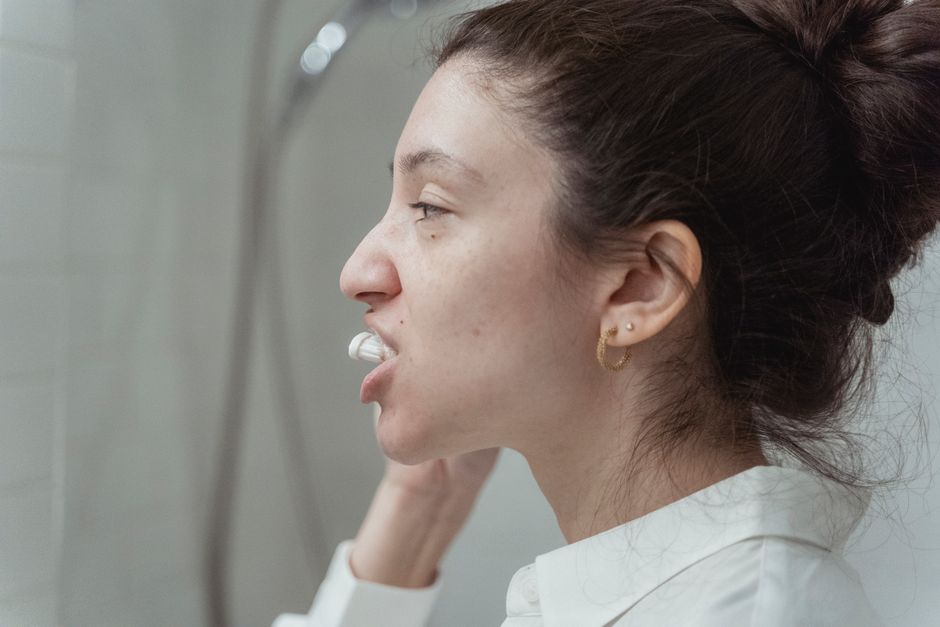
Cleaning your mouth guard is not complicated, but it is non-negotiable. A dirty mouth guard traps bacteria, saliva, and food particles against your teeth and gums all night long. The most effective daily routine is simple: rinse it with cool water immediately after removing it, brush it gently with a soft-bristled toothbrush and a mild, non-abrasive toothpaste or plain soap, and let it air dry completely before storing it in a vented case. This removes the biofilm that builds up and prevents the sour smell and slimy texture that develop when guards are neglected.
Why Does My Mouth Guard Get Dirty So Fast?
Your mouth is full of bacteria. Over 700 different species naturally live there. When you wear a mouth guard, you create a warm, dark, and moist environment. That is the ideal breeding ground for microbes.
Saliva carries proteins and sugars. These stick to the plastic surface of the guard. Food particles from your last meal get trapped underneath. Within hours, bacteria begin multiplying and forming a thin film called biofilm.
This is not just a cosmetic issue. A dirty guard can introduce harmful bacteria into your gums and teeth. Some research suggests this can increase your risk of gum inflammation and tooth decay. Regular cleaning is the only way to stop that cycle.
How To Clean Your Mouth Guard: The Daily Routine
The daily cleaning routine takes less than two minutes. Do this every single morning after you take your guard out.
Step 1: Rinse immediately. Hold the guard under cool or lukewarm running water. Never use hot water. Heat can warp the plastic and ruin the fit permanently. Rinse off the loose saliva and debris right away.
Step 2: Brush gently. Use a separate soft-bristled toothbrush that you do not use on your teeth. Apply a small amount of non-abrasive toothpaste or a mild liquid dish soap. Plain castile soap also works well. Gently brush all surfaces of the guard, inside and out. Pay attention to the grooves and crevices where plaque tends to hide.
Toothpaste choice matters. Many whitening toothpastes contain abrasives like silica. These can scratch the guard’s surface. Scratches give bacteria more places to hide and make the guard look cloudy over time. A plain toothpaste without whitening agents is safer.
Step 3: Rinse thoroughly. Make sure no soap or toothpaste residue remains. Residue can irritate your mouth or cause an unpleasant taste.
Step 4: Air dry completely. Shake off excess water and place the guard on a clean towel. Let it dry fully before putting it in its case. Moisture trapped in a closed case promotes bacterial and fungal growth. A completely dry guard is a cleaner guard.
What Is the Best Way To Deep Clean a Mouth Guard?
A daily rinse and brush handles surface buildup. But over time, minerals from saliva and stubborn stains can accumulate. A weekly deep clean keeps the guard fresh and prevents discoloration.
Denture tablets are the most reliable method. These effervescent tablets are designed to remove stains and kill bacteria on dental appliances. Dissolve one tablet in a glass of cool water according to the package instructions. Soak your guard for the recommended time, usually 10 to 15 minutes. Rinse thoroughly afterward.
Do not soak overnight. Prolonged exposure to any cleaning solution can degrade the plastic material over time.
White vinegar and water is a natural alternative. Mix one part white vinegar with three parts cool water. Soak the guard for 15 to 30 minutes. Vinegar is mildly acidic and helps dissolve mineral deposits and neutralize odors. Rinse very well afterward. Some people find the vinegar smell lingers, so a thorough rinse is essential.
Baking soda paste works for stubborn stains. Mix baking soda with a little water to form a paste. Apply it with a soft toothbrush and gently scrub. Baking soda is mildly abrasive, so use it sparingly. Once a week is enough.
Do not use mouthwash containing alcohol. Alcohol can dry out and crack the plastic. Do not use hydrogen peroxide in high concentrations. It can whiten the guard unevenly and may weaken the material with repeated use.




What Should You Never Use on Your Mouth Guard?
Some common household products can damage your guard or make it unsafe to wear.
- Hot or boiling water. This will warp the plastic. A warped guard will not fit and can cause jaw pain or shift your teeth.
- Abrasive toothpaste. Whitening and tartar-control formulas scratch the surface. Scratches harbor bacteria and create cloudy patches.
- Bleach or harsh chemical cleaners. These leave toxic residues that you will swallow. They also degrade the plastic.
- Dishwasher or washing machine. The heat and detergent will destroy the guard.
- Alcohol-based mouthwash. It can dry out and crack the material over time.
If your mouth guard develops a permanent white film, a rough texture, or a persistent odor that cleaning cannot remove, it is time for a replacement. Most custom guards last one to three years with proper care. Your dentist can tell you if yours needs replacing.
How Should You Store Your Mouth Guard?
Storage is half the battle. A guard that is cleaned but stored poorly will still grow bacteria.
Always store your guard in a vented case. Solid, airtight cases trap moisture. That trapped moisture creates a breeding ground for bacteria and fungi. Vented cases allow air to circulate and let the guard dry out between uses.
Keep the case clean too. Wash it weekly with mild soap and water. Rinse and dry it completely before putting your guard inside. Many people clean the guard but forget the case, then recontaminate the guard the next night.
Keep the case out of direct sunlight and away from heat sources. Prolonged heat exposure can warp the guard even when it is in the case.
How Often Should You Replace Your Mouth Guard?
No mouth guard lasts forever. Even with perfect cleaning, the material breaks down over time.
Over-the-counter boil-and-bite guards typically last a few months to a year. The plastic is softer and wears down faster. Custom-fitted guards from your dentist are made from more durable materials. They usually last two to three years, sometimes longer with excellent care.
Signs that you need a replacement include visible cracks, tears, or holes. A guard that has become loose or no longer fits snugly is also worn out. A persistent bad smell that survives deep cleaning means bacteria have penetrated the material.
Children and teenagers who wear mouth guards may need replacements more often. Their jaws are still growing, and the fit changes quickly. Check the fit every few months.
Does Cleaning Method Differ for Clear Aligners?
Clear aligners like Invisalign are not the same as mouth guards. They are designed to be worn 20 to 22 hours per day. They require more frequent cleaning because they are exposed to food and drink throughout the day.
The daily cleaning routine is similar: rinse and brush with a soft toothbrush and clear, mild soap. Avoid toothpaste whenever possible because it can make aligners look cloudy. Soak them in a denture-cleaning solution or a specialized aligner cleaner daily or every other day.
Never eat or drink anything other than water while wearing aligners. This rule exists to prevent staining and decay, not just to keep the aligners clean. Sugary drinks trapped against your teeth for hours dramatically increases cavity risk.
If you wear a retainer, the same cleaning principles apply. Retainers are often made from acrylic or wire. Acrylic can be more porous than mouth guard plastic, so thorough drying is especially important.
Frequently Asked Questions
Can I use regular toothpaste to clean my mouth guard?
Yes, but only a non-abrasive, non-whitening toothpaste. Whitening toothpastes contain gritty abrasives that scratch the guard surface, creating hiding spots for bacteria.
How often should I deep clean my mouth guard?
Once a week is sufficient for most people. Use a denture tablet soak or a vinegar and water solution, and rinse thoroughly afterward.
Can I soak my mouth guard in mouthwash overnight?
No. Alcohol-based mouthwash can dry out and crack the plastic, and overnight soaking can degrade the material. Stick to denture tablets or the vinegar solution for soaking.
Why does my mouth guard smell even after cleaning?
A persistent odor usually means bacteria have penetrated below the surface of the plastic. Deep cleaning may help, but if the smell survives a vinegar soak, the guard likely needs to be replaced.
