
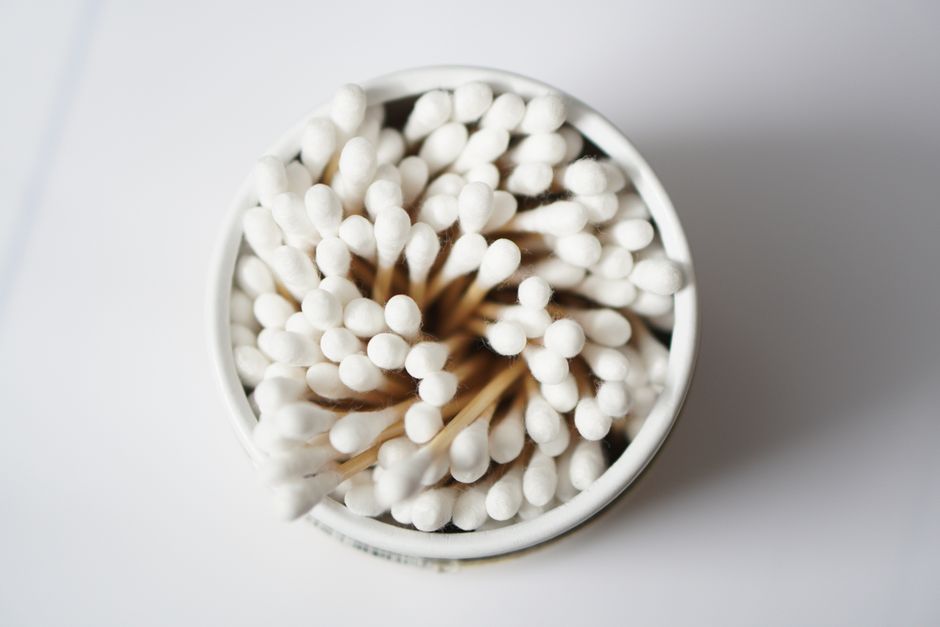
Earwax is normal and healthy. Most people never need to clean it out. Your ears are self-cleaning. If you have symptoms like muffled hearing or fullness, the safest approach is to soften the wax at home with a few drops of mineral oil or over-the-counter ear drops, then let gravity and jaw movement do the work. Never stick anything smaller than your elbow in your ear.
What is earwax and why do we have it?
Earwax is not dirt. It is a protective substance made by glands in your ear canal. Its official name is cerumen. It traps dust, debris, and small bugs. It also keeps the skin in your ear canal moist and healthy.
Without earwax, your ear canal would be dry and itchy. You would get more infections. The wax slowly moves outward as your skin cells grow and shed. Old wax eventually reaches the opening of your ear and falls out or washes away during a shower. This process takes time and you rarely notice it.
How To Clean Wax Out Of Ears Safely
The safest method is to let your ears clean themselves. If you feel you need to help things along, use a damp washcloth on the outer ear only. Wipe the area you can see. That is it.
For wax deeper in the canal that is causing symptoms, softening drops are the first-line option. Use mineral oil, baby oil, glycerin, or over-the-counter ear drops designed for wax removal. Tilt your head, put 2-3 drops in the ear, stay tilted for a few minutes, then let it drain onto a tissue. Do this once or twice a day for a few days. The wax often softens and comes out on its own.
If softening drops do not work, see a healthcare provider. They can use irrigation with warm water or a tool called a curette to remove the wax. This is safe when done by a trained professional.
What methods should you avoid completely
Cotton swabs are the most common cause of ear injuries. People use them to clean wax but usually push wax deeper into the ear canal. This causes impaction. The wax gets packed against the eardrum. It can also scratch the delicate skin of the ear canal, leading to infection.
Ear candling is dangerous and does not work. It involves placing a hollow candle in the ear and lighting it. Research shows it does not remove wax. It can cause burns, ear canal blockages from candle wax, and even eardrum perforation. The residue found inside the candle after use is not earwax — it is burned candle material.
Never use sharp objects like paper clips, bobby pins, or keys. The ear canal skin is thin and easily damaged. The eardrum is only about half an inch from the ear opening. One slip can cause permanent hearing loss.




Does ear irrigation work at home
Ear irrigation means rinsing the ear canal with water. Some people do this at home using bulb syringes or irrigation kits. It can work, but it has risks.
If you have a history of ear infections, a perforated eardrum, or ear surgery, do not irrigate. The water can push bacteria deeper or enter the middle ear. Use only body-temperature water. Cold water can cause dizziness or vertigo because it stimulates the balance system in your inner ear.
A safer approach is to have a healthcare provider do the irrigation. They can see inside your ear first to make sure your eardrum is intact. They also use controlled pressure and proper technique.
Can hydrogen peroxide remove earwax
Hydrogen peroxide is commonly used for earwax removal. It bubbles when it contacts organic material, which can help break up wax. Some people find it effective.
The concern is irritation. Hydrogen peroxide at full strength can dry out and irritate the sensitive skin of the ear canal. If you use it, dilute it with equal parts water. Use only a few drops. Do not use it more than a few days in a row. If it causes pain or itching, stop.
There is no strong evidence that hydrogen peroxide works better than plain mineral oil or over-the-counter drops. It is a reasonable option but not a superior one.
When earwax becomes a problem
Earwax only needs removal when it causes symptoms. These include muffled hearing, a feeling of fullness or pressure in the ear, ringing in the ear, or dizziness. Some people also notice ear pain or a cough triggered by earwax pressing on a nerve.
Certain people produce more wax or have narrower ear canals. Older adults often have drier wax that is harder to move. Hearing aid users frequently get wax buildup because the device blocks the natural migration of wax out of the ear.
If you have these symptoms, see a healthcare provider. Do not assume wax is the cause. Other conditions like fluid behind the eardrum or hearing loss from noise exposure can feel similar.
How often should you clean your ears
For most people, never. The ears clean themselves. Wiping the outer ear with a washcloth during a shower is enough. If you use hearing aids or earplugs regularly, you may need professional cleaning once or twice a year.
Overcleaning is a real problem. When you remove wax repeatedly, your glands produce more wax to compensate. This creates a cycle where you clean more and your ears produce more. Some people end up with chronic wax buildup because they clean too often.
If you are prone to wax impaction, talk to your doctor about a maintenance plan. They may recommend using softening drops once a week or having regular cleanings every few months.
What the evidence actually shows
Studies on earwax removal methods are limited. Most are small or poorly designed. The strongest evidence supports professional removal when symptoms are present. At-home softening drops are supported by tradition and clinical experience more than large trials.
A 2018 review of earwax treatments found that most studies were too small to draw firm conclusions. Cerumenolytic agents — the medical name for wax-softening drops — appear to help, but no single product is clearly best. Irrigation is effective when done correctly but carries a small risk of infection or eardrum injury.
The bottom line is that earwax is not an emergency. If you have symptoms, try softening drops for a few days. If that does not work, see a professional. If you have no symptoms, leave your ears alone.
Frequently Asked Questions
Can I use a cotton swab to clean my ears?
No. Cotton swabs push wax deeper and can damage your ear canal or eardrum. Use a damp washcloth on the outer ear only.
Is ear candling safe for earwax removal?
No. Ear candling does not remove wax and causes burns and injuries. There is no evidence it works.
How do I know if my earwax is impacted?
Signs include muffled hearing, ear fullness, pain, ringing, or dizziness. A healthcare provider can confirm by looking in your ear with an otoscope.
Can earwax cause hearing loss?
Yes, but it is temporary. Impacted wax blocks sound from reaching the eardrum. Removing the wax restores normal hearing in most cases.
