
Cleaning your ears during an infection requires a different approach than routine hygiene. The safest method is to avoid inserting anything into the ear canal and instead clean only the outer ear with a soft, damp cloth. If you have discharge, pain, or a suspected rupture, do not attempt to clean the canal yourself — see a doctor first.
Why You Should Not Use Cotton Swabs During an Infection
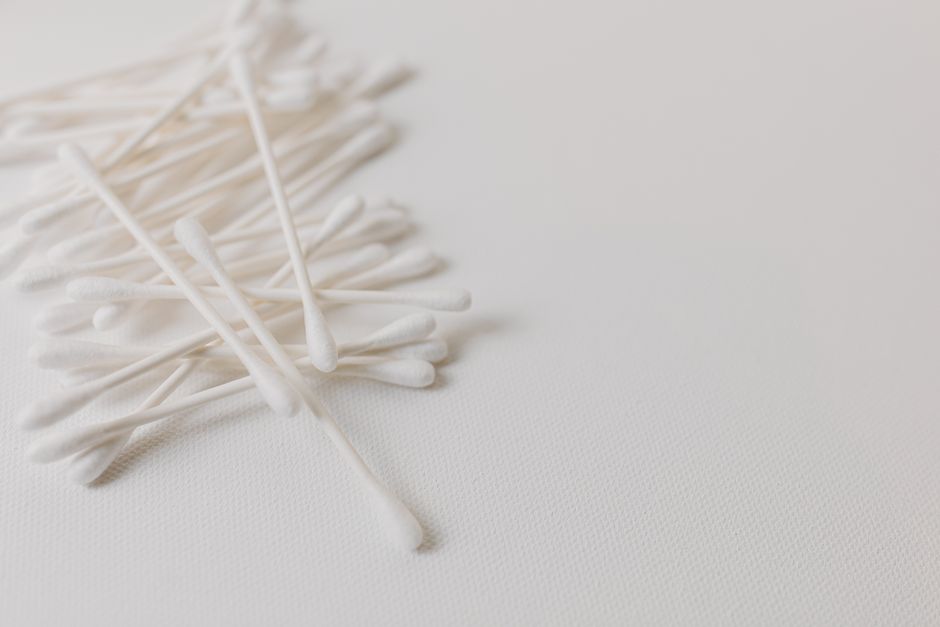
Cotton swabs are the most common cause of ear injuries. During an infection, the skin inside the ear canal is already inflamed and more fragile than usual. Pushing a swab in can make the infection worse.
A swab does not clean the ear canal. It pushes wax and debris deeper toward the eardrum. If you have an infection, this can trap bacteria or fungi against already irritated tissue. It can also cause a small cut, which gives germs a new place to grow.
In rare cases, a swab can puncture the eardrum. That requires medical treatment and can affect hearing. During an active infection, the eardrum may already be weakened, so the risk is higher.
How To Clean Ears With An Ear Infection Safely
Clean only what you can see. That means the outer ear, also called the pinna, and the opening of the ear canal. Do not go deeper than your fingertip.
Use a soft, clean washcloth dampened with warm water. Gently wipe the folds of the outer ear and the area around the ear opening. Pat the area dry with a separate clean towel. Do not rub.
If you have dried discharge crusted around the opening, you can soften it first. Hold the damp cloth against the area for a minute or two, then wipe gently away from the ear opening. Never wipe inward.
Do not use ear drops unless a doctor has prescribed them for your specific infection. Some over-the-counter drops can irritate an already infected ear. If the eardrum has a hole, certain drops can cause pain or damage the middle ear.
What To Do About Discharge and Drainage
Discharge from an infected ear is common. It may be clear, yellow, green, or bloody. The presence of discharge does not always mean the eardrum has ruptured, but it can.
If you see drainage, do not plug the ear with cotton. This traps moisture and bacteria inside. Instead, let the discharge drain naturally. Place a clean tissue loosely over the outer ear to catch it, and change the tissue often.
Keep the ear dry during showers. Use a shower cap or hold a clean cloth over the ear. Do not swim until the infection has fully cleared.
If the discharge is thick, foul-smelling, or accompanied by severe pain, fever, or dizziness, seek medical care promptly. These can be signs of a more serious infection.





When To See a Doctor Before Cleaning
Some situations require a doctor’s evaluation before you do anything. If you have severe ear pain, sudden hearing loss, or fluid draining from the ear, do not clean the canal yourself.
A doctor needs to see the eardrum to determine if it is intact. This requires a special instrument called an otoscope. You cannot safely check this yourself at home.
If you have diabetes, a weakened immune system, or a history of ear surgery, see a doctor for any ear infection. These conditions increase the risk of complications.
Ear infections that do not improve within 48 hours of home care also need medical attention. The same applies if you have repeated infections in the same ear.
What Doctors Actually Do To Clean an Infected Ear
In a medical office, a doctor may clean your ear canal using suction or special instruments. This is called aural toilet or ear canal debridement. It removes discharge, wax, and debris so that antibiotic drops can reach the infected tissue.
This procedure is done under direct visualization. The doctor can see what they are doing, which makes it far safer than any at-home attempt. They can also check the eardrum for perforation at the same time.
For some infections, doctors prescribe antibiotic ear drops. These work best when the ear canal is clear of debris. That is why cleaning is sometimes part of the treatment plan.
Do not attempt to replicate this at home with syringes, suction devices, or water picks. These tools can push infection deeper or damage the eardrum.
Ear Irrigation and Syringing: Why It Is Not for Everyone
Ear irrigation involves flushing the ear canal with water or saline. Some doctors use it to remove wax, but it is not appropriate for all infections.
If the eardrum is perforated, irrigation can force water into the middle ear. That can cause dizziness, nausea, and a new infection. It can also delay healing of the eardrum.
Some research suggests that irrigation is less effective than manual cleaning for infected ears. The evidence for its routine use in infection is limited. Most doctors reserve irrigation for wax removal in healthy ears, not for actively infected ones.
At-home irrigation kits carry the same risks. Without knowing the state of your eardrum, you cannot safely flush your own ear during an infection.
Home Care That Supports Healing
While you cannot safely deep-clean an infected ear at home, you can support recovery with simple measures.
Warm compresses placed over the outer ear can help with pain. Use a clean cloth soaked in warm water, wring it out, and hold it against the ear for 10 to 15 minutes. Repeat as needed.
Over-the-counter pain relievers like acetaminophen or ibuprofen can reduce discomfort. Follow the dosing instructions on the package. Do not give aspirin to children or teenagers.
Keep the ear dry. Moisture creates an environment where bacteria and fungi thrive. Dry your outer ear thoroughly after bathing.
Do not use ear candles. There is no evidence they remove wax or treat infections. They can cause burns, ear canal blockages, and even eardrum perforation.
How Long an Ear Infection Takes To Clear
Most outer ear infections, also called swimmer’s ear, improve within a few days of treatment. Full recovery usually takes one to two weeks. Middle ear infections may take longer, especially in adults.
If you are using prescription ear drops, use them exactly as directed. Finish the full course even if you feel better. Stopping early can allow the infection to return.
Pain often improves within 48 hours of starting treatment. If pain worsens or does not improve after two days, contact your doctor.
Hearing may feel muffled during and shortly after an infection. This usually resolves as swelling goes down and fluid drains. If hearing does not return to normal within a few weeks, seek follow-up care.
Preventing Future Ear Infections
Keep your ears dry after swimming or showering. Tilt your head to let water drain out, then dry the outer ear with a towel.
Do not insert anything into your ear canal. This includes cotton swabs, bobby pins, keys, and fingernails. The ear canal cleans itself through a natural migration of skin cells and wax.
If you use earbuds or hearing aids, clean them regularly. They can introduce bacteria into the ear canal.
Manage allergies and avoid smoking. Both can contribute to congestion that blocks the Eustachian tubes, which increases the risk of middle ear infections.
Frequently Asked Questions
Can I use hydrogen peroxide to clean an infected ear?
No. Hydrogen peroxide can irritate inflamed skin and may worsen an infection. If the eardrum is perforated, it can cause pain and damage the middle ear.
Is it safe to use ear drops for an ear infection?
Only if a doctor prescribed them for your specific infection. Over-the-counter drops are not formulated for infected ears and some can cause irritation.
How do I know if my eardrum is ruptured?
You cannot tell at home. Signs include sudden pain relief, discharge, hearing loss, or a popping sensation, but only a doctor can confirm with an otoscope.
Can I go swimming with an ear infection?
No. Swimming can introduce bacteria and moisture into the ear, making the infection worse. Wait until the infection has fully cleared and your doctor says it is safe.
