
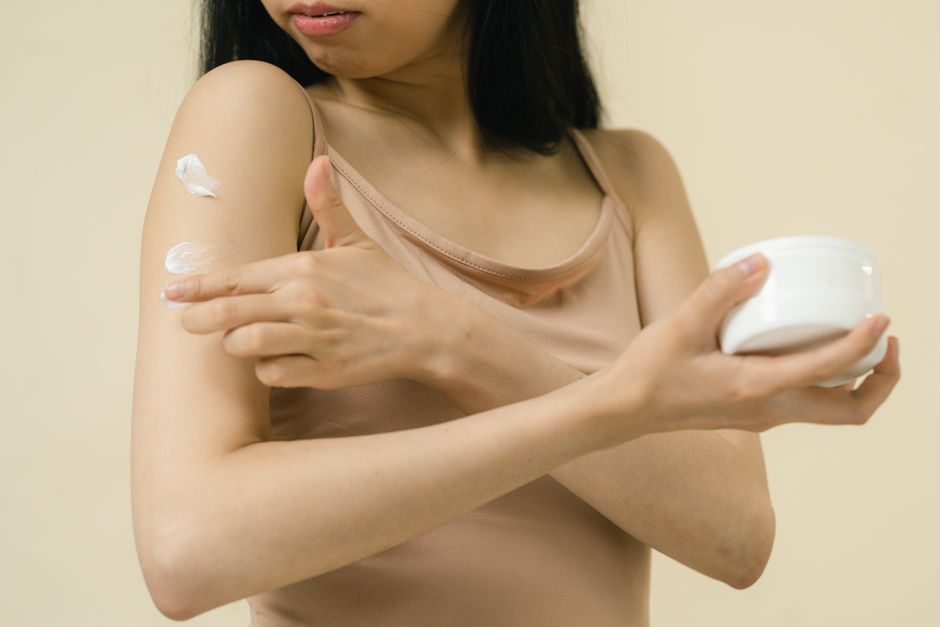
Applying antifungal cream correctly matters as much as choosing the right one. Most people smear it on, miss the affected area, or stop too soon. The result is a lingering infection that seems to resist treatment. The proper method involves cleaning the area, drying it completely, applying a thin layer to the affected skin only, and continuing for the full treatment duration even after symptoms fade. For vaginal yeast infections, creams come with an applicator that must be inserted to the correct depth. For skin infections, the cream goes on the rash and a small margin around it, not on healthy surrounding skin.
What Causes a Yeast Infection and Why Application Matters
Yeast infections come from an overgrowth of Candida, a fungus that normally lives on skin and in the body in small amounts. When the environment changes — warmer, moister, or after antibiotic use — Candida multiplies faster than the body can control it.
The infection lives in the top layers of skin or on mucous membranes. Antifungal creams work by disrupting the yeast cell membrane, which kills the fungus. But the cream only works where it touches. If you miss a patch of affected skin, the yeast survives there and recolonizes the treated area. This is why thorough application is not a minor detail.
Common sites include the vaginal area, under breasts, in skin folds, between toes, and in the groin. Each site has slightly different application rules.
How To Properly Apply Cream For A Yeast Infection on Skin
Start with clean, dry skin. Wash the area with a mild, fragrance-free soap and lukewarm water. Rinse completely. Pat the skin dry with a clean towel — do not rub. Rubbing irritates already inflamed skin and can spread the yeast to nearby areas.
Moisture is the enemy here. Yeast thrives in damp environments. If the area is in a skin fold, like under the breasts or in the groin, make sure it is completely dry before applying cream. Some clinicians recommend using a cool setting on a hair dryer for a few seconds to ensure the area is fully dry, though this is a practical tip rather than a formal guideline.
Squeeze a small amount of cream onto a clean fingertip or a cotton swab. Apply a thin layer over the affected area. Add a small margin of about half an inch beyond the visible rash. This catches yeast that may be present but not yet causing symptoms. Do not slather on a thick coat. A thin layer absorbs properly and does not leave a greasy residue that traps moisture.
Wash your hands immediately after application. This prevents spreading the fungus to other parts of your body or to other people.
For most skin infections, application once or twice daily is standard. Follow the instructions on the specific product you are using, as concentrations vary. Clotrimazole, miconazole, and terbinafine are common active ingredients, and each has its own dosing schedule.
How To Apply Vaginal Yeast Infection Cream
Vaginal yeast infection creams come with a prefilled applicator or a tube with a measured applicator. These products deliver medication directly into the vagina. The principle is the same — the cream must reach the infected tissue — but the technique differs.
Wash your hands first. Remove the applicator from its wrapper. If using a tube, fill the applicator to the marked line. Lie on your back with your knees bent and spread apart. Gently insert the applicator into the vagina as far as it will comfortably go — usually about one to two inches. Press the plunger to release the cream. Withdraw the applicator and discard it if it is disposable.
Most instructions recommend using the cream at bedtime. Lying down keeps the medication in contact with the vaginal walls longer. Some cream may leak out during the day, which is normal. Wearing a panty liner can protect your underwear.
External cream is a separate product for the vulva and the skin around the vaginal opening. If your treatment kit includes both internal and external cream, apply the external cream to the itchy, red areas on the outside only. Do not put external cream inside the vagina.





How Long To Keep Using the Cream
Finish the full course even if symptoms disappear. This is the most common mistake people make. Itching and discharge often improve within two to three days. The yeast may still be present in smaller numbers. Stopping early allows it to rebound, often with a strain that is harder to treat.
Typical treatment courses range from one to seven days depending on the product. Single-dose treatments exist but are generally less effective for moderate or severe infections. If you have recurrent infections, a longer course is usually recommended.
If symptoms do not improve after three days of treatment, or if they are not completely gone after the full course, see a doctor. The infection may be resistant to the medication, or the condition may not be a yeast infection at all. Bacterial vaginosis and some sexually transmitted infections produce similar symptoms.
Common Application Mistakes and How To Avoid Them
- Stopping early. Finish the entire treatment course as directed, not just until you feel better.
- Applying too much cream. A thick layer does not work faster. It just leaves residue that traps moisture and can worsen irritation.
- Applying to broken skin. If the skin is cracked or bleeding, check with a pharmacist or doctor before applying any cream. Some formulations sting on open skin.
- Using the wrong product for the site. Vaginal cream is not the same as skin cream. They have different concentrations and formulations. Do not swap them.
- Skipping hygiene steps. Applying cream over sweat, dirt, or old cream reduces effectiveness. Clean and dry the area before each application.
What To Do If the Cream Does Not Work
Not every red, itchy rash is a yeast infection. Eczema, contact dermatitis, psoriasis, and bacterial infections can look similar. If you applied the cream correctly for the full duration and symptoms persist, the diagnosis may be wrong.
See a healthcare provider for an evaluation. A simple skin scraping or swab can confirm whether yeast is present. If the infection is confirmed but not responding, a different antifungal class or an oral medication may be needed.
Recurrent yeast infections — four or more per year — warrant a medical workup. Underlying conditions like diabetes or immune suppression can make yeast harder to control. Do not assume that stronger or more frequent cream application will solve the problem.
When To See a Doctor Before Using Cream
Certain situations require medical advice before self-treatment. If you are pregnant, have never had a yeast infection diagnosed by a doctor, have fever, chills, or abdominal pain, or have discharge that is foul-smelling or bloody, do not self-treat. These symptoms may indicate a different condition that requires specific treatment.
Men can get yeast infections on the penis, usually appearing as red patches or spots on the glans. Over-the-counter antifungal creams are available for this use, but a doctor should confirm the diagnosis first because other conditions cause similar symptoms.
People with diabetes should monitor yeast infections closely. High blood sugar feeds yeast and makes infections harder to clear. If you have diabetes and a yeast infection is not improving with proper cream application, see your doctor.
Frequently Asked Questions
How long should I leave yeast infection cream on?
Leave the cream on until the next scheduled application or wash. Do not wash it off after a few hours unless the product instructions say to.
Can I apply yeast infection cream more than prescribed?
No. Using more cream or applying it more often does not speed up healing and can irritate the skin.
Should I apply cream inside and outside the vagina?
Only if your treatment kit includes separate internal and external products. Internal cream goes inside the vagina; external cream goes on the vulva only.
Can I use yeast infection cream while pregnant?
Some topical antifungals are considered safe during pregnancy, but you should get medical approval before using any treatment while pregnant.
