
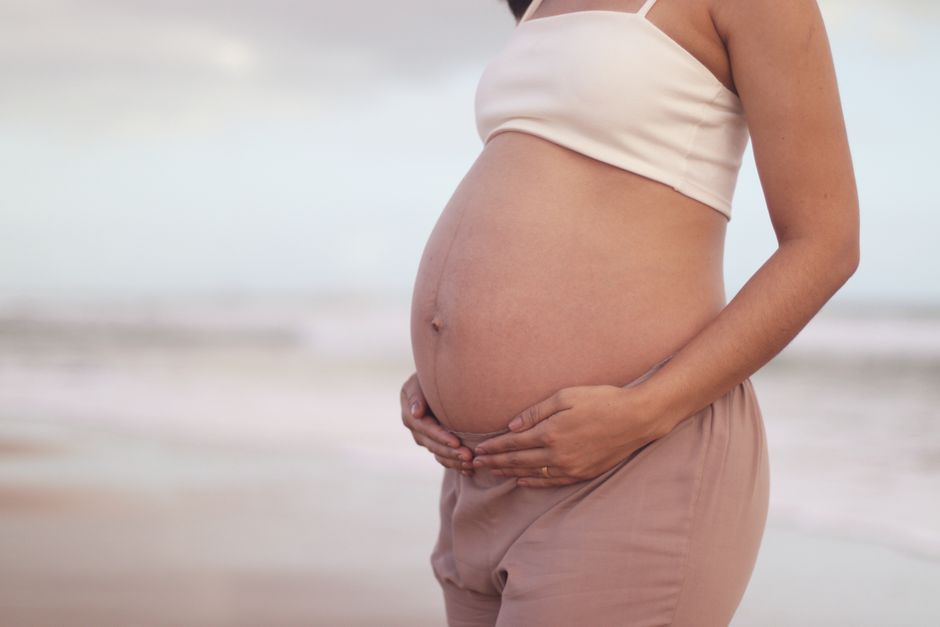
After your baby’s umbilical cord stump falls off, you do not need to do much to the belly button. Keep it clean and dry, and let air reach the area. Most of the time, plain water during a normal bath is enough. The stump usually separates on its own within the first one to three weeks of life. What is left behind is a small healing spot that needs gentle care, not vigorous scrubbing.
This article explains how to clean the belly button after the cord falls off, what normal healing looks like, and when something may need a doctor’s attention. It also covers the difference between a normal healing navel and two conditions that can look similar but need medical care.
How To Clean Babys Belly Button After Cord Falls Off
Once the stump is gone, the belly button is essentially a small healing wound. It does not need special cleansers, alcohol, or antibacterial ointments. In fact, using those can irritate the skin and delay healing.
Here is what to do:
- During a regular sponge bath or tub bath, gently wipe the area with plain warm water and a soft washcloth.
- If you use soap, choose a mild, fragrance-free baby soap. Rinse it off completely.
- Pat the area dry with a clean, soft towel. Do not rub.
- Let the belly button air-dry for a few minutes before putting on a diaper or onesie.
- Fold the front of the diaper down below the navel so it does not rub or trap moisture.
That is the whole routine. No special products are required. No cotton swabs need to go inside the belly button. No alcohol swabs, no hydrogen peroxide, and no antibiotic creams unless a doctor specifically tells you to use them.
Some parents wonder if they should clean more often than bath time. They should not. Over-cleaning can dry out the skin and cause irritation. Once a day during bath time is generally enough, and even less is fine if the area stays clean and dry.
What Does Normal Healing Look Like?
A healing belly button after cord separation typically looks a little different from a fully healed one. You may notice a small amount of clear or slightly blood-tinged fluid. This is common and usually harmless. The area may look pink or slightly raw for a few days.
What is normal:
- A small amount of clear or pink-tinged discharge
- Mild redness right at the navel
- A small scab or crust that falls off on its own
- The area looking slightly moist for a day or two
What is not normal and needs a doctor’s attention:
- Redness spreading onto the surrounding skin of the belly
- Warmth or swelling around the navel
- Foul-smelling discharge
- Bright red bleeding that does not stop
- A fleshy pink lump that does not go away
- Fever in the baby
- The baby seems fussy or unwell
These signs could point to an infection or another issue that needs medical evaluation. Do not wait to see if it improves on its own.
Should You Use Alcohol Or Other Products On The Belly Button?
No. For decades, parents were told to swab the cord stump and the healing navel with rubbing alcohol. That advice has changed. Research has shown that letting the area heal naturally, without alcohol, leads to faster cord separation and less irritation in many cases.
Some clinicians still recommend alcohol in certain situations, such as in a hospital setting or for babies with specific risk factors. But for routine home care, plain water and keeping the area dry is the standard approach.
The same goes for hydrogen peroxide, iodine, and antibiotic ointments. These can irritate the delicate skin and are not needed for normal healing. If a doctor prescribes an antibiotic cream for a specific reason, follow those instructions. Otherwise, skip them.



How Long Does The Belly Button Take To Heal?
The cord stump usually falls off within one to three weeks after birth. After it falls off, the belly button typically heals completely within another one to two weeks. During that time, you may see a small amount of crusting or clear fluid.
If the area is still oozing, red, or not healing after a few weeks, call your pediatrician. A healing belly button that stays moist or keeps producing discharge may need to be checked. It could be a sign of a granuloma or a minor infection.
It is also worth knowing that some babies have a slightly “outie” belly button that takes longer to fully settle. This is usually cosmetic and not a sign of a problem. However, if the belly button bulges out significantly when the baby cries or strains, that could be an umbilical hernia. Most umbilical hernias close on their own by age one, but a doctor should evaluate any noticeable bulge.
Umbilical Granuloma: When The Belly Button Stays Moist
Sometimes after the cord falls off, a small piece of pink, fleshy tissue remains at the belly button. This is called an umbilical granuloma. It is not an infection. It is a small overgrowth of tissue that can keep the area moist and produce a little clear or yellow discharge.
Granulomas are common and generally harmless, but they usually do not go away on their own. A doctor can treat them quickly, often with a simple application of silver nitrate in the office. Do not try to treat a granuloma at home. Do not use alcohol, salt, or any other home remedy on it.
If you notice a persistent pink lump at the belly button that does not dry up, mention it to your pediatrician. It is a minor issue that is easily resolved.
What About Bathing Before And After The Cord Falls Off?
Before the cord stump falls off, sponge baths are generally recommended. This keeps the stump dry and helps it separate naturally. Once the stump is gone and the belly button looks like it is healing, you can give regular tub baths.
Some pediatricians say it is fine to tub-bathe before the cord falls off, as long as you dry the area well afterward. The evidence on this is mixed. If you are unsure, ask your baby’s doctor what they recommend.
After tub baths, always pat the belly button dry. Moisture trapped in the folds of the navel can slow healing and create a warm, damp environment where bacteria can grow. A quick pat with a soft towel and a minute of air exposure is enough.
When To Call The Doctor
Call your pediatrician if you notice any of the following:
- Redness or swelling that spreads beyond the belly button
- Pus or foul-smelling discharge
- Bleeding that does not stop with gentle pressure
- A fleshy lump that does not go away
- The baby has a fever
- The baby is unusually sleepy, fussy, or not feeding well
These signs could indicate an infection or another condition that needs treatment. Trust your instincts. If something looks wrong to you, it is always reasonable to call.
In most cases, though, a healing belly button after cord separation is uneventful. Keep it clean, keep it dry, and let time do the rest. The less you interfere, the better it usually heals.
Frequently Asked Questions
How do I clean my baby’s belly button after the cord falls off?
Gently wipe the area with plain warm water during bath time and pat it dry. Do not use alcohol, hydrogen peroxide, or antibiotic ointments unless your doctor tells you to.
What does a healing belly button look like after the cord falls off?
It may look pink, slightly moist, or have a small scab or clear discharge for a few days. Redness that spreads, foul-smelling discharge, or a fleshy lump are not normal and should be checked by a doctor.
How long does it take for the belly button to heal after the cord falls off?
The belly button usually heals completely within one to two weeks after the cord stump separates. If it is still oozing or red after a few weeks, call your pediatrician.
Can I give my baby a tub bath after the cord falls off?
Yes, once the cord stump is gone and the belly button looks like it is healing, tub baths are generally fine. Just pat the area dry afterward and let it air out before putting on a diaper.
