
Why the Provider Matters More Than the Aligners
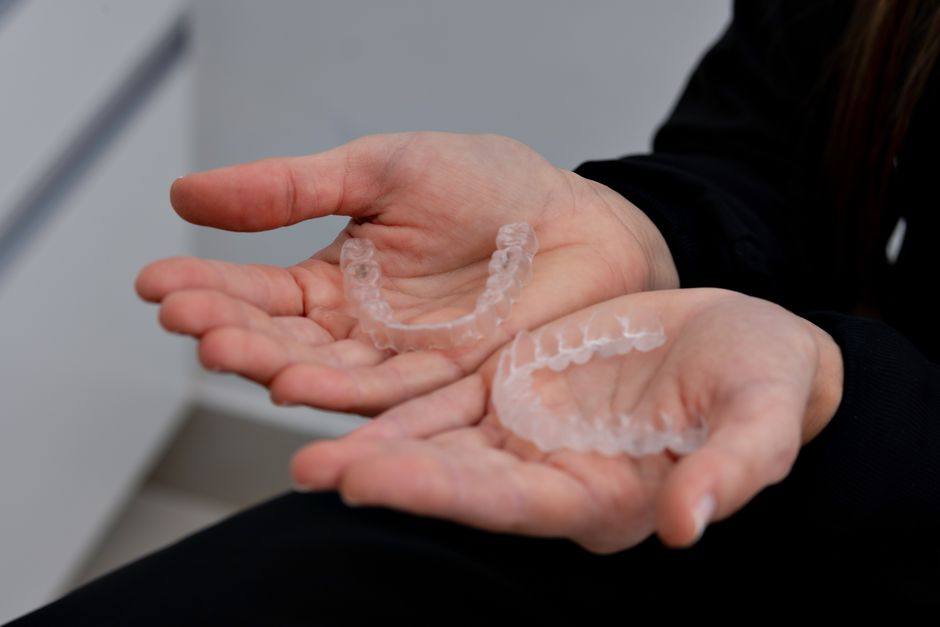
Invisalign aligners are a product made by one company. The provider is the person who plans your treatment, designs the tooth movements, and oversees your progress. The same set of aligners can produce excellent results in one pair of hands and poor results in another.
Orthodontic treatment is a medical procedure. It moves living teeth through bone, and it changes your bite. A provider must understand root positions, bone support, and how teeth respond to different forces. This is clinical judgment, not software output. The Invisalign software suggests a plan, but an experienced provider knows when to modify it and when to reject it.
Dentists and orthodontists can both provide Invisalign. Orthodontists complete two to three extra years of full-time training in tooth movement after dental school. That training focuses exclusively on how teeth move safely and predictably. A general dentist can also become highly skilled with Invisalign, but you must verify their experience rather than assume it.
Check the Provider’s Credentials and Experience
Start by confirming the provider is licensed to practice dentistry in your state. Then ask about their Invisalign-specific experience. Invisalign has its own provider tiers, including Bronze, Silver, Gold, Platinum, and Diamond levels. These tiers reflect the number of cases a provider has treated.
A Diamond or Platinum provider has treated hundreds or thousands of cases. That volume matters. High-volume providers have seen more complications, more unusual tooth movements, and more stubborn teeth that refuse to track. They know how to fix problems before they become serious.
Ask how many Invisalign cases the provider completes per month. A provider doing two cases a year has far less current experience than one doing ten per month. Experience is not just about total numbers. It is about recent, ongoing practice.
Also ask whether the provider has completed advanced Invisalign training beyond the basic certification. Some providers pursue additional courses in complex tooth movement, which matters if your case involves significant rotation, bite correction, or extraction spaces.
Look for a Provider Who Does a Full Exam
A responsible provider will not quote you a price or a timeline before examining your teeth. The exam should include X-rays, photographs, and a bite analysis. X-rays are essential because they reveal root health, bone levels, and impacted teeth that are invisible to the naked eye.
Skip any provider who offers a price without a clinical exam. This is a red flag. Invisalign is not a one-size-fits-all product. Your treatment plan depends on your specific bite, tooth positions, and bone structure.
During the exam, the provider should discuss whether you are a good candidate for Invisalign at all. Some cases are better treated with traditional braces. A straight-tooth result is not the same as a healthy bite. A thorough provider cares about both.
Beware of direct-to-consumer aligner companies. These services send you a mail-in impression kit and a remote treatment plan. No X-rays are taken. No clinician examines your mouth in person. Studies have raised concerns about remote-only orthodontic treatment, particularly regarding root damage and bite problems that go undetected. If you want Invisalign, see a real provider in person.





Ask About the Treatment Plan and Timeline
During your consultation, the provider should explain how your teeth will move and why. They should show you a digital treatment preview. This is a computer simulation of your expected result. It is a planning tool, not a guarantee.
Ask how long your treatment will take. Most Invisalign cases take 12 to 18 months. Simple cases can finish in 6 months. Complex cases can take 2 years or more. Be suspicious of promises that sound too fast. Moving teeth too quickly can damage roots.
Also ask about attachments and elastic bands. Attachments are small tooth-colored bumps bonded to your teeth. They give the aligners something to grip so teeth move in the intended direction. Elastics are small rubber bands that correct bite alignment. If your provider says you will not need either, ask why. Most moderate to complex cases require at least one of these.
Ask what happens if your teeth do not track as planned. Invisalign treatment sometimes stalls. Teeth stop moving according to the plan. A good provider will re-scan your teeth and order new aligners. Ask whether this is included in your fee or costs extra. This is a common point of confusion and unexpected expense.
Compare Costs and What Is Included
Invisalign treatment in the United States typically costs between $3,000 and $8,000. The final price depends on case complexity, geographic location, and provider experience. This range is a general guide, not a fixed quote.
Ask for a written breakdown of what the fee includes. Some providers quote a lower base price but charge extra for retainers, refinements, or emergency visits. A complete quote should include:
- All aligners for your treatment
- Any refinement aligners needed after the initial set
- All attachments and elastic bands
- Retainers after treatment ends
- All office visits during treatment
- Emergency care if something breaks
Retainers are non-negotiable after Invisalign. Without them, your teeth will shift back toward their original positions. This is called relapse. Teeth have memory, and the surrounding bone and gum tissue need time to stabilize. Most providers include one set of retainers in the fee. Ask what replacement retainers cost, because you will need them for years.
Review Before-and-After Photos of Similar Cases
Ask to see before-and-after photos of the provider’s actual patients. Any experienced provider has these. Look for cases that resemble yours. If you have a gap between front teeth, look for that. If you have a deep bite, find that.
Ask about the patient’s bite in the after photos, not just the straightness of the front teeth. A beautiful smile with a misaligned bite is a poor result. The back teeth should fit together properly. The midline should be reasonably centered. These details matter for long-term dental health.
Also ask how long ago those cases finished. A photo from five years ago shows the provider can finish a case. It does not show whether the result held. Ask about long-term stability and what the provider does to prevent relapse.
Trust Your Comfort Level With the Provider
You will see this provider every 6 to 10 weeks for a year or more. You need to communicate openly with them. If you feel rushed, dismissed, or pressured, that is a warning sign.
A good provider answers questions clearly without making you feel foolish. They explain treatment options honestly, including when Invisalign is not the best choice. They do not pressure you to start treatment immediately.
Ask how appointments are handled. Will you see the same provider each time, or a rotating team of hygienists and assistants? Some practices have the doctor do the initial exam but hand off ongoing care to staff. That arrangement can work, but you should know it upfront.
Also ask about after-hours emergencies. Aligners break. Attachments fall off. A provider who offers a clear path for urgent issues is more reliable than one who leaves you guessing.
How To Choose The Right Invisalign Provider
The process comes down to verifying credentials, confirming experience, and understanding what you are paying for. Do not choose based on a discount or a fast timeline alone. The cheapest provider is rarely the best value when you consider the long-term health of your teeth.
Schedule consultations with at least two or three providers. Compare their recommendations, their fees, and your comfort level with each. A second opinion often reveals differences in treatment philosophy. One provider may recommend extracting teeth while another plans to expand the arch. Both approaches can be valid. The right one depends on your specific anatomy and goals.
Ask each provider to explain why they chose their approach. A confident provider can explain their reasoning in plain language. A provider who cannot explain their plan clearly may not understand it fully themselves.
Your teeth will move for a year or more. The result will stay with you for the rest of your life. The extra time spent choosing the right provider is a small investment compared to the cost of correcting a poor outcome.
Frequently Asked Questions
Is an orthodontist better than a general dentist for Invisalign?
Orthodontists have two to three extra years of specialized training in tooth movement, which gives them a deeper foundation for complex cases. A general dentist can still be an excellent Invisalign provider, but you should verify their case volume and experience before committing.
How much does Invisalign cost with a good provider?
Invisalign typically costs between $3,000 and $8,000 depending on case complexity and your location. Ask for a written breakdown of what the fee includes so you are not surprised by extra charges for retainers or refinements.
What is a Diamond or Platinum Invisalign provider?
These are Invisalign’s provider tiers based on the number of cases treated. A Diamond or Platinum provider has completed hundreds or thousands of cases and has more experience handling complex tooth movements and complications.
Can I get Invisalign without visiting a provider in person?
Remote-only aligner companies do not take X-rays or examine your mouth, which raises risks for undetected bite and root problems. Invisalign treatment should involve an in-person exam and ongoing supervision from a licensed provider.
