
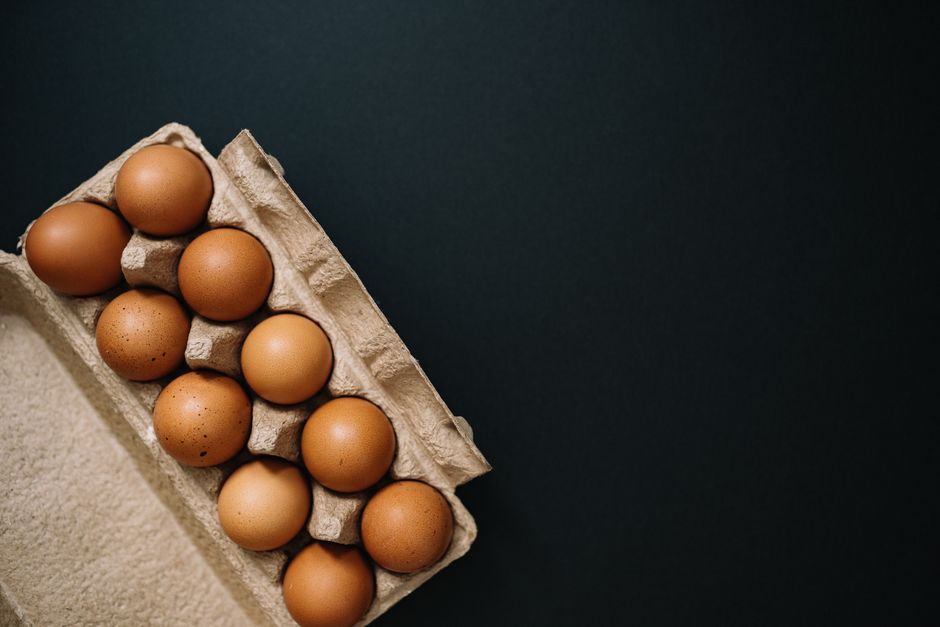
You crack an egg into the pan and the smell hits you. That sulfur stench is unmistakable, and now your breakfast is ruined. The good news is you can check for a rotten egg before you ever crack it open. The float test is the most reliable home method: place the egg in a bowl of cold water. If it sinks and lies flat on its side, it is fresh. If it stands upright on the bottom, it is older but still safe to eat. If it floats to the surface, it is spoiled and should be thrown away. This test works because air builds up inside the egg as it ages, making it more buoyant.
Why Do Eggs Go Bad?
Eggs are not sterile inside, but they start with very little bacteria. The shell has thousands of tiny pores, and a protective coating called the bloom seals them. When an egg is washed, that bloom is removed. That is why commercial eggs in the US are refrigerated while eggs in many other countries sit on shelves.
Over time, moisture and carbon dioxide escape through the pores. The contents shrink, and the air cell at the wide end grows larger. Bacteria can also enter through the pores, especially if the shell is cracked or the bloom is damaged. As bacteria multiply, they break down proteins and produce hydrogen sulfide gas. That gas is what makes rotten eggs smell so bad.
Temperature matters. Eggs stored in the refrigerator stay fresh longer because cold slows bacterial growth. An egg left on the counter for a day ages as much as a refrigerated egg ages in a week. This is why the float test works — the air cell grows faster in warm conditions, and a floating egg has a very large air cell.
How To Check For Rotten Eggs Before You Crack One
The float test is simple and accurate for identifying spoiled eggs. Fill a bowl with cold water deep enough to fully submerge the egg. Gently place the egg in the water and watch what it does.
- Sinks and lies flat: Fresh egg. Safe to eat.
- Sinks but stands upright: Older egg, but still safe. Use it soon and cook it thoroughly.
- Floats: Rotten. Throw it away without cracking it.
Be careful when throwing away a floating egg. Cracking it open releases the smell and can spread bacteria. Put it in the trash without breaking the shell, or wrap it in a paper towel first.
The float test is not perfect. A very old egg can still sink if the air cell did not grow as expected. And an egg that is infected with certain bacteria may float before it smells bad. But for home use, the float test catches the vast majority of spoiled eggs.
Does The Sniff Test Work?
The sniff test is the backup method. Crack the egg into a clean bowl, not directly into your pan. If you crack it straight into hot oil and it is bad, you ruin the whole dish. Use a separate bowl every time.
A fresh egg has almost no smell. An older egg may have a mild odor that disappears when cooked. A rotten egg smells strongly of sulfur — like sewage or flatulence. If you get even a hint of that smell, throw the egg away and wash the bowl with hot soapy water.
Some people recommend checking the egg white and yolk visually. A fresh egg has a thick, cloudy white and a firm, round yolk. An older egg has a thinner, more watery white and a flatter yolk. These changes are normal with age and do not mean the egg is unsafe. Only the smell and the float test tell you if it is rotten.
Do not rely on the sell-by date alone. Eggs can be safe for weeks past that date if stored properly. The date is about quality, not safety. The float test and the sniff test are more reliable than any printed date.





Can You Eat Eggs Past The Expiration Date?
Yes, in most cases. The expiration date on an egg carton is a quality marker, not a safety deadline. The USDA states that eggs can be refrigerated for three to five weeks from the purchase date. Many eggs remain safe to eat after that, as long as they pass the float test and smell fine.
Eggs do not suddenly become dangerous on a specific date. Spoilage is gradual. The bacteria that cause food poisoning, particularly Salmonella, are not detectable by smell or float. This is an important distinction.
Salmonella can be present in a fresh egg that looks and smells completely normal. This is why health authorities recommend cooking eggs until both the white and yolk are firm. Soft scrambled eggs and runny yolks carry a small risk, especially for pregnant women, young children, older adults, and people with weakened immune systems.
The float test tells you if an egg is spoiled. It does not tell you if an egg carries Salmonella. Those are two separate risks. Proper cooking addresses the Salmonella risk. The float test addresses the spoilage risk.
What About Cracked Or Dirty Shells?
A cracked shell is an open door for bacteria. If you find a cracked egg in the carton, throw it away. Do not use it, even if it looks and smells fine. Bacteria can enter through the crack within minutes.
Dirty shells are a different story. Eggs with a little dirt or debris can be washed before use. Use warm water and dry the shell thoroughly. Do not soak eggs, as water can be pulled through the pores and carry bacteria inside.
Never wash eggs before storing them. Washing removes the bloom and shortens shelf life. Wash them right before you use them instead.
Some eggs have a rough or chalky texture on the shell. This is normal. It does not mean the egg is bad. The bloom can create a powdery appearance, and it is harmless.
How Long Do Eggs Actually Last?
Refrigerated raw eggs in their shells last three to five weeks from the date you buy them. This is the USDA recommendation. After that, they may still be safe if they pass the float test, but quality declines.
Hard-boiled eggs last one week in the refrigerator. The cooking process removes the bloom, so bacteria can enter more easily. Keep them in the shell until you are ready to eat them for maximum shelf life.
Raw egg whites and yolks that have been separated from the shell last two to four days in the refrigerator. Store them in a sealed container. Frozen eggs last up to one year. Beat the whites and yolks together before freezing, or add a pinch of salt or sugar to prevent them from becoming rubbery.
Cooked egg dishes, like quiche or scrambled eggs, last three to four days in the refrigerator. Reheat them to 165°F before eating.
These timelines assume constant refrigeration. If eggs sit at room temperature for more than two hours, throw them away. The two-hour rule applies to all perishable foods, and eggs are no exception.
Does The Candling Method Work At Home?
Candling is a professional technique used by egg producers. It involves shining a bright light through the shell to see the contents. Commercial operations use automated candling machines to detect cracks, blood spots, and developing embryos.
You can try this at home with a bright flashlight. Hold the egg against the light in a dark room. A fresh egg shows a small air cell at the wide end and a clear, well-defined yolk. A spoiled egg may show a large air cell, dark spots, or cloudiness.
This method is less reliable than the float test for home use. It takes practice to interpret what you see. The float test gives a clearer answer with less skill required.
That said, candling can catch something the float test misses. If you see dark, fuzzy spots inside the shell, that is mold growth. Throw the egg away. Mold can grow inside eggs that have been stored for a very long time, and it is not always detectable by smell.
Are Brown Eggs Better Than White Eggs?
No. Shell color has nothing to do with quality, nutrition, or freshness. Brown eggs come from brown-feathered chickens, and white eggs come from white-feathered chickens. That is the only difference.
Some people believe brown eggs are more natural or healthier. This is a marketing impression, not a scientific fact. The nutritional content of an egg is determined by what the hen eats, not the color of the shell.
Pasture-raised and organic eggs may have slightly different nutrient profiles, but the difference is small. The float test works the same way for all eggs, regardless of shell color, hen breed, or farming method.
Frequently Asked Questions
How long can eggs sit out before they go bad?
Eggs should not sit at room temperature for more than two hours. After that, bacteria multiply quickly and the risk of food poisoning rises.
Can you get sick from eating a rotten egg?
Yes. Rotten eggs can cause nausea, vomiting, and diarrhea due to bacterial contamination. Cooking a rotten egg does not make it safe because the toxins produced by bacteria are heat-resistant.
Is it safe to eat eggs that float in water?
No. A floating egg has a large air cell, which means it is old and likely spoiled. Throw it away without cracking it open.
Do eggs need to be refrigerated?
In the US, yes. Commercial eggs are washed, which removes the protective bloom, so they must stay refrigerated. Eggs from your own chickens that have not been washed can be kept at room temperature for a short time.
