
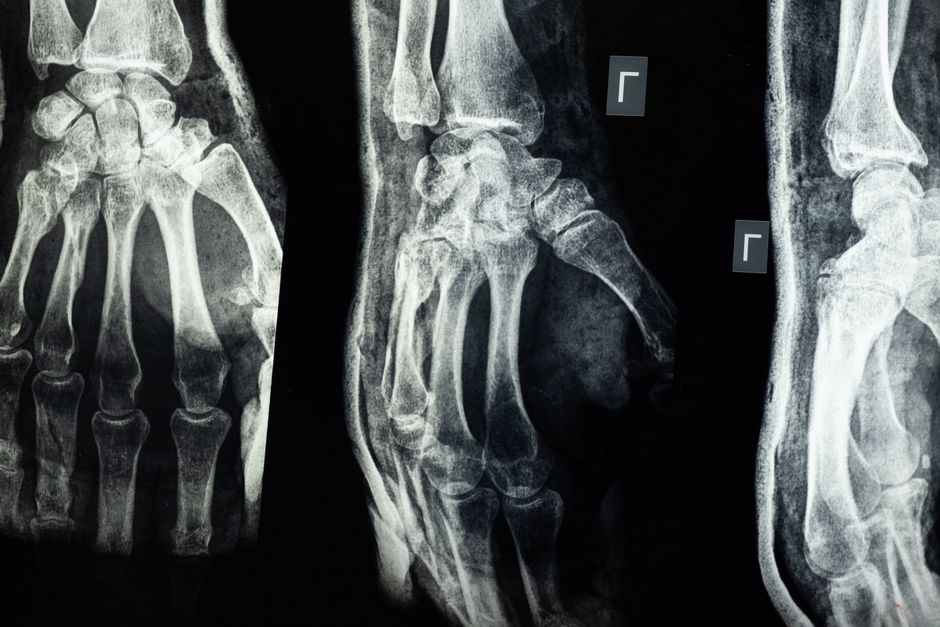
Your doctor says you need a bone density test. Now you want to know what actually happens. Checking bone density is a quick, painless process that measures how strong your bones are. The standard test is called a DEXA scan, and it takes about 10 to 20 minutes. Here is the step-by-step reality of how it works, what to expect, and what the results mean for your health.
What Is a Bone Density Test?
A bone density test measures the amount of mineral in your bones. Think of it like a strength check for your skeleton. The most common and accurate method is called DXA or DEXA, which stands for Dual-Energy X-ray Absorptiometry.
The test uses a very low dose of radiation. It is far less than a standard chest X-ray. The machine scans your bones and compares your numbers to those of a healthy young adult. This comparison tells your doctor if your bones are normal, weakening, or already fragile.
Bone density testing is the only way to diagnose osteoporosis before a bone breaks. You cannot feel your bones getting weaker. Many people only discover they have low bone density after a fracture. The test exists to catch that problem early.
Who Should Get a Bone Density Test?
Not everyone needs this test right away. Medical guidelines recommend screening based on age and risk factors.
Women should typically start screening at age 65. Men usually start at age 70. These are the standard recommendations from major medical organizations in the United States.
You may need testing earlier if you have specific risk factors. These include:
- A previous bone fracture from a minor fall
- Rheumatoid arthritis or other inflammatory conditions
- Long-term use of corticosteroid medications like prednisone
- Early menopause before age 45
- A family history of osteoporosis
- Low body weight or significant weight loss
- Smoking or heavy alcohol use
Your doctor may also recommend testing if you have conditions that affect bone health, such as thyroid disease, diabetes, or kidney disease. If you have lost more than 1.5 inches in height, that can signal spinal fractures and warrants a test.
How To Check Bone Density: Step by Step
Here is exactly what happens during a bone density test. Knowing the process removes the guesswork.
Step 1: Schedule the test. Your doctor will give you an order for a DEXA scan. You do not need to do anything special to prepare. No fasting is required.
Step 2: Avoid calcium supplements beforehand. Take your calcium supplements 24 hours before the test. Calcium in your system can affect the scan results. Regular food is fine.
Step 3: Wear comfortable clothing. Wear loose clothes without metal. No zippers, snaps, or buttons over the scan area. You may need to change into a hospital gown if your clothing has metal.
Step 4: Lie on the scanning table. The test is done while you lie flat on your back on a padded table. A machine arm passes slowly over your body. It scans your lower spine and hips. These are the most common fracture sites.
Step 5: Stay still and breathe normally. You must remain still during the scan. The technician may position your leg on a block to properly angle your hip. You will not feel anything. The machine does not touch you.
Step 6: Get up and go. The scan takes about 10 minutes for the spine and hip. You get dressed and leave. There are no side effects. You can drive yourself home and resume all normal activities.
Some clinics also offer a peripheral test that scans your wrist or heel. This is a screening tool, not a diagnostic test. If a peripheral test shows low density, your doctor will order a central DEXA scan to confirm.




Understanding Your T-Score Results
Your DEXA scan results come as a T-score. This number compares your bone density to that of a healthy 30-year-old adult. That age represents peak bone mass.
The World Health Organization defines bone density categories using T-scores:
- T-score of -1.0 or above: Normal bone density
- T-score between -1.0 and -2.5: Low bone mass, also called osteopenia
- T-score of -2.5 or below: Osteoporosis
A T-score of -2.5 or lower means you have osteoporosis. This is a diagnosis, not just a risk factor. Your bones are significantly weaker and more likely to break.
Osteopenia means your bones are lower than normal but not yet in the osteoporosis range. This is a warning sign. It does not mean you will definitely develop osteoporosis, but it means you need to take action to protect your bones.
Your report will also include a Z-score. This compares your bone density to people of your same age, sex, and body size. A Z-score below -2.0 may suggest that something other than aging is causing bone loss. Your doctor may investigate further if your Z-score is low.
What Happens After the Test?
Your doctor will review the results and discuss them with you. The next steps depend entirely on your T-score and your overall health picture.
If your bones are normal, you may not need another test for several years. If you have osteopenia, your doctor may recommend lifestyle changes. These include weight-bearing exercise, adequate vitamin D and calcium intake, and stopping smoking.
If you have osteoporosis, treatment is typically recommended. Several classes of medications can slow bone loss or build new bone. Your doctor will choose based on your age, fracture risk, and medical history.
Your doctor may also calculate your fracture risk using a tool called FRAX. This estimates your 10-year probability of breaking a bone. It considers your bone density, age, sex, weight, and other risk factors like smoking or a parent who broke a hip.
Treatment decisions are not based on T-score alone. A 60-year-old with a T-score of -2.4 and no other risk factors may not need medication. A 75-year-old with the same T-score and a previous fracture almost certainly does.
Can You Check Bone Density at Home?
No. There is no accurate home test for bone density. Some devices claim to measure bone health through your heel or finger, but they are not diagnostic tools.
At-home tests that measure calcium in your urine or use questionnaires cannot diagnose osteoporosis. They may give you a rough sense of risk, but they cannot replace a medical scan.
Body weight scales with bioelectrical impedance analysis cannot measure bone density. They estimate body composition, but bone mass readings from these devices are not accurate enough for medical decisions.
The only reliable way to check bone density is through a clinical test. That means a central DEXA scan ordered by your doctor. If you are concerned about your bone health, talk to your doctor about your risk factors and whether screening is appropriate for you.
How Often Should You Repeat the Test?
The frequency depends on your results and your treatment plan. There is no one-size-fits-all schedule.
People with normal bone density may wait 10 to 15 years before the next scan. People with osteopenia are typically retested every 2 to 5 years. The exact interval depends on how fast you are losing bone and your other risk factors.
People taking osteoporosis medication may have a follow-up scan every 1 to 2 years. This checks whether the treatment is working. Some doctors wait 2 years after starting a new medication before repeating the scan because bone density changes slowly.
If you are on corticosteroids or have a condition that causes rapid bone loss, your doctor may test more frequently. Your individual situation determines the timing.
What Else Can You Do for Your Bones?
A bone density test is a snapshot. It tells you where you stand today. What you do next matters more than the number itself.
Weight-bearing exercise is one of the most effective ways to maintain bone strength. Walking, jogging, dancing, and stair climbing all qualify. Resistance training with weights also helps. Aim for at least 30 minutes of weight-bearing activity on most days.
Calcium and vitamin D are essential. Adults need about 1,000 to 1,200 mg of calcium daily. Vitamin D helps your body absorb calcium. Many people get enough from diet and sunlight, but supplements may be necessary if you are deficient.
Protein intake matters for bone health too. Bones are about 50 percent protein by volume. Older adults often do not eat enough protein, which can accelerate bone loss.
Smoking and heavy alcohol use directly harm bone cells. Quitting smoking and limiting alcohol to no more than one drink per day for women and two for men can slow bone loss.
No supplement or exercise program can reverse established osteoporosis completely. But these measures can slow the progression and reduce fracture risk. They work alongside any medication your doctor prescribes.
Frequently Asked Questions
Does a bone density test hurt?
No, the test is completely painless. You lie still on a padded table while a scanner passes over you.
How long does a bone density test take?
The central DEXA scan takes about 10 to 20 minutes total. The actual scanning time is around 10 minutes.
Do I need to fast before a bone density test?
No fasting is required. Just avoid taking calcium supplements for 24 hours before the test.
What is a normal bone density T-score?
A T-score of -1.0 or above is considered normal. Scores between -1.0 and -2.5 indicate low bone mass, and -2.5 or below indicates osteoporosis.
