
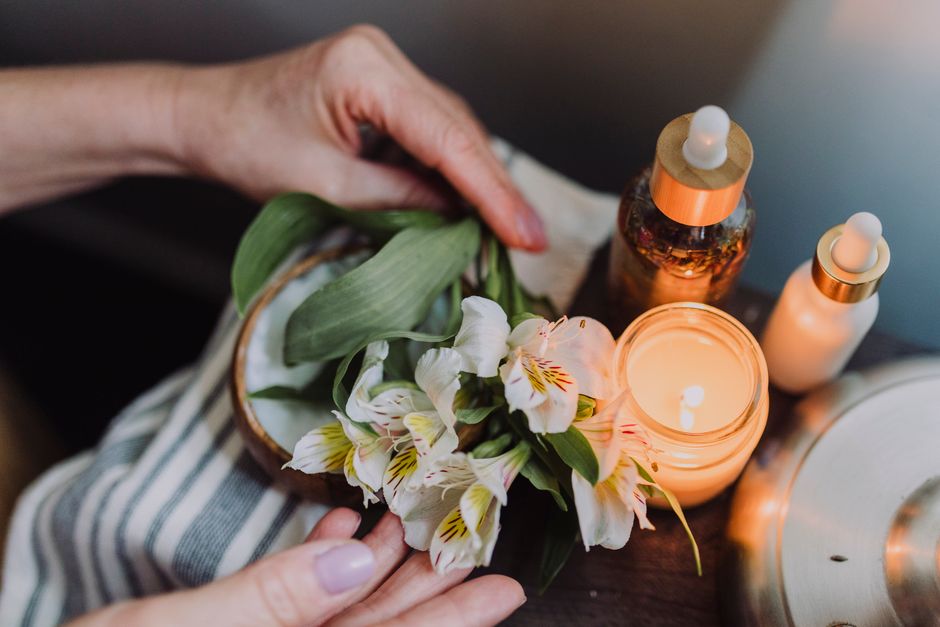
Alstroemeria, often called the Peruvian lily, is a hardy perennial that can survive winter outdoors in many climates, but it needs specific care to make it through the cold months. The key is knowing your growing zone, cutting back the foliage at the right time, and adding a thick layer of mulch to insulate the roots. For gardeners in colder regions, lifting the rhizomes and storing them indoors is the safest approach to guarantee they return in spring.
Do Alstroemeria Plants Survive Winter Outdoors?
Yes, most alstroemeria varieties are surprisingly cold-hardy. Established plants can typically survive winter temperatures down to about -5°F (-20°C) when planted in the ground with proper protection. This means gardeners in USDA hardiness zones 7 through 10 can usually leave their alstroemeria in the ground all winter without much worry.
Zone 6 gardeners can also try leaving them outdoors, but they need extra protection. A thick layer of mulch is essential here. Without it, the roots may freeze solid and the plant will not come back in spring.
If you live in zone 5 or colder, outdoor survival becomes unreliable. In these regions, the soil freezes too deeply and the rhizomes rarely survive. Treating the plant as an annual or overwintering it indoors is the more dependable option.
When Should You Cut Back Alstroemeria For Winter?
Wait until the foliage has died back naturally before cutting. The leaves turn yellow and flop over after the first hard frost. This usually happens in late October or November, depending on where you live.
The foliage feeds the rhizomes through photosynthesis right up until frost kills it. Cutting too early weakens the plant’s energy reserves for next year. Once the leaves are brown and crispy, cut the stems down to about 2 to 3 inches above the soil line.
Some gardeners skip cutting altogether and simply let the dead foliage lie. This works fine and even provides a little extra insulation. However, removing the spent foliage reduces the chance of fungal diseases taking hold over winter.
How To Mulch Alstroemeria For Winter Protection
Mulch is the most effective tool for overwintering alstroemeria in the ground. It acts like a blanket, keeping soil temperatures more stable and preventing the freeze-thaw cycles that damage rhizomes.
Apply a 4 to 6 inch layer of mulch after the ground starts to freeze. This timing matters. If you mulch too early, you may trap heat and encourage the plant to keep growing instead of going dormant.
Good mulch options include:
- Straw or hay
- Shredded bark or wood chips
- Leaves that have been shredded
- Pine needles
In very cold zones, gardeners sometimes add a layer of evergreen boughs on top of the mulch. These do not insulate much themselves, but they trap snow, which is an excellent insulator.



Should You Water Alstroemeria During Winter?
Watering is rarely needed during winter dormancy. The plant is not actively growing and its water needs drop dramatically. Too much moisture around the rhizomes increases the risk of rot, which is a leading cause of winter death in alstroemeria.
However, dry winter winds can dehydrate the soil. If you experience a prolonged dry spell with no rain or snow, a light watering on a mild day is fine. The goal is to keep the soil slightly moist, not wet.
Good drainage is more important than watering. If your soil holds water and stays soggy, the rhizomes are far more likely to rot than freeze. Consider planting alstroemeria in raised beds or on a slight slope to improve drainage before winter arrives.
How To Store Alstroemeria Rhizomes Indoors
For gardeners in zones 5 and colder, lifting the rhizomes is the reliable method. Wait until after the first frost has killed the foliage, then dig up the entire root clump carefully.
Shake off excess soil but do not wash the rhizomes. Washing introduces moisture that promotes rot during storage. Trim the stems down to about 2 inches and let the rhizomes dry in a cool, airy place for a day or two.
Store them in a box or paper bag filled with dry peat moss, sawdust, or vermiculite. The packing material keeps them from drying out completely while absorbing excess moisture.
Keep the storage container in a cool, dark place. A basement, garage, or unheated closet that stays between 35°F and 45°F (2°C to 7°C) works well. Check the rhizomes monthly and discard any that show signs of rot or shriveling.
How To Care For Alstroemeria In Winter: Potted Plants
Alstroemeria grown in containers need different care than those in the ground. Potted roots are exposed to colder temperatures because they lack the insulating effect of surrounding soil.
In zones 7 and warmer, you can leave potted alstroemeria outdoors. Move the pots against a south-facing wall for extra warmth and wrap them in burlap or bubble wrap. Sinking the pots into the ground is even better if you have space.
In colder zones, move the pots to an unheated garage or shed. The plants need the cold to maintain dormancy but must stay above freezing. A garage that stays between 35°F and 45°F is ideal.
Water potted plants sparingly through winter. Check the soil monthly and water only if it feels completely dry. Overwatering is the most common mistake with potted alstroemeria in winter.
When Will Alstroemeria Come Back In Spring?
Alstroemeria is one of the earlier perennials to emerge. New shoots typically appear in early to mid-spring, often before the last frost date. This is normal, and light frosts usually do not harm the emerging growth.
Start removing mulch gradually as temperatures warm. Pull it away in stages over a few weeks rather than all at once. This lets the soil warm slowly and protects new shoots from a sudden late frost.
Once new growth is visible, begin watering regularly and apply a balanced fertilizer. The plant will establish quickly and typically begins flowering by early summer.
Do not be alarmed if growth is slow at first. The rhizomes spend energy re-establishing roots before pushing up foliage. Give them a few weeks before expecting visible progress.
Common Winter Problems And How To Avoid Them
The most common winter killer of alstroemeria is not cold — it is wet soil. Rhizomes sitting in waterlogged ground for weeks will rot even in mild winters. Improving drainage before winter is the single best prevention.
Another frequent issue is cutting foliage too early. Gardeners who tidy up in early fall remove the plant’s ability to store energy. Always wait for frost to kill the foliage naturally.
Heaving is a third problem in cold regions. Repeated freezing and thawing pushes rhizomes out of the soil, exposing them to lethal cold. A thick mulch layer prevents this by keeping soil temperatures stable.
Frequently Asked Questions
Can alstroemeria stay in the ground over winter?
Yes, in USDA zones 7 through 10 they can stay in the ground with a layer of mulch. In colder zones, lifting and storing the rhizomes indoors is safer.
Do you cut back alstroemeria for winter?
Cut back the foliage after the first hard frost kills it, leaving about 2 to 3 inches of stem. Cutting before frost removes energy the rhizomes need to survive.
What temperature kills alstroemeria?
Established plants can generally survive down to about -5°F (-20°C) with mulch protection. Without protection, damage can occur below 10°F (-12°C).
How do I store alstroemeria rhizomes for winter?
Dig up the rhizomes after frost, let them dry for a day, and pack them in dry peat moss or sawdust. Store them in a cool, dark place between 35°F and 45°F.
