
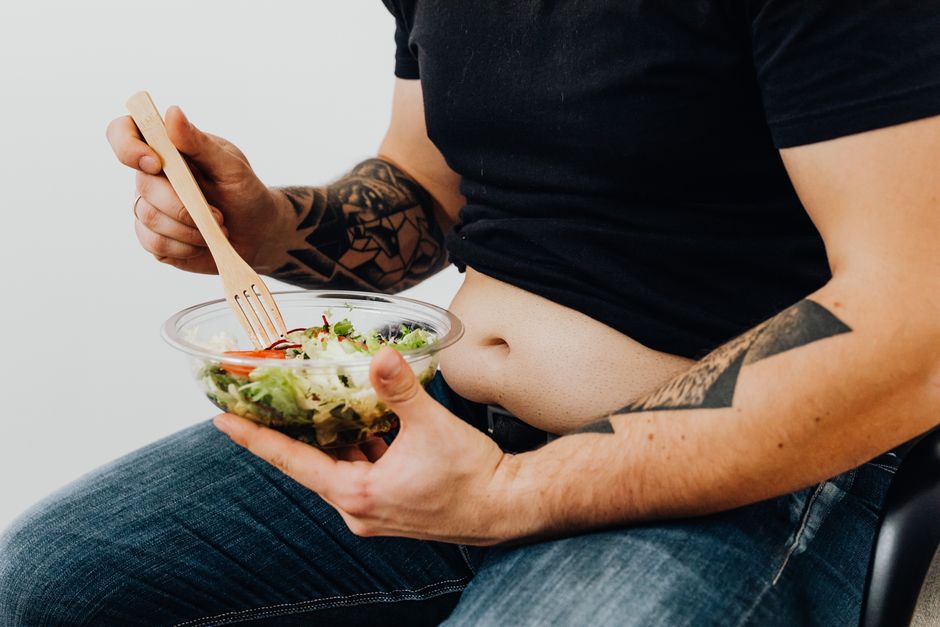
Visceral fat is the deep belly fat wrapped around your organs that is linked to heart disease, diabetes, and inflammation. The only way to burn it is to reduce your total body fat through a calorie deficit combined with specific lifestyle habits that target how your body stores and releases this dangerous fat. No pill, supplement, or quick fix will do it — but the right approach backed by real research will.
What Makes Visceral Fat Different From Other Body Fat?
Visceral fat sits deep inside your abdominal cavity, not just under the skin like the fat you can pinch. This matters because visceral fat acts like an active organ. It releases inflammatory chemicals and hormones that interfere with how your body processes sugar and manages appetite.
Research shows that visceral fat is more metabolically active than subcutaneous fat. It responds faster to changes in diet and exercise. That is actually good news. When you lose weight, visceral fat often goes first. Some studies have found that a 10% reduction in body weight can lead to a 30% reduction in visceral fat.
The bad news is that visceral fat also builds up faster when you eat poorly or live a sedentary lifestyle. Stress and poor sleep make it worse because they raise cortisol, a hormone that tells your body to store fat in the belly. Understanding this difference helps explain why some people who look thin can still have dangerous levels of visceral fat. It is not about how you look. It is about what is happening inside.
Does Diet Quality Matter More Than Calories for Visceral Fat?
Yes, but not in the way most people think. A calorie deficit is required for any fat loss. But the type of food you eat influences where your body stores fat and how easily it releases it.
High sugar intake, especially from sugary drinks, is strongly linked to more visceral fat. The liver converts excess fructose directly into fat, and much of it ends up in the belly. Current research suggests that cutting out sugary drinks is one of the fastest dietary changes you can make to reduce visceral fat.
Protein matters more than most people realize. Higher protein intake helps preserve muscle during weight loss. Muscle burns more calories at rest than fat does. More muscle means a higher metabolism, which makes it easier to maintain a calorie deficit. Aim for 20 to 30 grams of protein per meal from sources like eggs, chicken, fish, beans, or Greek yogurt.
Fiber from vegetables, whole grains, and legumes also helps. Soluble fiber specifically feeds gut bacteria that produce compounds linked to lower visceral fat storage. One study found that for every 10 grams of soluble fiber eaten daily, visceral fat accumulation decreased by nearly 4% over five years.
What about fats? Unsaturated fats from olive oil, nuts, and avocados are fine in moderation. Trans fats and highly processed seed oils should be avoided. They promote inflammation, which makes it harder for your body to break down visceral fat.
What Type of Exercise Actually Targets Visceral Fat?
Cardio alone works, but it is not the most efficient method. High-intensity interval training (HIIT) has been shown in multiple studies to reduce visceral fat more effectively than steady-state cardio of the same calorie burn. HIIT involves short bursts of intense effort followed by rest. Think 30 seconds of sprinting followed by 90 seconds of walking, repeated for 15 to 20 minutes.
Resistance training is equally important. Building muscle increases your resting metabolic rate. More muscle means you burn more calories even when sitting still. Compound exercises like squats, deadlifts, and push-ups work multiple muscle groups at once and are more time-efficient than isolation exercises.
A combined approach works best. One study compared cardio only, resistance only, and a combination. The combination group lost the most visceral fat. Aim for at least 150 minutes of moderate cardio or 75 minutes of vigorous cardio per week, plus two to three resistance training sessions.
Walking is underrated. Consistent daily walking of 8,000 to 10,000 steps has been linked to lower visceral fat levels in large observational studies. It is not as dramatic as HIIT, but it is sustainable and adds up over time. The best exercise is the one you will actually do consistently.





How Do Sleep and Stress Affect Visceral Fat?
Poor sleep and chronic stress are two of the most overlooked causes of visceral fat gain. They directly affect hormone levels that control fat storage.
When you do not get enough sleep, your body produces more ghrelin, the hunger hormone, and less leptin, the hormone that tells you when you are full. You end up eating more, often craving high-carb and high-sugar foods. Sleep deprivation also raises cortisol, which encourages the body to store fat in the abdomen.
Studies have found that people who sleep less than six hours per night have significantly more visceral fat than those who sleep seven to eight hours. The relationship holds even when controlling for diet and exercise. Sleeping less than five hours is associated with the highest levels.
Stress management matters for the same reason. Chronic stress keeps cortisol levels elevated. High cortisol over time leads to more visceral fat storage, even if your diet is reasonable. Stress does not directly cause fat gain, but it creates the hormonal environment where fat storage is more likely.
Practical steps include setting a consistent sleep schedule, avoiding screens one hour before bed, and finding a stress reduction method that works for you. This could be walking, meditation, reading, or simply doing nothing for ten minutes a day. The specific method matters less than doing it consistently.
What About Supplements and Quick Fixes for Visceral Fat?
The supplement industry wants you to believe there is a pill that melts belly fat. As of 2026, there is no clinical evidence that any supplement directly burns visceral fat. None.
Green tea extract, caffeine, and conjugated linoleic acid have been studied. Some show very small effects on fat metabolism, but the results are inconsistent and the effects are minimal. They cannot replace diet and exercise. No supplement has been shown to selectively target visceral fat.
Certain medications exist for weight loss, such as GLP-1 agonists like semaglutide. These can help with significant weight loss, which indirectly reduces visceral fat. But they require a prescription and have side effects. They are not a shortcut. They are a tool for people with obesity or related health conditions.
The only proven method for burning visceral fat is creating a sustained calorie deficit through diet and exercise, supported by good sleep and stress management. Everything else is either a minor aid or a complete waste of money.
How Fast Can You Realistically Lose Visceral Fat?
Visceral fat responds faster than subcutaneous fat. Many people see measurable reductions within two to four weeks of starting a consistent program. But the rate depends on several factors.
A safe and sustainable rate of total weight loss is one to two pounds per week. At this rate, visceral fat typically decreases by 10 to 20% in the first month. That sounds fast because it is. The body prioritizes visceral fat for energy during a calorie deficit.
Do not expect to see changes on the scale immediately. Visceral fat loss often shows up first as looser clothing or a smaller waist measurement. The scale can be misleading because muscle gain may offset fat loss. Measuring your waist circumference with a tape measure is a better way to track progress.
A waist measurement above 40 inches for men or 35 inches for women is considered high risk for visceral fat-related health problems. Reducing that number by even one or two inches is a meaningful sign of progress.
Patience is required. Visceral fat took time to build and will take time to lose. Quick fixes that promise rapid results are either unsustainable or dangerous. The people who succeed are the ones who make small, consistent changes and stick with them for months, not weeks.
Common Misconceptions About Visceral Fat
Spot reduction is not real. Doing hundreds of crunches or ab exercises will not burn belly fat. Your body decides where it takes fat from, and you cannot control that. Exercise strengthens the muscles underneath, but the fat on top stays until your overall body fat decreases.
Detox diets and cleanses do not work. Your liver and kidneys already detox your body. Juice fasts and colon cleanses may cause temporary water weight loss, but they do not reduce visceral fat. Some can even cause muscle loss, which slows your metabolism.
Fat-free foods are not automatically healthy. Many low-fat products replace fat with added sugar, which is worse for visceral fat storage. Read labels. A food labeled low-fat can still be high in calories and sugar.
You cannot out-exercise a bad diet. Exercise burns calories, but it is much easier to eat 500 calories than to burn them. Diet is the primary driver of fat loss. Exercise supports it and improves metabolic health, but the kitchen is where results start.
Frequently Asked Questions About How to Burn Visceral Fat
Can you lose visceral fat without losing weight overall?
Yes, but it is difficult. Visceral fat loss usually happens alongside overall fat loss. Some people gain muscle while losing fat, which can keep the scale steady while waist size decreases.
How long does it take to see a reduction in visceral fat?
Most people see measurable changes in two to four weeks with consistent diet and exercise. Waist circumference often shrinks before the scale moves significantly.
Is visceral fat harder to lose than subcutaneous fat?
No, the opposite is true. Visceral fat is more metabolically active and responds faster to a calorie deficit. It typically decreases before subcutaneous fat does during weight loss.
Does drinking water help reduce visceral fat?
Water itself does not burn fat, but it supports metabolism and helps control appetite. Replacing sugary drinks with water is one of the most effective single changes you can make.
