
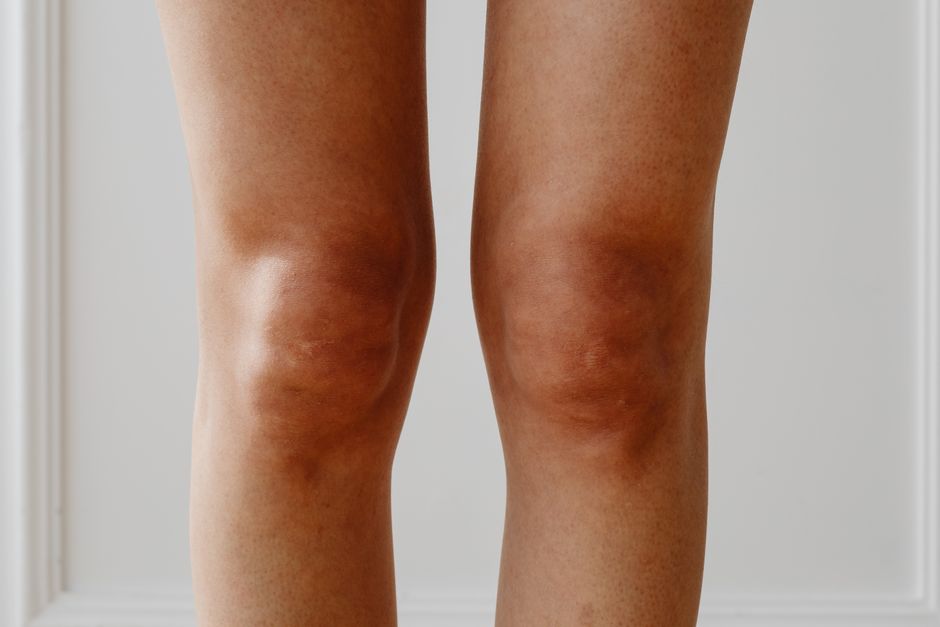
Stronger knees come from a clear combination of targeted strengthening exercises and smart nutrition choices. The best approach is to build the muscles around the joint — especially the quadriceps and hamstrings — while reducing excess body weight and eating foods that support joint tissue. This combination reduces pain, improves stability, and helps you move with more confidence.
Why Do Knees Get Weak and Painful?
The knee is the largest joint in your body. It connects your thigh bone, shin bone, and kneecap. It relies almost entirely on muscles, ligaments, and tendons for stability. The joint itself has very little built-in structural support.
When the surrounding muscles are weak, the knee takes on extra stress. Everyday movements like walking stairs, squatting, or even standing for long periods become harder. Over time, this can lead to pain, stiffness, and a higher risk of injury.
Cartilage damage is another common cause of knee problems. Cartilage is the smooth tissue that cushions the ends of your bones. It does not have its own blood supply, so it heals slowly. Once damaged, it does not easily repair itself.
Age also plays a role. Muscle mass naturally declines after age 30. This process, called sarcopenia, affects the muscles that support your knees. Keeping those muscles active is one of the most effective ways to slow this decline.
What Exercises Build Stronger Knees?
The most effective knee exercises target the quadriceps, hamstrings, glutes, and calves. These muscles work together to control how your knee bends, straightens, and absorbs impact.
Start with low-impact exercises. High-impact activities like running or jumping can make existing knee pain worse. Instead, focus on controlled movements that build strength without jarring the joint.
Here are the exercises with the strongest evidence behind them:
- Straight leg raises: Lie on your back with one leg bent and the other straight. Lift the straight leg to the height of the opposite knee. Hold for 2 seconds and lower slowly. This works the quadriceps without bending the knee.
- Wall sits: Slide your back down a wall until your thighs are parallel to the floor. Hold for 20-30 seconds. This builds quadriceps and glute strength.
- Step-ups: Use a low step or sturdy box. Step up with one foot, then bring the other foot up. Step back down slowly. Keep your knee aligned with your toes.
- Hamstring curls: Stand and hold onto a chair for balance. Bend one knee, bringing your heel toward your buttocks. Lower slowly. This targets the hamstrings, which support the back of the knee.
- Calf raises: Stand with your feet hip-width apart. Rise onto your toes and lower slowly. Strong calves help absorb shock during walking and running.
Do 2-3 sets of 10-15 repetitions for each exercise. Rest for 30-60 seconds between sets. Aim for 2-3 sessions per week. Allow at least one day of rest between strength sessions.
If you already have knee pain, start with fewer repetitions. Pain during exercise is a signal to stop. Mild muscle soreness is normal. Sharp or stabbing pain is not.
How To Build Stronger Knees Exercises And Nutrition Work Together
Exercise builds the muscles that support your knee. Nutrition provides the raw materials those muscles and tissues need to repair and grow. Neither works well without the other.
Protein is the most important nutrient for muscle building. Your body breaks down dietary protein into amino acids, which it uses to repair muscle fibers damaged during exercise. Good sources include lean meats, poultry, fish, eggs, dairy, beans, and lentils.
Research suggests that spreading protein intake across the day is more effective than eating it all in one meal. Aim for a source of protein at each meal. This gives your muscles a steady supply of building blocks.
Vitamin D and calcium also matter for knee health. They support bone density, which is important because osteoporosis can weaken the bones that form the knee joint. Fatty fish, fortified dairy products, and sunlight are good sources of vitamin D. Calcium is found in dairy, leafy greens, and fortified plant milks.
Omega-3 fatty acids have anti-inflammatory properties. Some research suggests they may help reduce joint pain in people with arthritis. Sources include fatty fish like salmon and mackerel, walnuts, and flaxseeds. The evidence is promising but not definitive for everyone.





What Foods Help Knee Pain and Inflammation?
No single food will cure knee pain. But some foods may help reduce inflammation in the body. Chronic inflammation is a factor in osteoarthritis and other joint conditions.
Fruits and vegetables are rich in antioxidants. These compounds help neutralize free radicals that can damage joint tissue. Berries, cherries, oranges, and leafy greens are particularly high in antioxidants.
Extra virgin olive oil contains oleocanthal, a compound with anti-inflammatory properties. Some studies suggest it works similarly to ibuprofen, though at much lower strength. Use it as your primary cooking oil.
Turmeric contains curcumin, which has demonstrated anti-inflammatory effects in several studies. Some research suggests it may reduce knee pain in people with osteoarthritis. The evidence is moderate, and results vary between studies. If you try turmeric supplements, be aware that curcumin is poorly absorbed on its own.
Processed foods, sugary drinks, and excessive alcohol may promote inflammation. Reducing these foods is a reasonable step, though the direct effect on knee pain is not well established.
How Does Weight Affect Knee Health?
Body weight has a direct mechanical effect on your knees. For every pound of body weight, your knees feel about 3-4 pounds of force when you walk. When you run or jump, that force increases further.
This means that losing excess weight reduces the load on your knee joints. The effect is measurable. Studies have shown that weight loss can significantly reduce knee pain in people with osteoarthritis. The combination of weight loss and exercise is more effective than either alone.
You do not need to reach an ideal body weight to see benefits. Even modest weight loss of 5-10% of your starting body weight can reduce symptoms. This is a realistic and achievable goal for many people.
Focus on sustainable changes rather than crash diets. A combination of a balanced diet and regular exercise is the most reliable approach to long-term weight management.
When Should You See a Doctor for Knee Pain?
Not all knee pain requires medical attention. Mild soreness after new exercise is normal and usually resolves within a few days. But some symptoms warrant evaluation.
See a healthcare provider if you experience any of the following:
- Swelling that does not improve after several days
- Inability to bear weight on the affected leg
- Locking or catching sensations in the joint
- Instability, or a feeling that the knee will give way
- Redness or warmth around the knee, which may indicate infection
- Pain that persists for more than two weeks despite rest
A doctor can perform a physical exam and may order imaging studies like X-rays or an MRI. These tests can identify structural problems like cartilage tears, ligament injuries, or bone issues. Do not assume your knee pain is just part of aging. Some conditions are treatable, and early intervention often leads to better outcomes.
Physical therapy is a common treatment for knee pain. A physical therapist can create a personalized exercise program based on your specific limitations and goals. This is often more effective than following a generic routine.
What About Supplements for Knee Health?
The supplement market for joint health is large. Glucosamine and chondroitin are the most widely marketed ingredients. The evidence for these supplements is mixed.
Some studies show modest pain relief for people with knee osteoarthritis. Others show no benefit over placebo. The largest clinical trial on this topic found no significant difference between the supplements and placebo for most participants. Some people report benefit, but the scientific consensus does not support universal use.
If you decide to try glucosamine or chondroitin, look for products tested by independent organizations. Give them 2-3 months to see if they help. If you notice no improvement, continuing is unlikely to provide benefit.
Always tell your doctor about any supplements you take. Some can interact with medications. For example, fish oil can increase bleeding risk when combined with blood thinners.
No supplement replaces the fundamentals. Exercise and nutrition are the evidence-based foundation for knee health. Supplements are a secondary consideration at best.
Frequently Asked Questions
What is the fastest way to strengthen weak knees?
Straight leg raises and wall sits are the most effective starting exercises because they build quadriceps strength without stressing the joint. Combine these with consistent protein intake at each meal to support muscle repair.
Can walking make knee pain worse?
Walking is generally safe and beneficial for knee pain when done on flat, even surfaces. If walking increases your pain significantly, reduce distance and speed, and consider seeing a healthcare provider.
How long does it take to see results from knee exercises?
Most people notice improved strength and reduced pain within 4-6 weeks of consistent exercise. Structural changes in muscle size take longer, typically 8-12 weeks of regular training.
Are squats bad for your knees?
Properly performed squats are not bad for your knees and can actually strengthen them. Keep your knees aligned with your toes and avoid going deeper than is comfortable without pain.
