
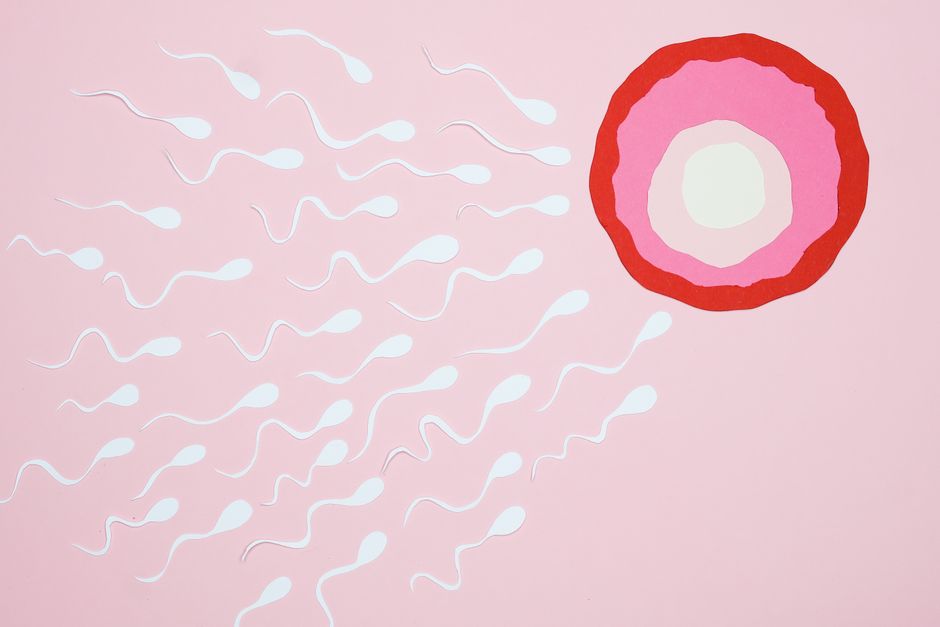
Making sperm stronger for pregnancy means improving sperm health in three main areas: count, movement, and shape. Healthy sperm also has intact DNA, which matters for fertilization and early embryo development. The good news is that sperm quality is not fixed. It responds to lifestyle changes, and most men can see measurable improvements within one full sperm cycle, which takes about 74 days.
What Does “Strong Sperm” Actually Mean?
Sperm strength is not a single number. Fertility specialists look at a semen analysis to check several factors. Sperm count is the total number of sperm in a sample. Sperm motility is the percentage of sperm that move forward properly. Sperm morphology is the percentage of sperm with a normal shape.
Standard reference ranges from the World Health Organization define what is considered normal. A normal sperm count is 15 million sperm per milliliter or more. Normal motility means at least 40 percent of sperm are moving, and at least 32 percent are moving forward in a straight line. Normal morphology means at least 4 percent of sperm have a normal shape.
These numbers matter, but they are not the whole story. Two men can have identical semen analysis results, and one may conceive easily while the other struggles. The reason is often DNA fragmentation, which measures how much damage exists in the genetic material inside the sperm head. Standard semen analysis does not test for this routinely.
How Long Does It Take To Improve Sperm Quality?
Sperm production takes about 64 days from start to finish in the testicles. Another 10 to 14 days are needed for sperm to travel through the epididymis, where they mature and gain the ability to move. This means the sperm you ejaculate today began developing roughly two and a half to three months ago.
When you make a lifestyle change, the effects appear gradually over one full cycle. Improvements are typically visible on a semen analysis at the three-month mark. Some changes, like stopping smoking or reducing heat exposure, can show benefits sooner. Others, like weight loss or correcting a vitamin deficiency, may take the full cycle to show meaningful change.
This timeline matters practically. If you are trying to conceive, start making changes now. Waiting until the month you want to conceive is too late because the sperm being produced today will not be ready for another three months.
What Lifestyle Factors Weaken Sperm?
Several everyday habits directly damage sperm or reduce production. Understanding these is the first step because removing harm is often more effective than adding supplements.
Heat exposure is one of the clearest factors. The testicles sit outside the body because sperm production requires a temperature about 3 to 4 degrees Fahrenheit cooler than core body temperature. Frequent sauna use, hot tubs, and long hot baths can temporarily lower sperm count. Tight underwear that holds the testicles close to the body has a smaller effect but may matter for some men. Laptop use on the lap for extended periods can also raise scrotal temperature.
Smoking damages sperm in multiple ways. Cigarette smoke contains thousands of chemicals that create oxidative stress, which damages the DNA inside sperm. Studies consistently find that men who smoke have lower sperm counts, poorer motility, and higher DNA fragmentation than non-smokers. The effect is dose-dependent, meaning heavier smoking causes more damage.
Alcohol affects sperm production by interfering with testosterone synthesis. Moderate drinking of one to two drinks per day may have minimal effect, but heavy drinking clearly lowers sperm quality. Binge drinking is particularly harmful because it causes a sharp, temporary drop in testosterone.
Recreational drugs including marijuana, cocaine, and anabolic steroids are all associated with reduced sperm production. Anabolic steroids are especially damaging because they suppress the brain signals that tell the testicles to produce sperm. The effect can persist for months or even years after stopping.




How Does Weight Affect Sperm Health?
Body weight directly influences sperm quality through hormonal pathways. Fat tissue converts testosterone to estrogen through an enzyme called aromatase. More body fat means more aromatase activity, which means lower testosterone and higher estrogen. This hormonal shift reduces sperm production.
Research consistently shows that men with a body mass index over 30 have lower sperm counts and more DNA damage than men in a healthy weight range. The relationship is not linear. Men who are significantly overweight or obese show the clearest impairments, while modest weight gain has less impact.
Weight loss improves sperm quality, but the evidence shows it needs to be real weight loss, not just any diet. Studies have found that men who lose weight through diet and exercise show improved sperm counts and motility. Some research indicates that weight loss of about 10 percent of body weight can meaningfully improve semen parameters. Crash diets that cause rapid weight loss may temporarily worsen sperm quality because the body perceives severe calorie restriction as a stress state.
Which Supplements Are Backed By Evidence?
The supplement market for male fertility is large and mostly unregulated. Many products make claims that outpace the evidence. However, some nutrients have genuine research support for improving sperm quality, particularly in men with known deficiencies or oxidative stress.
Coenzyme Q10 is one of the better-studied supplements for sperm health. It acts as an antioxidant in the mitochondria, the energy-producing part of the cell. Sperm need substantial energy to swim, and CoQ10 supports that process. Several clinical trials have found that CoQ10 supplementation improves sperm motility in men with low motility. The typical dose studied is 200 to 300 mg per day.
Zinc is essential for sperm formation and testosterone production. Men with low zinc levels show improved sperm count when supplemented. The effect is clearest in men who are actually deficient, which is uncommon in men who eat a varied diet with meat or shellfish. The recommended daily intake for adult men is 11 mg per day.
L-carnitine concentrates in the epididymis, where sperm mature. It helps provide energy for sperm movement. Studies have found that L-carnitine supplementation improves sperm motility in some men with asthenozoospermia, which is the medical term for low sperm motility. Results are mixed, and not every study shows benefit.
Vitamin C and Vitamin E are both antioxidants that reduce oxidative stress in semen. Some studies show they reduce DNA fragmentation, particularly in men who smoke. The evidence for improving pregnancy rates is less clear than for improving semen analysis numbers.
Folate and selenium are often combined in fertility supplements. Selenium is a component of selenoproteins that protect sperm during development. Folate is involved in DNA synthesis. Some research supports their use, but the evidence is weaker than for CoQ10 or zinc.
The honest position on supplements is this: they help most when there is a genuine deficiency or measurable oxidative stress. A man with excellent diet and normal semen analysis may see little benefit from additional supplementation. Always discuss supplements with a doctor because some can interact with medications or cause harm at high doses.
Does Diet Change Sperm Quality?
Diet affects sperm quality through the nutrients it provides and the oxidative stress it creates or prevents. Sperm are highly vulnerable to oxidative damage because they have minimal antioxidant defenses of their own. They rely on antioxidants from seminal fluid, which comes from the prostate and seminal vesicles. What you eat directly influences the antioxidant content of that fluid.
Diets rich in fruits and vegetables provide antioxidants including vitamin C, vitamin E, and carotenoids. Diets rich in fish provide omega-3 fatty acids, which are incorporated into sperm membranes and improve their fluidity. Diets high in processed meats, trans fats, and sugary drinks are associated with poorer sperm quality in observational studies.
The Mediterranean diet pattern has the strongest evidence base. Studies have found that men who closely follow a Mediterranean-style diet have better sperm motility and morphology than men who eat a typical Western diet. The pattern emphasizes vegetables, fruits, whole grains, fish, olive oil, and moderate red wine, with limited red meat and processed foods.
One practical note: the effect of a single meal is negligible. Sperm quality reflects your average diet over the past three months. A single fast-food meal does not matter. A consistent pattern of poor eating does.
How To Make Your Sperm Stronger For Pregnancy
Combine the evidence into a practical plan. Stop smoking completely. Limit alcohol to no more than a few drinks per week, and avoid binge drinking entirely. Avoid anabolic steroids and recreational drugs. Keep the testicles cool by avoiding hot tubs and saunas during the conception attempt period.
If overweight, aim for gradual weight loss through a sustainable combination of diet and exercise. A target of 5 to 10 percent of current body weight over several months is realistic and evidence-supported. Avoid crash diets.
Exercise regularly but moderately. Regular moderate exercise improves sperm quality in most studies. However, extreme endurance training can temporarily lower sperm count, likely due to heat and stress hormone effects. A balance of aerobic exercise and resistance training three to five times per week is a reasonable target.
Address any underlying medical conditions. Varicocele, which is an enlargement of veins in the scrotum, is present in about 40 percent of men with infertility. It is correctable with surgery. Untreated thyroid disease, diabetes, and sleep apnea can all affect sperm production. A fertility workup with a urologist can identify these issues.
Get seven to eight hours of sleep per night. Sleep deprivation lowers testosterone, and testosterone is required for sperm production. One study found that men who slept fewer than six hours per night had lower sperm counts than men who slept seven to eight hours.
Manage stress where possible. Chronic stress raises cortisol, which suppresses testosterone and gonadotropin-releasing hormone. The effect on sperm quality is real, though the research is less extensive than for other lifestyle factors.
When Should You See A Doctor?
If you have been trying to conceive for 12 months without success, see a doctor. If your partner is over 35, the timeline shortens to 6 months. A semen analysis is the first test, and it is simple, non-invasive, and relatively inexpensive.
See a doctor sooner if you have known risk factors. These include a history of undescended testicles, prior testicular surgery, chemotherapy or radiation, anabolic steroid use, or a known varicocele. Pain, swelling, or a lump in the testicles also warrants prompt medical evaluation.
The doctor may order hormonal blood tests, genetic testing, or imaging in addition to semen analysis. Treatment depends on the cause. Some causes are correctable, and others respond to assisted reproduction techniques like intrauterine insemination or in vitro fertilization.
Frequently Asked Questions
Can sperm quality improve naturally without medication?
Yes. Sperm quality responds to lifestyle changes including stopping smoking, limiting alcohol, losing excess weight, and improving diet. Most men see measurable improvement within three months of consistent changes.
How long does it take for sperm to get stronger?
One full sperm production cycle takes about 74 days, so three months is the standard timeline for seeing improvement. Some changes like stopping smoking may show benefit sooner, but a full cycle is the realistic expectation.
Does wearing boxers instead of briefs improve sperm count?
The evidence is mixed. Some studies show loose underwear improves sperm count slightly, while others find no meaningful difference. Avoiding hot tubs and saunas has a clearer effect than underwear choice.
What is the most important factor for sperm health?
Stopping smoking is the single most impactful change for most men. Smoking damages sperm DNA through oxidative stress, and the effect is dose-dependent. Beyond that, maintaining a healthy weight and avoiding testicular heat exposure matter most.
