
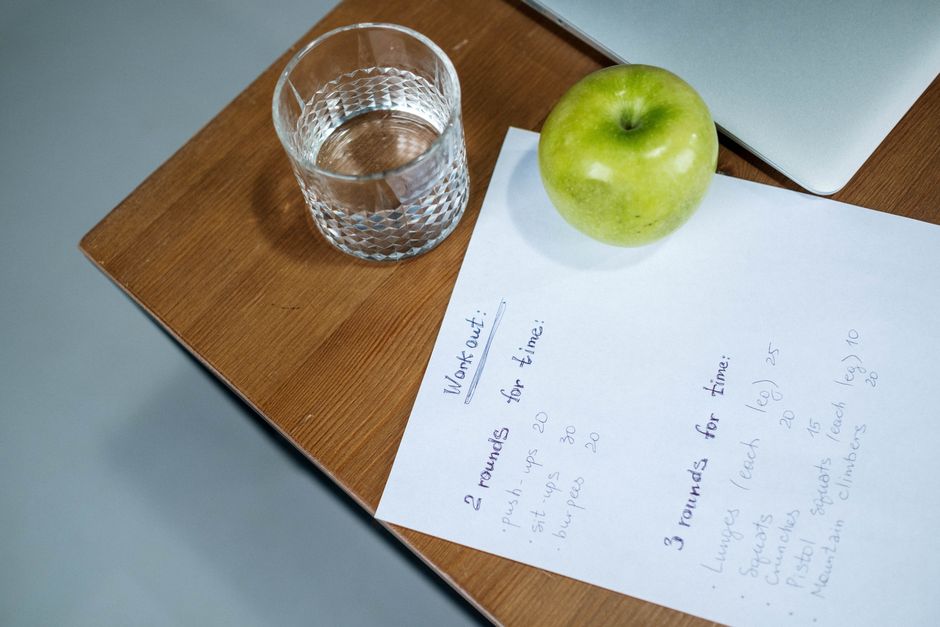
Starting a workout plan can feel overwhelming with all the conflicting advice online. The truth is building an effective plan comes down to four simple steps: pick exercises you can do consistently, schedule them into your week, start lighter than you think you need, and increase difficulty slowly over time. That is the entire foundation. Everything else is details you can learn as you go.
What Does a Well-Built Workout Plan Actually Include?
A solid workout plan has three core pieces: strength training, cardiovascular work, and recovery days. You do not need a different workout every day. Most effective plans repeat the same 2-4 workouts each week.
Strength training builds muscle and bone density. The CDC recommends adults do muscle-strengthening activities at least two days per week. Cardio improves heart health and endurance. Aim for 150 minutes of moderate-intensity aerobic activity weekly according to the Physical Activity Guidelines for Americans.
Recovery is not optional. It is when your body actually changes and gets stronger. A good plan includes at least one full rest day per week and never trains the same muscle group two days in a row.
How To Build A Workout Plan That Fits Your Schedule
Your plan will fail if it does not fit your real life. Do not build a plan that requires 90 minutes at the gym six days a week if you have two kids and a full-time job. Be honest about what you can actually do.
Start by looking at your calendar. Find three 30-minute slots per week. That is enough to see real results. Research published in the Journal of the American Medical Association found that even 30 minutes of moderate exercise per day significantly reduced mortality risk.
Here is a simple schedule that works for most beginners:
- Monday: Full-body strength workout (30 minutes)
- Wednesday: Full-body strength workout (30 minutes)
- Friday: Cardio of your choice (20-30 minutes)
- Saturday or Sunday: Active recovery like walking or stretching
If you can only manage two days per week, do strength on both days. Two strength sessions per week is the minimum effective dose according to the American College of Sports Medicine.
Which Exercises Should a Beginner Pick?
Choose compound exercises that work multiple muscle groups at once. They give you more results per minute spent. Research shows compound movements like squats, push-ups, and rows are more efficient than isolation exercises for building overall strength.
A good beginner routine includes one exercise from each category:
- Push: Push-ups, dumbbell bench press, or overhead press
- Pull: Rows, lat pulldowns, or pull-up negatives
- Legs: Squats, lunges, or step-ups
- Core: Planks, dead bugs, or bird dogs
Start with bodyweight or very light weights. Focus on form first. The National Strength and Conditioning Association emphasizes that proper technique prevents injury and builds better habits than lifting heavy early.
Pick 4-6 exercises per workout. Do 2-3 sets of 8-12 repetitions each. Rest 60-90 seconds between sets. That is enough volume to stimulate growth without exhausting you.





How Many Sets and Reps Should You Actually Do?
This is where most beginners overcomplicate things. The research is clearer than most fitness influencers admit. For building muscle, 10-20 sets per muscle group per week is the effective range according to a 2019 meta-analysis in the journal Sports Medicine.
For a full-body workout three days per week, that means 3-4 sets per muscle group each session. Here is a simple comparison:
| Goal | Reps per Set | Sets per Exercise | Rest Between Sets |
|---|---|---|---|
| Building muscle | 8-12 | 3-4 | 60-90 seconds |
| Building strength | 3-6 | 4-5 | 2-3 minutes |
| Building endurance | 12-20 | 2-3 | 30-60 seconds |
Most beginners should start in the muscle-building range. It is the safest and most forgiving for learning form. Strength training with very low reps requires heavier weights and more technical skill. Endurance training with high reps works better as a supplement later.
Pick one rep range and stick with it for 4-6 weeks before changing. Consistency matters more than perfect programming.
How Do You Progress Without Getting Injured?
Progression means doing slightly more over time. But doing too much too fast is the most common reason beginners quit. The research on injury prevention is clear: increase your training load by no more than 10% per week.
This applies to weight, reps, sets, and frequency. If you squatted 50 pounds this week, aim for 55 pounds next week. If you did 3 sets of 8 reps, try 3 sets of 9 or 10 reps. Small increases add up fast.
A practical progression plan looks like this:
- Weeks 1-2: Learn form with light weight. Do not push to failure.
- Weeks 3-4: Add one rep per set or one set per exercise.
- Weeks 5-6: Increase weight by 5-10% if you completed all reps with good form.
- Week 7-8: Repeat the cycle or deload by dropping weight 20% for one week.
Deload weeks are underused by beginners. Taking a lighter week every 4-8 weeks reduces injury risk and often leads to bigger strength gains afterward. Research in the Journal of Strength and Conditioning Research found that planned deload periods improved long-term progress compared to training hard every week.
Pain is different from muscle soreness. Sharp pain during an exercise means stop. Dull soreness the next day is normal. If something hurts during the movement, reduce weight or skip that exercise until you see a professional.
Common Mistakes That Derail Beginner Workout Plans
The biggest mistake is doing too much too soon. Beginners often copy advanced programs from social media and burn out within two weeks. Your first month should feel easy. You should finish workouts thinking you could have done more.
Another common error is changing exercises every workout. Your body adapts to specific movements over time. Stick with the same 4-6 exercises for at least 4 weeks before swapping anything. This is called progressive overload and it is how real strength happens.
Some people report that skipping warm-ups saves time. Evidence indicates that a 5-minute warm-up reduces injury risk significantly. A quick dynamic warm-up like leg swings, arm circles, and light cardio prepares your nervous system for work. Cold muscles tear more easily.
Ignoring sleep and nutrition also sabotages progress. Your muscles repair and grow during sleep, not during the workout itself. The CDC reports that adults who sleep less than 7 hours per night have higher rates of injury and slower recovery. Eating enough protein also matters. Aim for about 0.7 grams per pound of body weight daily according to the Academy of Nutrition and Dietetics.
Frequently Asked Questions
How long should a beginner workout last?
30 to 45 minutes is ideal for most beginners. Longer sessions do not produce better results and often lead to burnout.
Should I do cardio before or after strength training?
Do strength training first when your energy is highest. Save cardio for after or on separate days.
How many days per week should a beginner work out?
Three days per week is the sweet spot for most beginners. Two days works if that is all you can manage.
Do I need a gym membership to build a workout plan?
No. Bodyweight exercises like squats, push-ups, and lunges are effective for building strength and require no equipment.
