
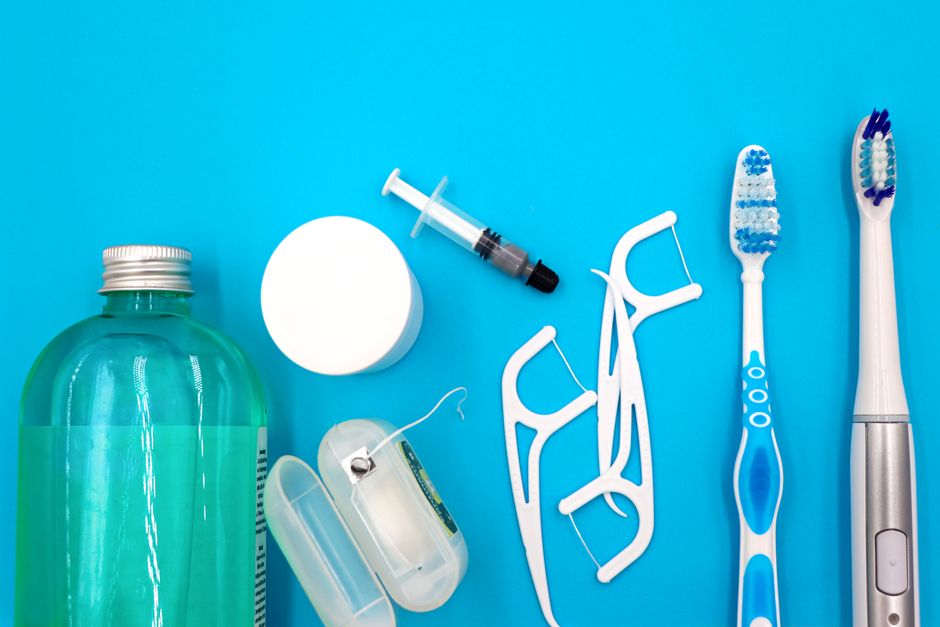
Brushing your teeth with Invisalign attachments requires a slightly different method than standard brushing. You need to brush around each small composite bump on your teeth, not just over them. Use a soft-bristled toothbrush at a 45-degree angle, spending extra time cleaning the edges where the attachment meets your enamel. This prevents plaque buildup and staining that can leave visible marks when your treatment ends.
What Are Invisalign Attachments and Why Do They Matter for Brushing?
Invisalign attachments are small tooth-colored bumps made of dental composite. Your orthodontist bonds them to specific teeth. They act like handles for the aligners to grip onto, helping move teeth more precisely.
These attachments are not part of your natural tooth surface. They have edges and crevices where plaque and food particles collect easily. The American Association of Orthodontists notes that poor oral hygiene during clear aligner treatment is a common reason for complications.
If you brush the same way you did before attachments, you miss these areas. Plaque builds up around the attachment base. Over weeks, this can cause white spots on your enamel or gum inflammation. The attachments themselves can also stain if not cleaned properly.
How To Brush Your Teeth With Invisalign Attachments Step by Step
Start by removing your aligners. Place them in their case or soak them in a cleaning solution. Never brush your teeth with the aligners in your mouth.
Use a soft-bristled toothbrush. Medium or hard bristles can scratch the composite attachments and wear them down over time. Apply a pea-sized amount of fluoride toothpaste.
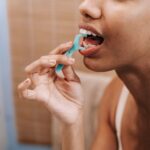
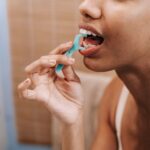
Hold your brush at a 45-degree angle toward the gumline. Brush in small circular motions. When you reach a tooth with an attachment, slow down. Brush the surface above the attachment, then the surface below it. Pay attention to the edges where the attachment meets the tooth.
Spend about 10 seconds on each tooth that has an attachment. Research published in the Journal of Orthodontics found that people with attachments need about 30 percent more brushing time than those without. Do not rush this part.
Brush your tongue and the roof of your mouth. Rinse thoroughly with water. Check your teeth in a mirror. If you see any white or sticky film near an attachment, brush that area again.
What Tools Make Brushing With Attachments Easier
An electric toothbrush with a small round head can help. The oscillating action reaches around attachment edges more effectively than manual brushing for many people. Studies in the Cochrane Database of Systematic Reviews show electric toothbrushes reduce plaque more than manual ones overall.
Interdental brushes are useful. These small brushes fit between teeth and can clean along the attachment edges. Choose the smallest size that slides in without force.
Water flossers are another option. The stream of water can flush out food particles stuck around attachments. Some people find water flossers more comfortable than traditional floss near attachments.
Disclosing tablets can show you where you are missing. Chew one after brushing. Pink or purple stains reveal plaque you left behind. This is especially helpful in the first weeks of treatment when you are learning the new routine.
| Tool | Best For | Evidence Level |
|---|---|---|
| Soft-bristled manual toothbrush | General cleaning around attachments | Strong – ADA recommends soft bristles for all patients |
| Electric toothbrush with small head | Reaching tight spaces around attachments | Strong – Cochrane review supports plaque reduction |
| Interdental brush | Cleaning between teeth with attachments | Moderate – useful for narrow gaps |
| Water flosser | Flushing debris from attachment edges | Moderate – some studies show plaque reduction |
| Disclosing tablets | Identifying missed plaque areas | Strong – widely used in dental education |

What Happens If You Do Not Brush Attachments Properly
Plaque buildup around attachments causes enamel demineralization. This creates white spot lesions that are permanent. A 2021 study in the American Journal of Orthodontics and Dentofacial Orthopedics found that about 15 percent of clear aligner patients develop white spots during treatment. Many of these cases link to poor oral hygiene around attachments.
Gingivitis is another risk. Inflamed gums bleed easily and feel tender. If left untreated, it can progress to periodontitis, which damages the bone supporting your teeth.
Attachments can also stain. Coffee, tea, red wine, and turmeric can discolor the composite material. Once stained, attachments are difficult to clean back to their original color. Your orthodontist may need to replace them if staining is severe.
Bad breath is a common but less serious issue. Food trapped around attachments decomposes and produces odor. Regular thorough brushing prevents this.
Common Mistakes People Make When Brushing With Attachments
Brushing too hard is the most frequent error. People think they need extra pressure to clean around attachments. This actually damages the composite and can scratch your enamel. Use gentle pressure. Let the bristles do the work.
Skipping the edges is another problem. Many people brush the flat surface of the tooth but ignore where the attachment meets the tooth. This is exactly where plaque hides. Run your brush along each edge deliberately.
Not brushing long enough is also common. With attachments, two minutes may not be enough. Time yourself for at least two and a half minutes. Some people need three minutes to clean all surfaces thoroughly.
Some people brush their aligners and teeth together. This does not work well. The aligner blocks access to the attachment edges. Always remove aligners before brushing your teeth.
Rinsing with mouthwash immediately after brushing is a mistake some make. Mouthwash washes away the concentrated fluoride from toothpaste. Wait at least 30 minutes after brushing to use mouthwash. This lets fluoride absorb into your enamel.
How To Care for Your Attachments Between Brushings
Rinse your mouth with water after eating or drinking anything other than plain water. This removes loose food particles before they settle around attachments. Swish for about 30 seconds.
Carry a travel toothbrush and toothpaste. Brush after meals if possible. The American Dental Association recommends brushing at least twice daily, but more frequent brushing is better during aligner treatment.
Avoid sticky and hard foods. Caramel, taffy, and hard candies can pull on attachments or get stuck around them. If you eat these foods, rinse and brush as soon as possible.
Check your attachments weekly in good light. Look for chips, cracks, or discoloration. If an attachment feels rough or looks different, contact your orthodontist. Damaged attachments do not work properly and can delay your treatment.
Do not pick at attachments with your fingernails or tools. This can loosen or break them. If something feels stuck, brush gently or use a water flosser.
Frequently Asked Questions
Can I use an electric toothbrush with Invisalign attachments?
Yes. Electric toothbrushes work well with attachments, especially models with small round heads. Use the same gentle technique as with a manual brush.
How often should I brush my teeth with Invisalign attachments?
Brush at least twice daily and ideally after every meal. Each brushing session should last two to three minutes with attention to attachment edges.
Will my attachments stain if I do not brush properly?
Yes. Attachments can stain from coffee, tea, and other pigmented foods if plaque builds up around them. Regular brushing prevents most staining.
Do I need special toothpaste for Invisalign attachments?
No. Standard fluoride toothpaste is sufficient. Avoid whitening toothpaste with harsh abrasives as they may roughen attachment surfaces.
