
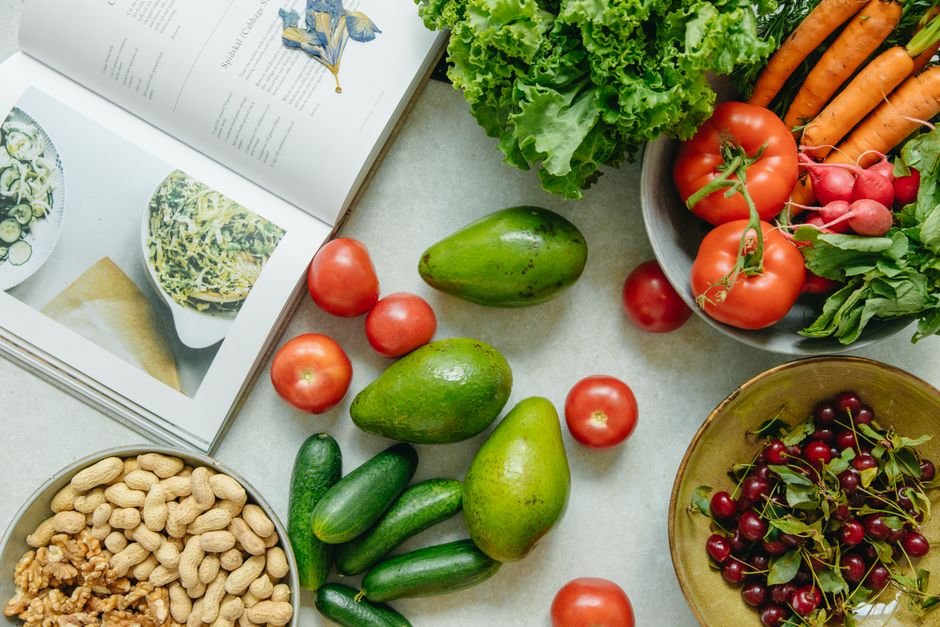
Low hemoglobin can leave you feeling tired, weak, and short of breath. The most common cause is iron deficiency, but other nutrient gaps and health conditions can also play a role. You can bring your hemoglobin up by eating iron-rich foods, pairing them with vitamin C, and using supplements when a doctor confirms a deficiency. Here is what the evidence actually shows about raising hemoglobin through diet and supplements.
What Does Hemoglobin Do and Why Does It Drop?
Hemoglobin is a protein inside red blood cells. Its job is to carry oxygen from your lungs to every tissue in your body. It also carries some carbon dioxide back to the lungs to be exhaled.
When hemoglobin levels fall below normal, your tissues get less oxygen. That is why low hemoglobin often feels like fatigue, weakness, pale skin, cold hands and feet, and dizziness.
Normal hemoglobin ranges vary by age and sex. For adult men, the typical range is 13.5 to 17.5 grams per deciliter. For adult women, it is 12.0 to 15.5 grams per deciliter. These ranges can vary slightly between laboratories.
Iron deficiency is the most common cause of low hemoglobin worldwide. But it is not the only cause. Vitamin B12 deficiency, folate deficiency, chronic kidney disease, thyroid disorders, and bleeding in the digestive tract can all lower hemoglobin. If your hemoglobin is low, a doctor should identify the cause before you start treatment.
How To Bring Up Hemoglobin Foods Supplements Tips: The Core Approach
Raising hemoglobin requires addressing the specific deficiency or condition causing it. For most people, that means increasing iron intake. But how you eat iron matters as much as how much you eat.
There are two types of dietary iron. Heme iron comes from animal sources like red meat, poultry, and fish. Your body absorbs heme iron much more easily. Non-heme iron comes from plant sources like beans, lentils, spinach, and fortified cereals. Your body absorbs non-heme iron less efficiently.
Vitamin C is the most reliable way to improve non-heme iron absorption. Eating citrus fruits, tomatoes, bell peppers, or broccoli alongside iron-rich plant foods can roughly double how much iron your body takes in. This is one of the best-supported strategies in nutrition research.
Some foods and drinks block iron absorption. Coffee, tea, and red wine contain tannins that bind to iron. Calcium also competes with iron for absorption. If you are trying to raise your hemoglobin, avoid drinking coffee or tea within an hour of iron-rich meals. The same applies to taking calcium supplements at the same time as iron.
Best Foods To Raise Hemoglobin
If you need to raise your hemoglobin, focus on foods that deliver iron in forms your body can actually use.
- Red meat, liver, and organ meats — These provide heme iron, which is the most absorbable form.
- Poultry and fish — Good sources of heme iron, though lower than red meat.
- Beans, lentils, and chickpeas — Rich in non-heme iron. Pair with vitamin C to improve absorption.
- Dark leafy greens — Spinach, kale, and Swiss chard contain non-heme iron, but oxalates in spinach can reduce absorption.
- Fortified cereals and oatmeal — Many breakfast cereals are fortified with iron. Check the label for the percentage of daily value.
- Tofu and tempeh — Good plant-based iron sources for vegetarians and vegans.
- Pumpkin seeds, sesame seeds, and cashews — Convenient snacks that add iron to your day.
For vitamin B12 and folate deficiency, the approach is different. Vitamin B12 is found almost exclusively in animal products — meat, fish, eggs, and dairy. Folate is abundant in leafy greens, beans, and citrus fruits. If you follow a strict vegan diet, you may need a B12 supplement because plant foods do not provide enough of this vitamin.
One often-missed point: eating more iron-rich food helps only if you actually have an iron deficiency. If your low hemoglobin comes from kidney disease or B12 deficiency, extra iron will not fix the problem. That is why testing matters before you change your diet.



Iron Supplements: What Works and What Does Not
When diet alone is not enough, iron supplements are the most effective way to raise hemoglobin quickly. Oral iron supplements are the standard first-line treatment for iron deficiency anemia.
Common forms include ferrous sulfate, ferrous gluconate, and ferrous fumarate. All three are effective. Ferrous sulfate is the most widely studied and is usually the cheapest option. The amount of elemental iron in each tablet varies by form, so check the label rather than assuming one tablet equals one standard dose.
Typical adult dosing for iron deficiency is one tablet taken every other day. Research published in recent years suggests that taking iron every other day may actually improve absorption compared to daily dosing. This is because daily iron increases levels of hepcidin, a hormone that blocks iron absorption. Every-other-day dosing keeps hepcidin levels lower, allowing more iron to be absorbed.
Iron supplements commonly cause stomach upset, constipation, nausea, and dark stools. Taking iron with food reduces these side effects but also reduces absorption. Taking it with vitamin C can improve absorption. Do not take iron with calcium, antacids, or tea.
If oral iron does not raise your hemoglobin after a few months, or if you cannot tolerate the side effects, a doctor may consider intravenous iron. IV iron is reserved for specific situations — severe deficiency, ongoing blood loss, or conditions where oral iron is not absorbed well.
Never take iron supplements without a confirmed deficiency. Iron is not a harmless nutrient. Your body has no efficient way to excrete excess iron, and too much can damage the liver, heart, and pancreas. This is especially dangerous for people with hereditary hemochromatosis, a condition where the body absorbs too much iron.
Other Supplements That Matter for Hemoglobin
Iron is not the only nutrient your body needs to make hemoglobin. Three others are essential.
Vitamin B12 is required for red blood cell production. A deficiency causes a specific type of anemia where red blood cells are larger than normal. Vegans, older adults, and people with Crohn’s disease or celiac disease are at higher risk. B12 supplements are highly effective for deficiency, and injections are available for people who cannot absorb oral forms.
Folate (vitamin B9) is also required for red blood cell formation. Deficiency causes the same type of large-cell anemia as B12 deficiency. Folate is found in leafy greens, beans, and citrus. Pregnant women and people with malabsorption conditions are at higher risk.
Vitamin C does not directly raise hemoglobin, but it significantly improves iron absorption from plant sources. Taking vitamin C alongside iron supplements or iron-rich meals is a simple strategy that works.
Some supplements marketed for anemia contain a blend of iron, B12, folate, and vitamin C. These can be convenient, but they are not necessarily better than targeted supplements. If you are deficient in only one nutrient, a single-nutrient supplement is usually sufficient.
How Long Does It Take To Raise Hemoglobin?
Raising hemoglobin takes time. Red blood cells live for about 120 days, and your bone marrow cannot produce new cells faster than its biological limit.
With consistent iron supplementation, most people see hemoglobin begin to rise within 2 to 4 weeks. Full correction of anemia typically takes 2 to 3 months. After hemoglobin returns to normal, doctors usually recommend continuing iron for another 3 months to rebuild iron stores in the body.
If your hemoglobin has not improved after 4 to 6 weeks of treatment, the diagnosis may be wrong, or the cause may be ongoing blood loss. Further evaluation is needed in that case.
Lifestyle Factors That Can Help
Beyond food and supplements, a few lifestyle factors support healthy hemoglobin levels.
Regular exercise stimulates red blood cell production. Your body responds to physical activity by producing more erythropoietin, a hormone that signals the bone marrow to make red blood cells. This effect is modest but real.
Adequate sleep matters because erythropoietin production follows a daily rhythm. Poor sleep quality has been linked to lower hemoglobin in some studies, though the effect size is not well established.
Managing heavy menstrual bleeding is critical for women with recurrent iron deficiency. If your periods are heavy enough to cause anemia, dietary changes alone may not keep up with the blood loss. A gynecologist can help identify the cause and discuss treatment options.
One caution: cooking in cast iron pots can add small amounts of iron to food, especially acidic foods like tomato sauce. This is a real effect, but it is not large enough to treat established anemia on its own. It can be a helpful addition to a broader strategy, not a standalone fix.
When To See a Doctor
Low hemoglobin is a medical finding, not a diagnosis. You should not try to self-treat anemia without knowing why it happened.
See a doctor if you have symptoms of anemia that persist — fatigue, weakness, shortness of breath, pale skin, or an irregular heartbeat. A simple blood test called a complete blood count will confirm whether hemoglobin is low. Additional tests can identify the cause.
Do not assume that fatigue means anemia. Many conditions cause fatigue, including thyroid disorders, depression, sleep apnea, and chronic illness. Testing is the only reliable way to know.
If you are pregnant, follow your obstetrician’s recommendations about iron and prenatal vitamins. Iron needs increase significantly during pregnancy, and routine screening is standard care.
Frequently Asked Questions
What foods raise hemoglobin the fastest?
Red meat, liver, and fortified cereals provide the most absorbable iron per serving. Pair plant sources like lentils or spinach with vitamin C-rich foods to improve absorption.
How long does it take for iron supplements to raise hemoglobin?
Hemoglobin typically starts rising within 2 to 4 weeks of consistent supplementation. Full correction usually takes 2 to 3 months, followed by additional months to rebuild iron stores.
Can you raise hemoglobin without supplements?
Yes, if the deficiency is mild and the cause is dietary. Iron-rich foods combined with vitamin C can raise hemoglobin, but this takes longer than supplements and may not be enough for moderate or severe anemia.
What blocks iron absorption?
Calcium, tea, coffee, and red wine reduce iron absorption. Avoid these within an hour of iron-rich meals or iron supplements to get the most benefit.
