
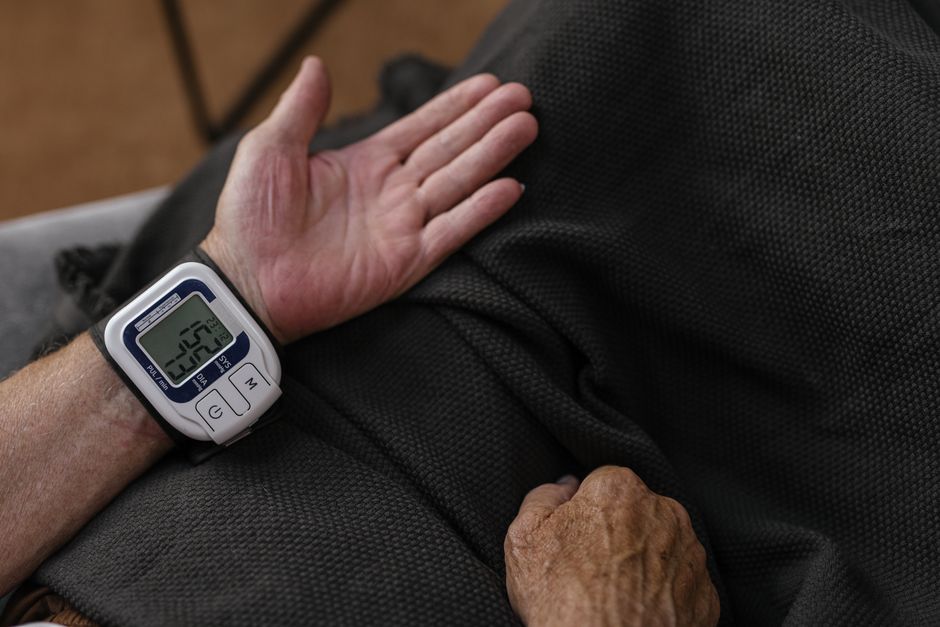
Hemoglobin is measured in a lab by drawing a small sample of blood and running it through an automated analyzer that counts the amount of hemoglobin protein per unit of blood. At home, the closest option is a finger-prick test using a portable device, but these consumer devices are not the same as a clinical lab test and are generally not accurate enough for diagnosing anemia. Understanding what each method actually measures — and where it falls short — helps you make sense of your results.
What Does a Hemoglobin Test Actually Measure?
Hemoglobin is the iron-containing protein inside red blood cells that carries oxygen from your lungs to the rest of your body. A hemoglobin test measures how much of this protein is present in a set volume of blood.
Results are reported in grams per deciliter (g/dL) in the United States. This is a concentration — it tells you how much hemoglobin is packed into each unit of blood, not the total amount in your body.
That distinction matters. Your hemoglobin concentration can drop because you have fewer red blood cells, because each cell carries less hemoglobin, or because your blood plasma volume has changed. All three produce a lower number on the report, but they point to different underlying issues.
A complete blood count (CBC) usually includes hemoglobin along with hematocrit, red blood cell count, and other indices. Hemoglobin is often the single most relied-upon value when a clinician is evaluating whether someone has anemia.
How Is Hemoglobin Measured In A Lab?
In a clinical lab, hemoglobin is measured from a venous blood sample — usually drawn from a vein in your arm — using an automated hematology analyzer. The most common method is called spectrophotometry.
Here is the basic process. A measured amount of blood is mixed with a reagent that breaks open the red blood cells and converts the hemoglobin into a stable colored compound. The analyzer then shines a specific wavelength of light through the sample and measures how much light is absorbed. More hemoglobin means more color, which means more light absorbed.
That absorbance value is converted into a concentration using a calibration curve the instrument has been set against. Modern analyzers run this on hundreds of samples per hour and report results to one decimal place.
Labs also run quality controls at set intervals and participate in proficiency testing programs. This is why a lab hemoglobin result is considered reliable and reproducible — two different labs testing the same sample should get very close to the same number.
The reference range for hemoglobin varies by sex and age. For adult men, a common range is roughly 13.5 to 17.5 g/dL. For adult women, it is roughly 12.0 to 15.5 g/dL. These ranges can shift slightly between labs, so always read the reference range printed on your own report. The World Health Organization uses a threshold of less than 13.0 g/dL for men and less than 12.0 g/dL for non-pregnant women to define anemia.
How Is Hemoglobin Measured At Home?
Home hemoglobin testing falls into two categories: portable finger-prick devices sold for personal use, and prescription home monitoring devices for people with specific conditions.
The consumer devices work similarly to a glucose meter. You prick your finger, place a drop of blood on a test strip, and the device gives a reading within a minute or two. Most use a chemical reaction that produces a color change, which the meter reads electronically.
Here is the honest part: the evidence on consumer hemoglobin devices is limited, and their accuracy is generally not comparable to a lab analyzer. Some studies have found that certain point-of-care devices correlate reasonably well with lab values, while others show meaningful differences — sometimes large enough to change a clinical decision. Results can vary by device, by the batch of test strips, and by how the sample was collected.
This does not mean home testing is useless. It means a home result is a screening signal, not a diagnosis. If a home device shows a low or borderline reading, the appropriate next step is a lab test, not a treatment decision.
There is also a category of FDA-cleared home devices used for specific monitoring purposes, such as for people on certain kidney treatments. These are prescribed and used under clinical supervision. They are not the same as over-the-counter consumer meters.





What Is the Difference Between a Lab Test and a Home Test?
The core difference comes down to sample quality, instrument precision, and calibration.
- Sample source. A lab uses venous blood, which is well-mixed and free of the tissue fluid that can dilute a finger-prick sample. Finger-prick blood can be affected by squeezing the fingertip, which pushes interstitial fluid into the sample.
- Instrument precision. Lab analyzers are calibrated against standards and run frequent quality controls. Consumer devices have wider tolerance ranges.
- Reporting. Lab results come with a reference range and are reviewed by a clinician. Home results are just a number.
- Cost and access. A lab test requires a blood draw, often a doctor’s order, and a wait for results. A home device is faster and more private but less reliable.
One thing many people do not realize: a finger-prick hemoglobin reading can differ from a venous lab value even when both are measured correctly. The difference is usually small, but it is real, and it is one reason home devices are not used to diagnose anemia.
What Can Affect Your Hemoglobin Reading?
Several factors can shift a hemoglobin result up or down without reflecting a true change in your red blood cell status.
Hydration is a big one. If you are dehydrated, your blood is more concentrated, and hemoglobin can read higher. If you are overhydrated, it can read lower. This is why a single reading is rarely interpreted in isolation.
Other factors include:
- Altitude — people living at high altitude normally have higher hemoglobin because their bodies compensate for lower oxygen levels.
- Pregnancy — blood volume increases, which dilutes hemoglobin concentration even when total red cell mass is normal.
- Smoking — chronic exposure to carbon monoxide can raise hemoglobin levels.
- Recent blood loss or transfusion — can change values quickly.
- Certain medications and medical conditions — can affect red blood cell production or destruction.
Timing matters too. Hemoglobin can fluctuate during illness, after surgery, or during menstruation. A single low value does not automatically mean anemia — it means the value should be interpreted in context and often repeated.
When Should You Get a Hemoglobin Test?
A hemoglobin test is typically ordered when a clinician suspects anemia, when you have symptoms like persistent fatigue, shortness of breath, pale skin, or dizziness, or as part of routine blood work.
It is also monitored in people with chronic kidney disease, during chemotherapy, in pregnancy, and in anyone with a condition that can affect red blood cells.
If you are considering a home test, it is reasonable to use it as a general awareness tool — but do not use it to self-diagnose or self-treat. Anemia has many causes, including iron deficiency, vitamin B12 or folate deficiency, chronic disease, and genetic conditions. Each requires a different approach, and some require prompt medical attention.
If a home test shows a low reading, or if you have symptoms that concern you, see a clinician. A lab hemoglobin test plus a few additional tests can usually clarify what is going on.
Frequently Asked Questions
How is hemoglobin measured in a lab?
A lab measures hemoglobin by mixing a blood sample with a reagent and using a spectrophotometer to measure how much light the sample absorbs. The result is reported in grams per deciliter (g/dL).
Can I measure hemoglobin at home accurately?
Home finger-prick devices can give a rough reading, but their accuracy is generally not comparable to a lab test. They are not reliable enough to diagnose anemia on their own.
What is a normal hemoglobin level?
For adult men, a common reference range is about 13.5 to 17.5 g/dL; for adult women, about 12.0 to 15.5 g/dL. Ranges vary slightly by lab, so check the reference range on your own report.
Does a finger-prick hemoglobin test match a lab result?
Not always. Finger-prick samples can be affected by how the blood is collected, and consumer devices have wider tolerance ranges than lab analyzers. A lab test is the standard for diagnosis.
