
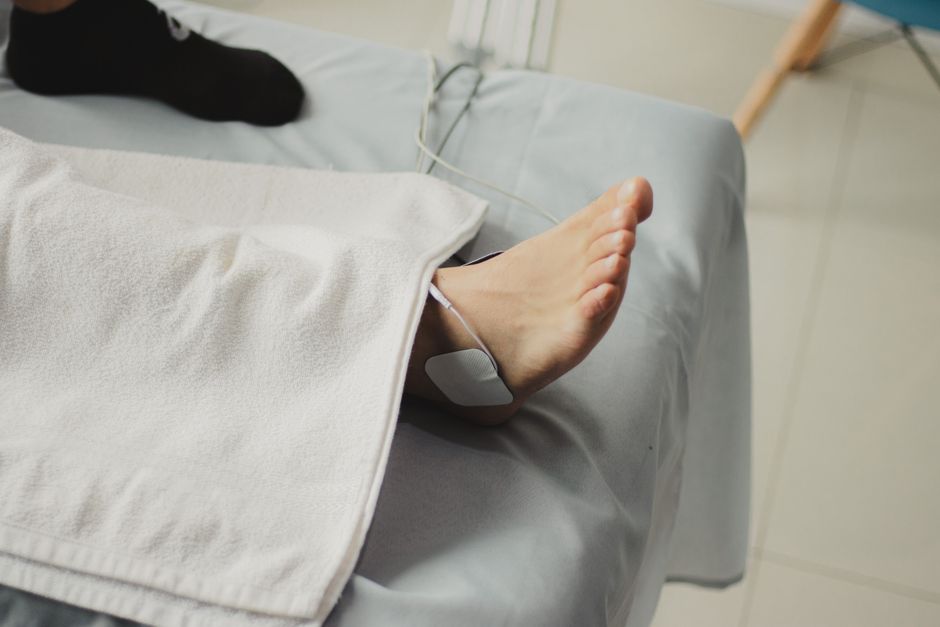
Swelling happens when fluid builds up in your tissues. It can come from an injury, a long flight, or a health condition like arthritis. The fastest way to bring it down depends on the cause. For most everyday swelling, the steps are simple: elevate the area, apply cold, move gently, and watch what you eat. Here is the step-by-step approach that works for common types of swelling.
What Causes Swelling in the First Place?
Your body uses fluid to deliver nutrients and remove waste. When that fluid collects in one spot instead of draining, you get swelling. Doctors call this edema.
Injuries cause swelling because your immune system sends extra fluid and white blood cells to protect the area. This is a normal part of healing. But swelling can also come from sitting too long, eating too much salt, pregnancy, or medical conditions that affect your heart, kidneys, or veins.
Understanding the cause matters. Swelling from a sprained ankle needs a different approach than swelling from a medical condition. If your swelling came on suddenly, affects only one limb, or comes with chest pain or trouble breathing, seek medical care right away.
How To Bring Down Swelling Fast: The Core Steps
The most reliable approach for injury-related swelling follows a sequence. Start with these steps in order.
Step 1: Elevate above the heart. Gravity works in your favor. Prop the swollen area on pillows so it sits higher than your chest. This lets fluid drain back toward your body’s core. Keep it elevated as much as possible for the first 48 hours.
Step 2: Apply cold for short periods. Cold narrows blood vessels, which reduces the amount of fluid leaking into tissues. Use an ice pack wrapped in a thin towel. Apply it for 15 to 20 minutes at a time. Wait at least 2 hours between sessions. Never put ice directly on skin — this can cause frostbite.
Step 3: Compress the area. An elastic bandage or compression sleeve applies gentle pressure. This keeps fluid from pooling. The wrap should feel snug but not tight. If your fingers or toes tingle, turn blue, or feel numb, the wrap is too tight.
Step 4: Move the muscles gently. Muscle contractions act as a pump that pushes fluid through your veins. If you can move the area without pain, do gentle range-of-motion exercises. For a swollen leg, simply flexing and pointing your foot helps. For an arm, open and close your hand slowly.
Step 5: Reduce salt intake. Sodium makes your body hold onto water. For the next few days, avoid processed foods, canned soups, and salty snacks. This step matters most if you already have a condition that causes fluid retention.
How Long Does Swelling Last?
For a minor injury, swelling usually peaks within the first 24 to 48 hours. After that, it should gradually go down over the next few days. Most mild sprains and strains show noticeable improvement within a week.
For swelling from surgery, the timeline is longer. You might see significant swelling for the first week or two. It can take several weeks or months for all the fluid to fully disappear.
Swelling that does not improve after a few days of home care needs medical attention. So does swelling that gets worse despite treatment. If you have heart, liver, or kidney disease and notice new or worsening swelling, contact your doctor. This can signal that your condition needs adjustment.





Over-the-Counter Options That Actually Work
Nonsteroidal anti-inflammatory drugs (NSAIDs) like ibuprofen reduce both pain and swelling. They work by blocking the chemicals that drive inflammation. Follow the dosing instructions on the label. Do not take them if you have stomach ulcers, kidney problems, or a history of bleeding issues. Check with your doctor or pharmacist if you take blood thinners.
Acetaminophen helps with pain but does not reduce swelling. It works through a different pathway in the body. If your main problem is puffiness rather than pain, acetaminophen will not help.
Topical arnica gel is sometimes used for bruising and swelling. The evidence is mixed. Some small studies suggest it may help with bruising after procedures, but larger trials have not confirmed consistent benefits. It is generally safe when applied to unbroken skin.
When Swelling Comes From Sitting or Standing Too Long
Fluid pools in your legs when you stay in one position for hours. This is common on long flights, at desk jobs, or during long car rides. The swelling happens because your calf muscles are not pumping fluid back up to your heart.
The fix is movement. Stand up and walk every hour. If you cannot walk, flex and extend your ankles repeatedly. This activates the calf muscle pump. Compression socks also help by providing external pressure that supports vein function.
This type of swelling usually resolves quickly once you move around. If your legs stay swollen after a night of sleep with them elevated, mention it to your doctor. Persistent leg swelling can point to vein problems or other medical issues.
Natural Approaches: What the Evidence Shows
Some foods and supplements are marketed for reducing swelling. The evidence varies by product.
Potassium-rich foods like bananas, spinach, and avocados help balance sodium levels in your body. Eating them as part of a healthy diet supports normal fluid balance. This is sound physiology, not a quick fix.
Magnesium supplements are sometimes recommended for water retention. Some research suggests they help with premenstrual bloating. The evidence for general swelling is limited. No reliable dosing guideline exists for this purpose.
Quercetin and bromelain are plant compounds with anti-inflammatory properties in laboratory studies. Some research suggests they may reduce swelling after certain procedures. However, human trials are limited, and no standard dosing has been established.
Turmeric and curcumin have shown anti-inflammatory effects in several studies. Results vary depending on the formulation. Standard turmeric powder has low absorption. Supplements with piperine (black pepper extract) absorb better. Still, no large clinical trials have confirmed curcumin as a reliable treatment for acute swelling.
Herbal diuretics like dandelion and parsley increase urine output. They can reduce water weight temporarily. But they also flush out potassium, which can be dangerous. Do not use herbal diuretics if you take prescription diuretics or heart medications.
What Not To Do When You Have Swelling
Some common advice makes swelling worse. Heat is the biggest mistake. Heat increases blood flow, which brings more fluid to the area. Use heat only after the initial swelling has resolved, and only for stiffness — never for active swelling.
Massage can also backfire. Pressing firmly on swollen tissue can damage fragile blood vessels and increase fluid leakage. Very light lymphatic drainage massage performed by a trained therapist may help certain types of swelling, but aggressive massage will not.
Avoid sitting with your legs crossed or hanging down. Both positions make it harder for fluid to drain. Do not wear tight clothing or jewelry near the swollen area. These can act as a tourniquet and trap fluid.
Do not ignore swelling that comes with pain, redness, or warmth in one leg. This combination can signal a blood clot, which requires immediate medical attention. Blood clots are treatable but dangerous if left alone.
When To See a Doctor About Swelling
Some swelling requires professional evaluation. Seek medical care if your swelling:
- Comes on suddenly without an obvious cause
- Affects only one limb and is painful
- Is accompanied by shortness of breath or chest pain
- Does not improve after 3 to 5 days of home care
- Is accompanied by skin that looks red, feels hot, or weeps fluid
- Occurs alongside a fever
Swelling in your face or around your eyes can signal an allergic reaction. If this happens with hives or difficulty breathing, call emergency services. Swelling that develops after starting a new medication also warrants a call to your doctor.
For people with heart failure, kidney disease, or liver disease, any sudden increase in swelling is important. Your medications may need adjustment. Do not try to manage this type of swelling on your own with dietary changes alone.
Frequently Asked Questions
How long should I ice a swollen area?
Apply ice for 15 to 20 minutes at a time, with at least 2 hours between sessions. Never apply ice directly to your skin.
Does elevation really help reduce swelling?
Yes. Elevating the swollen area above heart level lets gravity drain excess fluid back toward your body’s core.
Can I take ibuprofen for swelling?
Ibuprofen and other NSAIDs reduce swelling by blocking inflammatory chemicals. Check with your doctor first if you have stomach, kidney, or bleeding issues.
Is walking good for a swollen ankle?
Gentle movement helps pump fluid out of the area, but avoid walking if it causes significant pain. Rest and elevation matter most in the first 48 hours.
