
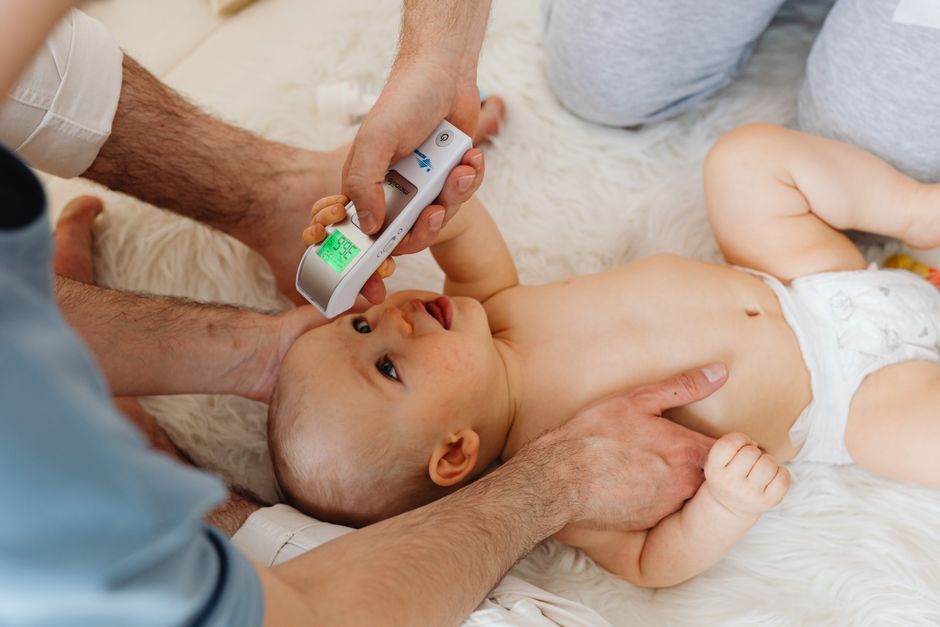
A fever is not the illness. It is your immune system turning up the heat on purpose. Most fevers in adults and older children are uncomfortable but not dangerous, and the goal at home is to keep the person comfortable and hydrated while the body does its job. You can bring down a fever naturally at home with rest, fluids, light clothing, and careful monitoring — and by knowing when a fever needs medical attention instead of a home remedy.
What Is a Fever, and Why Does Your Body Raise It?
A fever is a temporary rise in body temperature above the normal range. Normal body temperature sits around 98.6°F (37°C), though it drifts during the day and varies from person to person. Most clinicians define a fever as a temperature of 100.4°F (38°C) or higher.
Fever happens when your immune system releases chemicals that tell the brain’s thermostat — a region called the hypothalamus — to raise the body’s set point. Your body then feels cold and starts shivering to generate heat. This is a controlled response, not a malfunction. Many bacteria and viruses reproduce less efficiently at higher temperatures, and fever is part of how the immune system fights infection.
That is why the fever itself is usually not the enemy. The underlying infection is what matters. A fever is a signal, and treating the signal without watching the cause is a mistake.
One clarification worth knowing: how high a fever climbs does not reliably tell you how serious the illness is. A mild fever can accompany a serious infection, and a higher fever can come from a routine virus. How the person looks and acts matters more than the number on the thermometer.
How To Bring Down A Fever Naturally At Home
These steps focus on comfort and safety. None of them “cure” the infection. They help the body manage the fever while it recovers.
- Push fluids. Fever increases fluid loss through sweat and faster breathing. Water, broth, and oral rehydration solutions help prevent dehydration. Urine that is pale yellow is a reasonable sign of adequate hydration.
- Dress lightly. Remove extra blankets and heavy clothing. Let the body release heat. Do not bundle a feverish person up to “sweat it out” — that traps heat and can raise the temperature further.
- Rest. Sleep and reduced activity support recovery. The body is spending energy on fighting infection.
- Keep the room comfortable. A room that is too warm makes it harder for the body to shed heat. A fan moving air can help, as long as it is not blowing directly on a chilled, shivering person.
- Try a lukewarm sponge bath. If a person is very uncomfortable, wiping the skin with lukewarm water can help them feel better. Never use cold water or ice — it causes shivering, which generates heat and can raise the core temperature.
Do not use alcohol rubs. Alcohol absorbed through the skin can be toxic, especially in children. This is an old remedy that should be retired.
Does Starving a Fever Actually Help?
No. The old saying “starve a fever, feed a cold” has no good evidence behind it. The body needs energy and fluids to fight infection. A person with a fever may not feel hungry, and that is fine — forcing a large meal is not necessary. But restricting food on purpose does not help and may work against recovery.
Offer light, easy-to-eat foods if the person is hungry. Broth, toast, fruit, and simple meals are reasonable. The priority is fluids. Appetite usually returns as the fever settles.




When Should You Worry About a Fever?
Most fevers in healthy adults and older children can be managed at home. Some situations call for medical care rather than home remedies. Seek medical attention if any of these apply:
- An infant under 3 months has a temperature of 100.4°F (38°C) or higher — this is a medical emergency and needs immediate evaluation.
- A fever lasts more than a few days, or keeps returning after it breaks.
- The fever comes with a stiff neck, severe headache, confusion, difficulty breathing, a rash that does not fade when pressed, or repeated vomiting.
- The person is very drowsy, hard to wake, or has a seizure.
- The person has a weakened immune system, a serious chronic illness, or is pregnant.
For children, age matters a great deal. A fever in a newborn is handled very differently from a fever in a school-age child. When in doubt about a young child, call a clinician rather than waiting.
These thresholds and warning signs reflect widely accepted clinical guidance. They are not a substitute for a professional assessment of the individual.
Should You Treat a Fever or Let It Run?
This is where people often get confused. Fever is part of the immune response, so some people argue it should be left alone. Others reach for medicine at the first degree. The evidence does not strongly favor one approach for every case.
The practical position most clinicians take: treat the fever if the person is very uncomfortable, and otherwise focus on comfort and hydration. There is no strong evidence that lowering a fever with standard fever-reducing medication prolongs an ordinary infection in a meaningful way, and there is also no strong evidence that letting a moderate fever run shortens it. The decision is mostly about comfort and safety.
This article is about natural home measures. Fever-reducing medications such as acetaminophen and ibuprofen are common and effective for discomfort, but they carry dosing risks, especially in children, and should be used according to product instructions or a clinician’s guidance. They are not “natural,” but they are not the enemy either. The right choice depends on the person.
What About Cold Compresses and Other Home Remedies?
Some home remedies help and some do not. It helps to know which is which.
A lukewarm cloth on the forehead or neck can feel soothing. It will not dramatically lower core temperature, but comfort matters. Cold packs, ice baths, and cold water sponging are different — they trigger shivering and can make things worse. Skip them.
Over-the-counter and herbal products marketed for fever vary widely. Some, like certain teas, are simply warm fluids that support hydration. Others make claims that no clinical evidence supports. If a product promises to “break” a fever quickly or “boost immunity,” treat that as marketing until proven otherwise. No supplement has been shown in large human trials to reliably shorten a fever.
Hydration remains the single most useful home measure. It is unglamorous, but it is the one that consistently matters.
How Do You Measure a Fever Accurately?
Accurate measurement matters because the number guides decisions. Different methods give slightly different readings.
Rectal temperature is considered the most accurate, particularly in infants and young children. Oral thermometers are reliable in older children and adults who can hold them still. Ear and forehead thermometers are convenient but can be less precise if not used correctly. Follow the device instructions and give the reading context.
Take the temperature when the person is calm. Recent hot drinks, exercise, or a hot bath can nudge a reading upward. If a reading seems off, recheck it before acting on it.
The Bottom Line on Home Fever Care
Most fevers are a normal immune response and resolve as the underlying infection clears. At home, the priorities are fluids, rest, light clothing, and a comfortable room. Avoid cold water, ice, and alcohol rubs. Watch how the person looks and acts, not just the thermometer. And know the warning signs that mean it is time to call a clinician — especially for infants, young children, pregnant people, and anyone with a weakened immune system.
Fever is a signal, and paying attention to it is smart. Panicking about the number is not.
Frequently Asked Questions
How can I bring down a fever without medicine?
Focus on fluids, rest, light clothing, and a comfortable room temperature. A lukewarm sponge bath can add comfort, but avoid cold water and ice, which can cause shivering and raise core temperature.
What temperature is considered a fever?
A fever is generally defined as a temperature of 100.4°F (38°C) or higher. Normal body temperature is around 98.6°F (37°C) but varies through the day and between people.
Is it safe to let a fever run its course?
For most healthy adults and older children, a moderate fever can be managed at home while the body fights the infection. Treat the fever for comfort if the person is very uncomfortable, and seek medical care if warning signs appear.
When should I see a doctor for a fever?
Seek care for an infant under 3 months with a temperature of 100.4°F (38°C) or higher, a fever lasting more than a few days, or any fever with a stiff neck, confusion, trouble breathing, a rash that does not fade when pressed, or a seizure.
