
You can’t turn back the clock on your metabolism, but you can work with the body you have now. After 50, metabolism slows for two main reasons: you lose muscle mass, and you become less active. The most effective natural response is to build and keep muscle through strength training and to eat enough protein to support it. Sleep, daily movement, and steady eating habits also matter. No pill or tea changes this. The levers that work are the ordinary ones, applied consistently.
Why Does Metabolism Slow Down After 50?
Most of the slowdown comes from losing muscle, not from a mysterious switch flipping at age 50. Muscle burns more energy at rest than fat does. When muscle shrinks, your resting energy needs shrink with it.
Adults lose muscle mass gradually with age, a process called sarcopenia. It speeds up if you’re inactive, if you eat too little protein, or both. By the time many people reach their 50s and 60s, they’ve quietly lost enough muscle that their daily calorie needs are lower than they were at 40.
Activity usually drops too. Fewer steps, less lifting, more sitting. That lowers the “movement” part of your daily energy use.
There’s a third piece people often miss. Some research suggests that energy burned at rest declines with age even after accounting for muscle and activity. A study published in Science in 2021 found that metabolism stays fairly stable through midlife and only begins a steady decline around age 60. That’s later than many people assume. So if you’re in your early 50s and gaining weight, the muscle loss and lower activity are usually the bigger story, not a sudden metabolic collapse.
The practical takeaway: the levers you can pull are muscle, movement, and food. The ones you can’t are age and genetics. Focus on the first group.
How To Boost Your Metabolism After 50 Naturally?
The single most effective natural strategy is resistance training. Lifting weights, using resistance bands, or doing bodyweight strength work builds muscle, and muscle raises your resting energy use. This is the closest thing to a real metabolism boost that exists.
It works because muscle is metabolically active tissue. More muscle means you burn slightly more calories around the clock, even at rest. The effect per pound of muscle is modest, so don’t expect dramatic changes. But over months and years, preserving muscle is what keeps your daily energy needs from sliding.
Government physical activity guidelines recommend muscle-strengthening activities on at least two days a week for adults. That’s the floor, not the ceiling. Many people do well with two to three sessions weekly, working the major muscle groups: legs, back, chest, shoulders, arms, and core.
You don’t need a gym. Bodyweight squats, push-ups (or wall push-ups), rows with a band, and carrying groceries all count. The key is progressive effort. Muscles respond to being challenged. If a weight or movement feels easy, you need a slightly harder version.
Pair strength work with aerobic activity. Guidelines call for at least 150 minutes of moderate activity per week, or 75 minutes of vigorous activity. Walking briskly, cycling, and swimming all count. Aerobic exercise burns calories during the activity and supports heart and metabolic health. It doesn’t build much muscle on its own, which is why strength training is the centerpiece.
One clarification worth making: cardio alone rarely offsets age-related muscle loss. People who only walk or cycle often preserve their heart health but still lose muscle. The combination is what works.
How Much Protein Do You Need After 50?
Protein needs rise with age, not fall. Older adults are less efficient at using protein to build muscle, a phenomenon researchers call anabolic resistance. That means you likely need more protein than a younger adult of the same weight to get the same muscle-building response.
General guidance for healthy older adults often lands around 1.0 to 1.2 grams of protein per kilogram of body weight per day. For a 150-pound (about 68 kg) person, that’s roughly 68 to 82 grams daily. Some researchers studying muscle preservation in older adults suggest going somewhat higher, but there is no single official number for this group, and needs vary with health conditions.
Spread protein across meals rather than loading it all at dinner. Muscle-building seems to respond better to protein eaten in several moderate portions through the day. A common target is roughly 25 to 30 grams per meal, though this is a general research-based figure, not a formal guideline.
Good sources include:
- Fish, chicken, and lean meat
- Eggs and dairy
- Beans, lentils, and soy foods like tofu
- Greek yogurt and cottage cheese
If you have kidney disease, talk to your doctor before raising protein intake. Protein needs are different for people with reduced kidney function, and this is a case where general advice doesn’t apply.



Does Eating More Often or Less Often Help?
Meal timing matters less than total intake, but a few patterns are worth understanding. Skipping meals doesn’t “boost” metabolism. In fact, long gaps without food can make it harder to hit your protein target and can lead to overeating later.
The idea that eating small frequent meals “stokes your metabolic fire” is a popular claim that hasn’t held up well in research. Total calories and protein intake matter more than how many times you eat. Some studies suggest that the energy cost of digesting food is slightly higher when calories are spread across more meals, but the difference is small and not a reliable weight-management strategy.
What does matter is consistency. Regular meals make it easier to get enough protein and to avoid the large evening portions that often follow a skipped lunch. For most people, three balanced meals with protein at each is a practical structure.
One more point on very low-calorie diets: cutting calories too aggressively can accelerate muscle loss. If you’re trying to lose weight after 50, a moderate deficit combined with strength training and adequate protein protects muscle better than a crash diet. Rapid weight loss often includes muscle, which works against your metabolism goals.
Does Sleep Affect Metabolism?
Yes. Short sleep and poor sleep quality are linked to changes in appetite hormones and to weight gain over time. Research consistently shows that people who regularly sleep too little tend to eat more and are more likely to gain weight.
The mechanisms are well described. Sleep deprivation raises ghrelin, a hormone that increases hunger, and lowers leptin, a hormone that signals fullness. It also tends to increase cravings for high-calorie foods and can reduce motivation to exercise.
Most adults need seven to nine hours of sleep per night. If you’re consistently getting less, improving sleep is a legitimate part of any metabolism strategy, even though it doesn’t “boost” metabolism in a direct sense. It removes a factor that works against you.
Sleep also matters for muscle recovery. Strength training breaks down muscle; recovery and sleep are when it rebuilds. Poor sleep can blunt the results of an otherwise good training program.
What About Metabolism “Boosters” and Supplements?
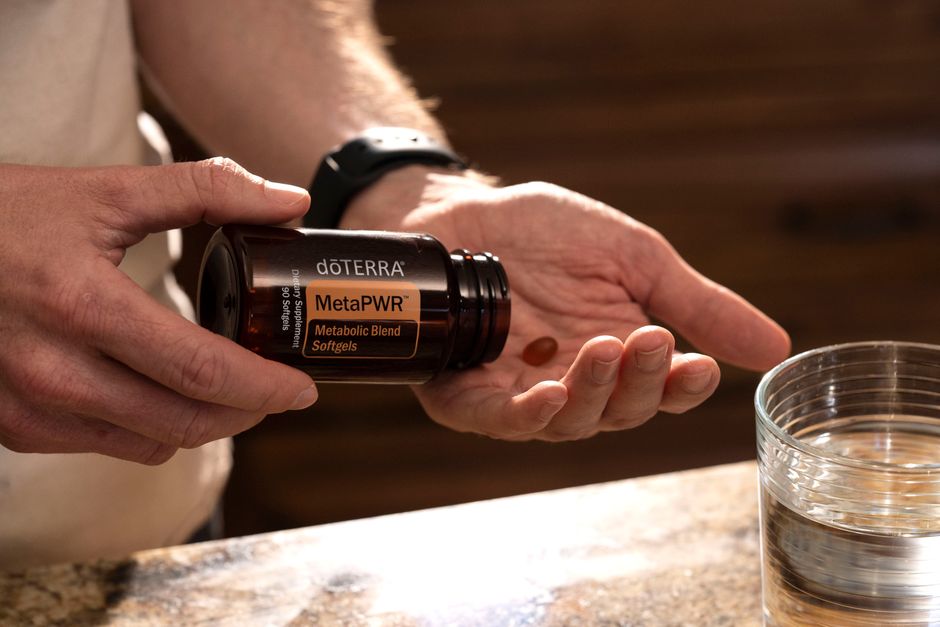
Most products sold as metabolism boosters don’t have strong evidence behind them. Green tea extract, caffeine, and a few other compounds have shown small effects on energy expenditure in some studies, but the effects are minor and often temporary. No supplement has been shown to produce meaningful, lasting metabolic change in humans.
Be cautious with stimulant-based fat burners. They can raise heart rate and blood pressure, and some have been linked to serious adverse events. The risks are real, and the benefits are not established.
There’s also a category of products marketed to “balance hormones” or “reset metabolism.” These claims are not supported by clinical evidence. Hormones do affect metabolism, but no over-the-counter product has been shown to safely and effectively change them in a way that boosts metabolic rate.
If you suspect a medical issue is affecting your weight or energy — such as thyroid problems — that’s worth a conversation with your doctor. Thyroid conditions are common and treatable, and they’re diagnosed with blood tests, not supplements.
What Else Actually Moves the Needle?
Beyond strength training and protein, a few habits have solid support. Daily movement counts more than formal exercise alone. Standing, walking, and taking the stairs all add up. Some research suggests that people who move frequently throughout the day burn meaningfully more energy than those who sit for long stretches, even when total exercise time is similar.
Alcohol is worth an honest look. It adds calories and can disrupt sleep, and heavy drinking is linked to poorer muscle maintenance. Cutting back often helps without any other change.
Stress and chronic poor health affect energy and eating patterns too. These are harder to measure, but managing stress supports the habits that do the heavy lifting.
Finally, be patient with the timeline. Muscle takes weeks to months to build, and changes in resting energy use are gradual. The people who see results are usually the ones who keep showing up. There’s no shortcut that beats consistent strength work, enough protein, decent sleep, and daily movement.
Frequently Asked Questions
Can you actually boost your metabolism after 50?
You can’t reverse age-related decline, but you can raise your resting energy use by building and keeping muscle. Strength training is the most reliable way to do this naturally.
What is the fastest way to boost metabolism after 50?
There is no fast fix. Resistance training two or more days a week, combined with adequate protein, is the most effective approach and takes weeks to months to show results.
Does walking help your metabolism after 50?
Walking burns calories and supports heart health, but it doesn’t build much muscle on its own. Pair it with strength training for the biggest effect on resting metabolism.
Do metabolism booster supplements work?
No supplement has been shown to produce meaningful, lasting metabolic change in humans. Some stimulant products carry real risks to heart rate and blood pressure.
