
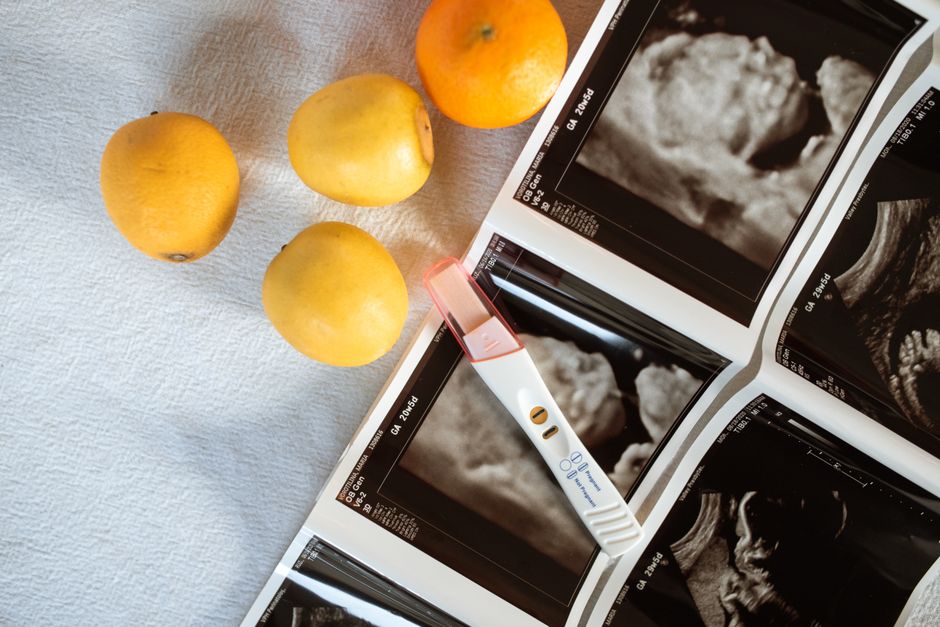
Fertility is not something you control completely, but your daily choices shape it more than most people realize. Diet, exercise, sleep, and stress all influence hormone balance and egg and sperm quality. The evidence is strongest for maintaining a healthy weight, eating a Mediterranean-style diet, and avoiding smoking and excess alcohol. These steps do not guarantee pregnancy, but they create the best biological conditions for it.
How To Boost Fertility Naturally Diet Lifestyle More
Start with the basics that have real research behind them. A balanced diet with plenty of vegetables, fruits, whole grains, healthy fats, and lean protein supports hormone production and egg quality. Regular moderate exercise helps with weight management and insulin sensitivity, both of which matter for ovulation. Getting enough sleep and managing stress keeps cortisol levels in check, which protects the hormonal system that drives reproduction.
Smoking is one of the clearest fertility risks. Studies consistently show that smoking damages eggs and sperm DNA. Quitting is one of the most effective steps you can take. Heavy alcohol use also reduces fertility in both men and women. The evidence on light drinking is less clear, but many fertility specialists recommend limiting alcohol while trying to conceive.
What Foods Help With Fertility
The Mediterranean diet has the strongest evidence for fertility benefits. This eating pattern emphasizes olive oil, fish, nuts, legumes, whole grains, and plenty of produce. Research suggests it improves ovulation rates in women and sperm quality in men.
Specific nutrients matter more than any single food. Folic acid is essential for preventing neural tube defects and supports healthy egg development. The recommended daily amount for women trying to conceive is 400 to 800 micrograms. Iron from plant sources like beans and spinach has been linked to lower risk of ovulatory infertility. Omega-3 fatty acids from fish support hormone production and reduce inflammation.
Full-fat dairy shows an interesting pattern in the research. Some studies suggest that low-fat dairy may slightly increase the risk of ovulatory infertility, while full-fat dairy appears neutral or slightly protective. The evidence is not strong enough to make a firm recommendation, but choosing full-fat yogurt or milk over skim versions is reasonable if you enjoy dairy.
Limit trans fats and highly processed foods. Trans fats interfere with insulin sensitivity and increase inflammation, both of which can disrupt ovulation. Processed meats and sugary drinks show weaker fertility outcomes in observational studies.
How Weight Affects Fertility
Body weight has a direct effect on hormone balance. Fat tissue produces estrogen, and too much or too little of it disrupts the menstrual cycle. Women with a body mass index above 30 or below 18.5 often experience irregular ovulation. Men with obesity tend to have lower testosterone and poorer sperm quality.
Weight loss of even 5 to 10 percent can restore ovulation in some women with obesity. This is one of the most effective fertility interventions available. It often works faster than fertility medications for women with polycystic ovary syndrome, the most common cause of ovulatory infertility.
Being underweight carries its own risks. Women with very low body fat often stop ovulating entirely. This is common in athletes and women with restrictive eating patterns. Gaining weight to a healthy range usually restores normal cycles within a few months.
For men, weight loss improves sperm count and motility. The effect appears related to better temperature regulation in the scrotum and improved hormone profiles.





What Exercise Helps Fertility
Moderate exercise supports fertility. Walking, swimming, cycling, and yoga all count. The goal is about 150 minutes of moderate activity per week, which matches general health recommendations.
Extreme exercise can work against you. Women who train intensely for endurance events often develop irregular or absent periods. This happens because intense training suppresses the hormones that trigger ovulation. The effect reverses when training intensity decreases.
Men who exercise moderately have better sperm parameters than sedentary men. However, very intense training, especially cycling for long hours, may raise scrotal temperature and temporarily reduce sperm quality. The effect is reversible with rest.
Listen to your body. If your periods become irregular after increasing exercise intensity, back off. If you have not exercised in years, start slowly and build up gradually.
How Stress Affects Fertility
Stress does not directly cause infertility, but it can interfere with the process. High stress levels are associated with longer time to conception in some studies. The mechanism involves cortisol, which can suppress reproductive hormones when chronically elevated.
Cognitive behavioral therapy and mindfulness-based stress reduction show the most promise for improving pregnancy rates. One well-known study from Harvard found that women who participated in a mind-body program had higher pregnancy rates than those who did not. The program included relaxation techniques, cognitive restructuring, and group support.
Yoga specifically designed for fertility has become popular. The evidence for it is mixed but generally positive for stress reduction. There is no evidence that any particular yoga pose improves fertility directly.
Do not add stress about reducing stress to your list of worries. Gentle activities that you enjoy are more valuable than a strict stress-reduction regimen that feels like another chore.
Can Supplements Boost Fertility
A few supplements have evidence behind them. Coenzyme Q10 shows promise for improving egg quality in women over 35 and sperm motility in men. The evidence comes from small studies, and the optimal dose is not firmly established. Some research suggests 200 to 600 milligrams daily, but this is not a standardized recommendation.
Vitamin D deficiency is common and has been linked to lower fertility. Testing your levels is reasonable, and correcting a deficiency is safe. The evidence that vitamin D supplementation improves fertility in women with normal levels is weak.
Zinc and selenium are important for sperm production. Men with low levels of these minerals may benefit from supplementation, but most men get enough from diet alone.
Be cautious with herbal supplements. Many are marketed for fertility with no clinical evidence. Some can interfere with hormones or interact with medications. Chasteberry, also called vitex, has some traditional use for menstrual irregularities, but clinical trials are limited and results are inconsistent.
No supplement replaces a healthy diet or treats a diagnosed fertility problem. If you are considering supplements, discuss them with your doctor first.
How Age and Timing Matter
Fertility declines with age for both men and women, but the effect is more dramatic in women. A woman’s egg supply is fixed at birth, and both the quantity and quality of eggs decrease with age. The decline becomes noticeable in the early 30s and accelerates after 35.
Male fertility also declines with age, but more gradually. Sperm count, motility, and DNA integrity all decrease as men age. The effect on pregnancy rates is smaller than in women, but it is real.
Timing intercourse matters. The fertile window is about six days each cycle, ending on the day of ovulation. Sperm can survive in the reproductive tract for up to five days, so having intercourse every two to three days throughout the cycle maximizes the chance of conception without adding pressure.
Ovulation predictor kits detect the surge in luteinizing hormone that occurs 24 to 36 hours before ovulation. They are useful for timing intercourse, but they are not necessary if you have regular cycles and are having sex regularly.
What About Men Specifically
Sperm quality responds to lifestyle changes within about three months. This is the length of the sperm development cycle. Men who improve their diet, lose weight, stop smoking, and reduce alcohol intake often see measurable improvements in sperm parameters.
Heat exposure matters. Tight underwear, hot tubs, saunas, and laptops on the lap can raise scrotal temperature and temporarily reduce sperm production. Wearing loose underwear and avoiding prolonged heat exposure are simple preventive measures.
Lubricants can affect sperm motility. Many commercial lubricants contain ingredients that slow sperm movement. Fertility-friendly lubricants are available, and some studies show they are less harmful to sperm. If you are using any lubricant and having trouble conceiving, switching to a fertility-friendly brand is a low-cost change.
When To See A Doctor
Do not wait indefinitely before seeking help. Women under 35 should see a doctor after one year of trying without success. Women over 35 should seek help after six months. Women over 40 should consider seeking help immediately, since time matters more as age increases.
Men should have a semen analysis as part of the initial fertility workup. Male factors contribute to about half of all infertility cases. A simple semen analysis can identify issues with sperm count, motility, or shape.
See a doctor sooner if you have irregular periods, a history of pelvic infection, prior abdominal surgery, or a known condition like endometriosis or polycystic ovary syndrome. Painful periods, a history of miscarriage, or a partner with known fertility issues also warrant earlier evaluation.
Frequently Asked Questions
How long does it take for lifestyle changes to improve fertility?
Women may notice more regular cycles within a few months of weight loss and diet changes. Men typically see sperm quality improvements after about three months, which is the length of the sperm development cycle.
Can caffeine affect fertility?
Moderate caffeine intake under 200 milligrams per day, about one to two cups of coffee, does not appear to affect fertility. High intake above 500 milligrams daily has been linked to longer time to conception in some studies.
Does age affect male fertility?
Yes, but more gradually than in women. Sperm count and quality decline with age, and the risk of genetic abnormalities in offspring increases slightly, particularly after age 40.
Is it better to have sex every day or every other day when trying to conceive?
Every day or every other day during the fertile window is equally effective. Sperm survive in the reproductive tract for several days, so regular intercourse throughout the cycle is more important than perfect timing.
