
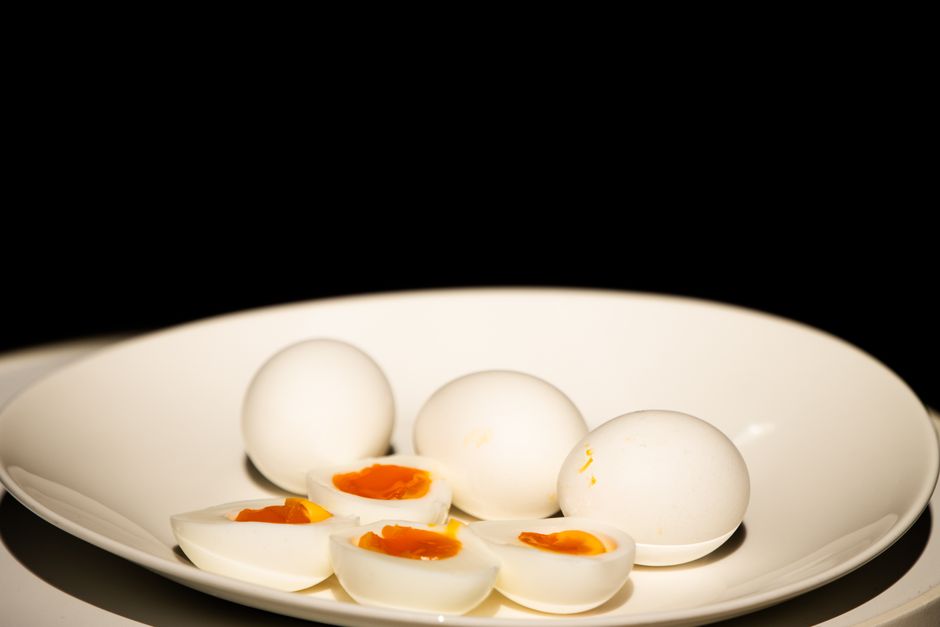
Boiling eggs sounds simple, but getting a perfect hard-boiled egg — one that peels cleanly and has a fully cooked, bright yellow yolk — takes a little technique. The basic method is straightforward: place eggs in a pot, cover with cold water, bring to a boil, remove from heat, cover, and let sit for 9-12 minutes depending on your preferred yolk texture. Plunge them into an ice bath immediately after to stop the cooking process and make them easier to peel.
What Is the Best Method for Hard-Boiling Eggs?
The most reliable method is often called the “cold start” method. Place your eggs in a single layer at the bottom of a saucepan. Add enough cold water to cover the eggs by about one inch. Bring the water to a full rolling boil over high heat.
Once the water is boiling rapidly, turn off the heat entirely and cover the pot with a lid. Let the eggs sit in the hot water — not on the burner — for the recommended time. This gentle cooking method prevents the whites from becoming rubbery and reduces the chance of the eggs cracking from violent boiling.
How Long Do You Boil Eggs for Hard-Boiled?
Timing depends on the size of your eggs and your desired yolk consistency. Large eggs are the standard for most recipes and timing guides.
- 9-10 minutes: Fully set whites with a yolk that is just cooked through but still moist and slightly creamy in the center.
- 11-12 minutes: Completely firm yolk with no softness. This is the classic hard-boiled egg for egg salad or deviled eggs.
- 13+ minutes: Overcooked. The yolk develops a greenish-gray ring and the white can take on a rubbery, chalky texture.
The green ring on an overcooked yolk is a chemical reaction between sulfur in the white and iron in the yolk. It is harmless but indicates the egg was cooked too long. If you see it, reduce your resting time by a minute or two next time.
At high altitude, water boils at a lower temperature. You may need to add 1-2 minutes to the resting time to achieve the same result.
Why Do Some Hard-Boiled Eggs Peel Easily and Others Do Not?
Peeling difficulty is one of the most common frustrations with hard-boiled eggs. The issue comes down to the membrane that sits between the shell and the egg white. In fresh eggs, this membrane clings tightly to the white. As an egg ages, the contents shrink slightly and the membrane begins to separate from the shell, making older eggs easier to peel.
This is why many cooks recommend using eggs that are 7-10 days old for hard-boiling rather than farm-fresh eggs. Fresh eggs are excellent for frying and poaching, but they are the hardest to peel after boiling.
The ice bath also plays a role. Shocking the eggs in cold water causes the proteins in the white to contract slightly, pulling away from the membrane. This step improves peelability and stops the cooking process instantly.





How To Boil Eggs Hard-Boiled Eggs: Step-by-Step
Here is the complete process from start to finish.
Step 1: Place eggs in a single layer in a saucepan. Do not overcrowd the pot. If you are cooking more than six eggs, use a larger pot so they do not bump into each other.
Step 2: Cover with cold water. The water should sit about one inch above the tops of the eggs. Starting with cold water helps the eggs heat gradually, which reduces cracking.
Step 3: Bring to a rolling boil over high heat. Do not walk away. This usually takes 8-10 minutes depending on your stove and pot.
Step 4: Remove the pot from the heat and cover it with a lid. Set a timer immediately.
Step 5: When the timer goes off, drain the hot water and carefully transfer the eggs to a bowl of ice water. Leave them in the ice bath for at least 5-10 minutes. This cools them completely and makes peeling much easier.
Step 6: Gently tap the egg on a hard surface to crack the shell, then roll it between your hands to loosen the shell. Peel under running water to help wash away any small shell fragments.
Does Adding Salt or Vinegar to the Water Help?
Adding salt or vinegar to the boiling water is a common kitchen practice, but the effects are often overstated.
Salt can help coagulate egg whites faster. If an egg cracks during cooking, the salt helps the white set quickly and seal the crack, reducing the amount of white that leaks out. Some research also suggests that salt water makes eggs slightly easier to peel, though the effect is modest.
Vinegar serves a different purpose. The acid helps dissolve some of the calcium carbonate in the shell, which can make the shell thinner and easier to peel. It also helps egg whites coagulate faster if a shell cracks. However, too much vinegar can give the eggs a slight vinegary taste.
Neither ingredient is necessary for a successful batch. The ice bath and egg age have a much larger impact on peelability than anything you add to the water.
Is It Safe to Eat Hard-Boiled Eggs Left at Room Temperature?
No. Cooked eggs should not sit at room temperature for more than two hours. Bacteria can multiply rapidly at temperatures between 40°F and 140°F, which is the danger zone for foodborne illness.
Hard-boiled eggs should be refrigerated within two hours of cooking. When stored properly in the refrigerator, they will keep for up to one week. Keep them in their shells until you are ready to eat them. Once peeled, they should be consumed within a day or two.
If you are taking hard-boiled eggs to work or on a picnic, pack them in a cooler with an ice pack. Do not leave them in a car or on a counter for extended periods.
Can You Reboil Hard-Boiled Eggs?
If your eggs came out undercooked with runny yolks, you might be tempted to put them back in the pot. This is not recommended.
Reboiling eggs changes their texture. The whites become rubbery and the flavor can become sulfurous. The eggs are safe to eat, but the quality will be poor. It is better to accept the softer yolk or use the eggs in a recipe where the yolk texture does not matter, such as mashing them into egg salad.
If you are consistently getting undercooked eggs, your resting time is too short. Add one to two minutes next time rather than trying to fix the current batch.
Are Brown Eggs Different From White Eggs for Boiling?
The shell color has no effect on cooking time, taste, or nutrition. Brown eggs come from chickens with red feathers and red earlobes, while white eggs come from chickens with white feathers and white earlobes. The nutritional content of the eggs depends on what the hens are fed, not the color of the shell.
The age of the egg matters more than the color. Older eggs peel more easily regardless of whether they are brown or white. If you have a choice, select eggs with a later sell-by date if you plan to hard-boil them within a few days.
Frequently Asked Questions
How long should hard-boiled eggs sit in cold water after boiling?
Leave them in the ice bath for at least 5-10 minutes. This stops the cooking process and makes the eggs significantly easier to peel.
Why do my hard-boiled eggs have a green ring around the yolk?
The green ring comes from cooking the eggs too long or at too high a temperature. It is harmless and safe to eat, but it means the eggs were slightly overcooked.
Should eggs be at room temperature before boiling?
Cold eggs straight from the refrigerator work fine with the cold-start method. Room temperature eggs are only necessary for recipes that require them, such as some baking applications.
How can I tell if a hard-boiled egg is done without cutting it open?
Spin the egg on a flat surface. A fully cooked egg spins smoothly and quickly, while a raw or undercooked egg wobbles because the liquid inside shifts around.
