
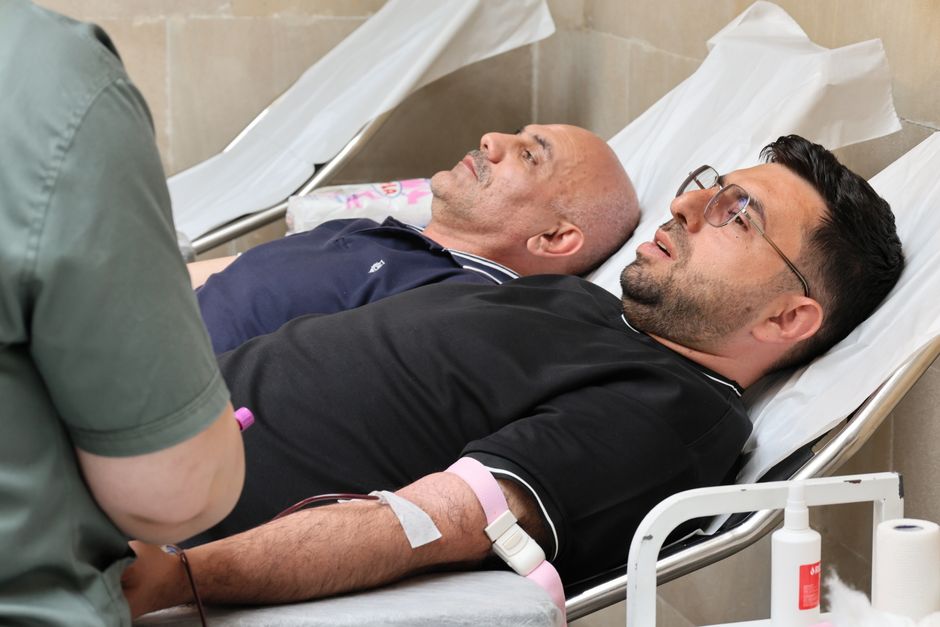
Becoming an organ donor is one of the most direct ways to save another person’s life. In the United States, you can register as a donor in most states by signing up through your state’s donor registry, often at the same time you get or renew a driver’s license. You can also register online through a national or state registry, and you can join a living donation program if you want to donate a kidney or part of your liver while you are alive.
Eligibility is broader than most people assume. There is no strict age limit, and most health conditions do not automatically disqualify you. The decision about whether a specific organ can be transplanted is made by medical teams at the time of donation, not when you sign up.
How To Become An Organ Donor Steps And Eligibility
The process is simpler than many people expect. Registration takes a few minutes, and it costs nothing.
Here are the basic steps.
- Choose how to register. You can sign up through your state’s organ donor registry, often when you renew your driver’s license or state ID at the DMV. Many states also let you register online.
- Complete the registry form. You provide basic information like your name, date of birth, and address. You may be asked to confirm you understand what donation means.
- Tell your family. This is not a legal requirement, but it matters. Even with a signed registry, hospitals often ask the family to confirm the person’s wishes. A family that knows your decision is far less likely to object at a difficult moment.
- Keep your registration current. If you move to another state, register there too. Registries do not always share data across state lines.
For living donation, the steps are different. You contact a transplant center directly, complete a health evaluation, and go through counseling and testing before any surgery is scheduled. Living donors are typically screened for kidney and liver health, blood type, and overall medical fitness.
Who Is Eligible To Donate Organs?
Almost anyone can register, regardless of age or most medical conditions. The key point is that eligibility is not decided at registration. It is decided by transplant teams when donation actually becomes possible.
There is no upper age limit for organ donation. Organs from donors in their 70s and 80s have been successfully transplanted in some cases. What matters is the condition of the specific organ, not the age on a birth certificate.
Some conditions do affect eligibility for certain organs. Active cancer, active systemic infection, or certain transmissible diseases may rule out donation. But even then, the decision is made case by case by medical professionals reviewing the donor’s history and the needs of potential recipients.
People with diabetes, high blood pressure, hepatitis, or a history of substance use can often still donate. The evaluation looks at the whole picture, not a single diagnosis.
What Organs And Tissues Can Be Donated?
One deceased donor can potentially save up to eight lives through organ donation and improve the lives of many more through tissue donation.
Organs that can be donated include the heart, lungs, liver, kidneys, pancreas, and intestines. Tissue donation includes corneas, skin, bone, tendons, heart valves, and veins. These tissues are used for grafts, reconstructive surgery, and treatments for burns and eye conditions.
Living donors can typically donate one kidney, part of the liver, part of a lung, or part of the pancreas. Kidney donation is the most common, and outcomes for living kidney donors are generally good when they are carefully screened.
The liver has a remarkable ability to regenerate. A portion of a donated liver can grow to a functional size in both the donor and the recipient, which is why living liver donation is possible. This is well established in transplant medicine.




What Happens After You Register?
Once you register, your name is added to a confidential database. Nothing happens immediately. Your registration only becomes relevant if you die in a way that allows for organ retrieval, usually while on a ventilator in a hospital.
Most people who die do not die in circumstances that allow for organ donation. Donation after brain death or after circulatory death requires specific medical conditions. This is one reason the need for donors remains high even with millions of registered donors.
When a potential donor is identified, the hospital contacts the local organ procurement organization. That organization evaluates the donor’s medical history, checks for infections and other conditions, and works with the transplant teams to match organs to recipients.
Matching considers blood type, tissue type, organ size, and how urgent the recipient’s need is. The national waiting list is managed by the Organ Procurement and Transplantation Network, which is overseen by the federal government.
Common Myths About Organ Donation
Several persistent myths keep people from registering. Most of them are not supported by how donation actually works.
Myth: Doctors will not try as hard to save you if they know you are a donor. This is false. The medical team treating you has no role in the transplant process. The transplant team is a separate group that is only involved after death has been declared. Emergency and critical care teams are focused on saving your life.
Myth: You are too old or too sick to donate. There is no age cutoff, and many health conditions do not disqualify you. The evaluation happens at the time of donation, not at registration.
Myth: Rich or famous people get priority on the waiting list. The waiting list is based on medical criteria, not wealth or status. The system is regulated and audited.
Myth: Donation disfigures the body and prevents an open-casket funeral. Donation is performed with care, and incisions are closed. Open-casket funerals are still possible.
Myth: It costs the donor’s family money. The donor’s family is not charged for organ donation. Costs related to donation are covered by the organ procurement organization.
Living Donation: A Different Path
Living donation is when a healthy person donates an organ or part of an organ while they are alive. The most common is kidney donation. Living liver donation is also performed at specialized centers.
Living donors go through a thorough evaluation. This includes blood tests, imaging, psychological screening, and a review of their overall health. The goal is to confirm that the donor can safely undergo surgery and live well with one kidney or a reduced liver.
Recovery times vary. Kidney donors typically spend a few days in the hospital and return to normal activities within a few weeks. Liver donors may take longer. These are major surgeries, and they carry risks, including bleeding, infection, and reactions to anesthesia. Long-term outcomes for carefully screened living kidney donors are generally favorable, though donation is not risk-free.
Some living donors donate to a specific person, like a family member or friend. Others donate anonymously to someone they do not know. Paired exchange programs allow donors who are not a match for their intended recipient to swap with another donor-recipient pair.
Why Registration Alone Is Not Enough
Registering is important, but it is not the whole picture. Family notification matters more than many people realize.
Even in states with first-person consent laws, which legally treat your registration as binding, hospitals often ask the family for confirmation. In practice, a family that is unaware of your wishes may hesitate or object, and that hesitation can delay or prevent donation.
The single most useful thing you can do after registering is tell the people closest to you. Tell them what you decided and why. It takes a few minutes and it makes your decision far more likely to be honored.
If you have a living will or advance directive, you can note your donor status there too. But the conversation with family is the one that carries the most weight in the moment.
Frequently Asked Questions
Can I become an organ donor if I have a health condition?
Yes, in most cases. Conditions like diabetes, high blood pressure, or hepatitis do not automatically disqualify you. The final decision is made by transplant teams at the time of donation based on the specific organs.
Is there an age limit for organ donation?
No. There is no upper age limit for organ donation. The condition of the organs matters more than age, and organs from older donors have been successfully transplanted.
Does my family have to agree for me to donate?
It depends on your state’s laws and the hospital’s practices. Even where your registration is legally binding, hospitals often ask the family for confirmation, so telling them your wishes is strongly advised.
Can I donate an organ while I am still alive?
Yes. Living donation is possible for a kidney, part of the liver, part of a lung, or part of the pancreas. Living donors must pass a thorough medical and psychological evaluation before surgery.
