
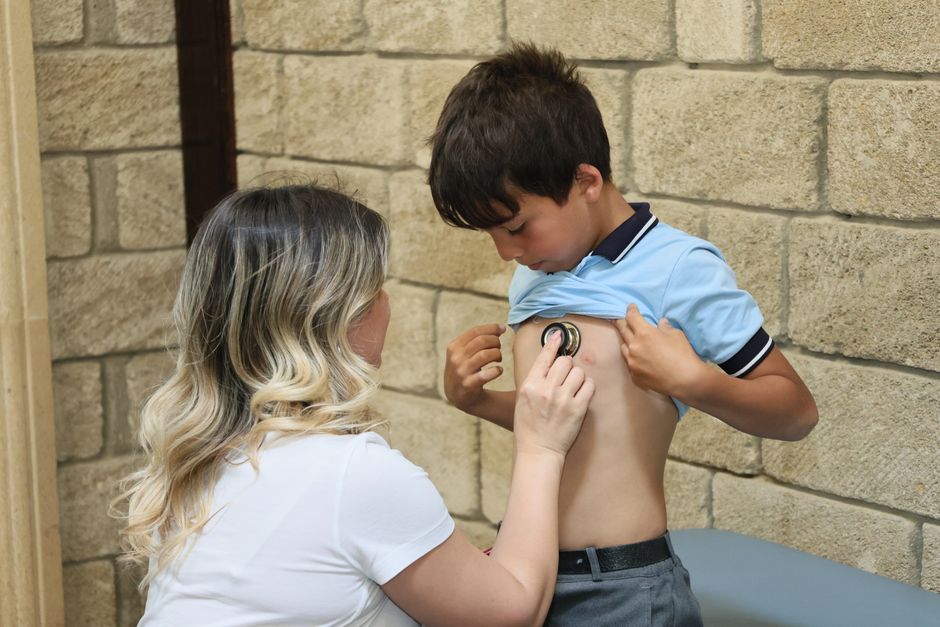
Becoming a pediatric CRNA takes about seven to nine years after high school. The path runs through a bachelor’s degree in nursing, several years of critical care experience, a doctoral-level nurse anesthesia program, and then a pediatric fellowship if you want specialized training. Each step has specific requirements, and the timeline depends on how quickly you move through school and how long you work before applying.
What Is a Pediatric CRNA and What Do They Do?
A pediatric CRNA is a Certified Registered Nurse Anesthetist who provides anesthesia care to infants, children, and adolescents. CRNAs deliver anesthesia in most U.S. hospitals and are the sole anesthesia providers in many rural facilities.
Pediatric anesthesia is not simply adult anesthesia scaled down. Children have different airway anatomy, different drug responses, and different temperature regulation. Infants clear medications more slowly in some cases and faster in others. Small body size means small errors matter more. A misplaced tube or a miscalculated dose that would be minor in an adult can be serious in a child.
Pediatric CRNAs work in children’s hospitals, general hospitals with pediatric units, and outpatient surgery centers. They care for children during surgery, imaging procedures, and other interventions that require sedation or general anesthesia.
What Are the Steps To Become a Pediatric CRNA?
The path has clear stages, and each one builds on the last. Skipping or rushing a step generally is not possible because programs and state boards enforce the requirements.
- Step 1: Earn a BSN. Complete a Bachelor of Science in Nursing from an accredited program. This typically takes four years, though accelerated programs exist for people who already hold a bachelor’s degree in another field.
- Step 2: Pass the NCLEX-RN. This is the national licensing exam required to practice as a registered nurse.
- Step 3: Gain critical care experience. Nurse anesthesia programs require at least one year of experience in an intensive care unit, and most accepted applicants have more. Adult ICU experience is the most common background. Pediatric ICU experience is valuable but not required for admission to most programs.
- Step 4: Earn a graduate degree in nurse anesthesia. This is now a doctoral-level requirement. The Council on Accreditation of Nurse Anesthesia Educational Programs requires all entry-level nurse anesthesia programs to award a doctoral degree. Most programs take about three years of full-time study.
- Step 5: Pass the national certification exam. The National Board of Certification and Recertification for Nurse Anesthetists administers the exam that grants the CRNA credential.
- Step 6: Complete a pediatric fellowship (optional). Fellowship training in pediatric anesthesia is not required to practice as a CRNA, but it provides focused experience with children.
How Long Does It Take To Become a Pediatric CRNA?
The full timeline from high school to practicing pediatric CRNA is roughly seven to nine years, and often longer. Here is how the time breaks down.
- Bachelor’s degree: about four years.
- Critical care experience: at least one year is required for program admission, but many applicants have two to three years or more. Competitive programs often expect this.
- Nurse anesthesia doctoral program: about three years of full-time study, including clinical training.
- Pediatric fellowship: typically one year, though program lengths vary.
Add those together and a realistic estimate is eight to ten years after high school for someone who completes a fellowship. Someone who skips the fellowship and moves quickly might reach CRNA practice in about seven to eight years.
One detail worth knowing: the move to doctoral-level education for all new nurse anesthetists is relatively recent. CRNAs who earned a master’s degree before this change still hold valid credentials. The doctoral requirement applies to new graduates entering the field.




What Does a Pediatric CRNA Fellowship Involve?
A pediatric anesthesia fellowship gives CRNAs supervised, concentrated experience caring for children across the age range. Fellows typically rotate through operating rooms, cardiac cases, neonatal intensive care, and pediatric intensive care.
Fellowship programs exist at children’s hospitals and academic medical centers. They are not standardized the way nurse anesthesia programs are. There is no single accrediting body specifically for CRNA pediatric fellowships in the way there is for entry-level nurse anesthesia education, so programs vary in structure, length, and curriculum. Prospective fellows should look closely at what each program actually offers.
Fellowships are optional. Many CRNAs care for children without one, particularly in settings where pediatric cases are part of a broader practice. A fellowship makes the most sense for someone who wants to work primarily in pediatric anesthesia, especially at a children’s hospital where complex cases are routine.
Fellowship training is not the same as board certification in pediatric anesthesia. CRNAs do not have a separate pediatric certification credential comparable to what physician anesthesiologists hold through pediatric anesthesiology fellowship and board certification. Some CRNAs pursue additional certifications, but these are not universally recognized as equivalent to a pediatric subspecialty board credential.
What Are the Admission Requirements for Nurse Anesthesia Programs?
Admission to nurse anesthesia programs is competitive. Programs look at academic performance, critical care experience, and personal characteristics that suggest someone can handle the demands of the work.
Common requirements include:
- A BSN from an accredited program.
- An active, unencumbered RN license.
- At least one year of critical care experience, usually in an ICU.
- A minimum GPA, often around 3.0, though competitive programs may expect higher.
- Completion of prerequisite courses such as chemistry, physics, and statistics.
- Letters of recommendation, often from critical care colleagues and supervisors.
- A personal statement and interview.
Most programs also require current certifications in basic and advanced cardiac life support. Some require pediatric advanced life support as well.
The critical care requirement matters. Programs want applicants who have managed unstable patients, titrated vasoactive medications, and worked with mechanical ventilation. These skills form the foundation for anesthesia practice. Experience in a step-down unit or a general medical floor generally does not satisfy the requirement, even if the nurse cared for seriously ill patients.
What Does a Pediatric CRNA Earn and What Is the Job Outlook?
CRNAs are among the higher-paid nursing roles in the United States. The Bureau of Labor Statistics groups nurse anesthetists, nurse midwives, and nurse practitioners together in its wage data, and reports a median annual wage for the group that is well above the median for registered nurses overall.
Pediatric CRNAs working in children’s hospitals may earn differently from those in adult practice, but reliable pediatric-specific salary figures are not widely published. Pay depends on location, employer, experience, and whether the role includes call and overtime.
Demand for anesthesia services is steady. An aging population needs more surgical care, and CRNAs fill a large share of anesthesia roles, particularly in rural and underserved areas. The Bureau of Labor Statistics projects growth for the nurse anesthetist occupation that is faster than average for all occupations, though exact projections should be checked against current data.
Pediatric anesthesia is a smaller niche than adult practice. Jobs at children’s hospitals are fewer, and competition for them can be stronger. General hospitals that perform pediatric surgery also hire CRNAs who can care for children alongside adults.
Is Pediatric CRNA Training Worth the Time and Cost?
That depends on what you want from a career, and the honest answer is that the investment is substantial. Nurse anesthesia programs are expensive, and the doctoral requirement adds cost compared with earlier master’s-level programs. Most students take on loans or reduce work hours during training, which adds to the financial picture.
The payoff is a career with high responsibility, strong earning potential, and direct involvement in patient care during some of the most vulnerable moments of a child’s life. For people who want to care for children specifically, the fellowship adds a year but also adds depth.
One thing to weigh honestly: pediatric anesthesia is emotionally demanding. Caring for very sick children, and sometimes for children who do not survive, takes a toll. That is not a reason to avoid the field, but it is a reason to go in with clear eyes rather than a romanticized picture.
Frequently Asked Questions
How many years does it take to become a pediatric CRNA?
Plan on about eight to ten years after high school if you complete a fellowship, or seven to eight years without one. The timeline includes a four-year nursing degree, required critical care experience, a three-year doctoral program, and optional fellowship training.
Do you need a pediatric fellowship to work as a CRNA with children?
No, a pediatric fellowship is not required to care for children as a CRNA. It is optional training that provides focused experience, and it makes the most sense for CRNAs who want to work primarily at children’s hospitals.
What degree do you need to become a CRNA?
New CRNAs must graduate from a doctoral-level nurse anesthesia program. All entry-level programs now award a doctoral degree, though CRNAs who earned master’s degrees before this change still hold valid credentials.
Is pediatric ICU experience required for nurse anesthesia school?
Most programs require at least one year of adult critical care experience, usually in an ICU. Pediatric ICU experience is valuable but is not required by most programs for admission.
