
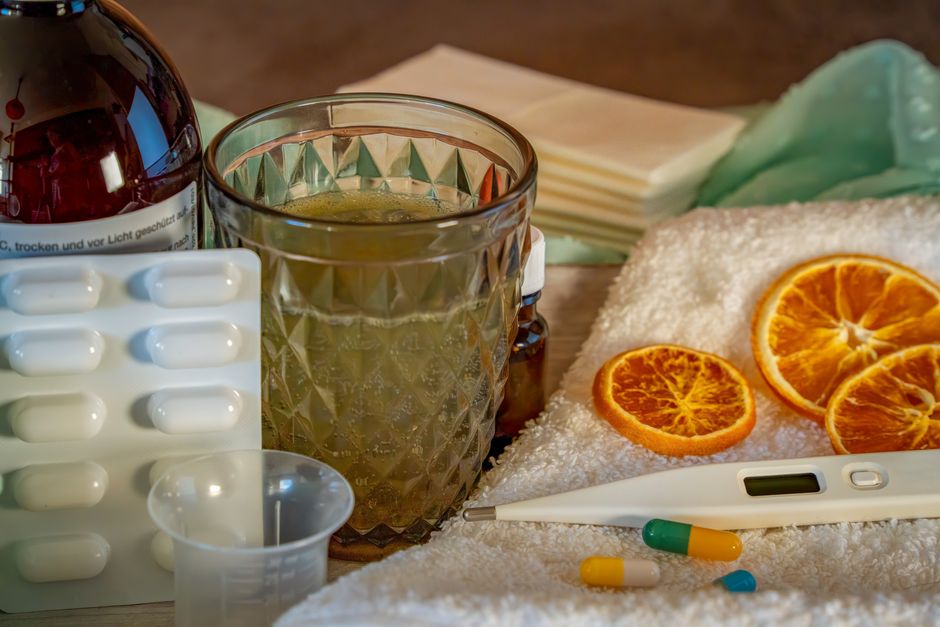
You can’t cure a cold with a pill, a shot, or a home remedy. But the first 48 hours are when you have the most control over how long it lasts and how rough it gets. Rest, fluids, saline rinses, and early symptom relief won’t kill the virus, but they can shorten how long you feel sick and lower the odds it turns into something worse.
What Is Actually Happening In Your Body During The First 48 Hours?
The common cold is a viral infection of the upper respiratory tract. Most cases are caused by rhinoviruses, though coronaviruses, adenoviruses, and respiratory syncytial virus also cause colds. You catch it by touching contaminated surfaces and then your face, or by breathing in droplets from someone who is sick.
Once the virus lands in your nose or throat, it attaches to cells lining your airways and starts copying itself. Here is the part most people get wrong: the symptoms you feel are not mainly caused by the virus destroying tissue. They are caused by your own immune response.
Your body releases chemicals called cytokines and histamines to fight the invader. Those chemicals widen blood vessels, increase mucus production, and trigger inflammation. That is why your nose runs, your throat scratches, and your head feels stuffed. The virus itself is often mild. Your immune reaction is what knocks you down.
This matters for timing. Viral shedding usually peaks in the first two to three days. That is when you are most contagious and when the virus is replicating fastest. It is also why the first 48 hours are the window where your choices matter most.
Does Anything Actually Shorten A Cold?
No treatment has been shown to eliminate a cold once it starts. But a few interventions have evidence for modestly reducing duration or severity when used early.
Zinc. The evidence here is genuinely mixed. Some trials using zinc lozenges or syrup started within 24 to 48 hours of symptom onset found a shorter cold duration. Other trials found no benefit. The differences appear to depend on the zinc formulation, dose, and how early it was started. Zinc can cause nausea and a metallic taste, and intranasal zinc has been linked to loss of smell, so it should not be used as a nasal spray.
Vitamin C. Taking vitamin C regularly does not prevent colds in most people. Taken after symptoms start, it does not reliably shorten or cure a cold. The evidence does not support it as an acute treatment.
Echinacea. Some studies suggest a small reduction in cold duration or severity. Others show no effect. Results vary widely across trials, and no consistent benefit has been established.
Over-the-counter symptom relievers. Decongestants, antihistamines, and pain relievers do not shorten a cold. They can make you more comfortable while your immune system does its work. That comfort matters, but it is not a cure.
The honest position: nothing reliably cures a cold. A few options may shave off a day or reduce how bad you feel. None of them are guaranteed.
What Should You Do In The First 24 Hours?
Start with rest. Real rest, not just working from the couch. Your immune system works better when you are not demanding physical or mental output from your body. Sleep in particular supports immune function, and studies have linked poor sleep to higher susceptibility to colds.
Drink fluids steadily through the day. Water, broth, and warm tea all work. You do not need to force excessive amounts. The goal is to keep urine pale yellow, not clear. Overhydration is possible and can dilute electrolytes, so drink to thirst rather than to a fixed number.
Use saline nasal rinses or sprays. These are safe, inexpensive, and help clear mucus and reduce congestion. Some evidence suggests saline irrigation may reduce how long symptoms last, though results are not uniform. Use distilled, sterile, or previously boiled and cooled water only. Tap water should never be used directly in a nasal rinse because of the risk of serious infection.
Address the worst symptom. If your throat is raw, warm liquids and lozenges can help. If your head is pounding, an over-the-counter pain reliever like acetaminophen or ibuprofen can take the edge off. Follow package directions exactly.




What Should You Avoid?
Antibiotics. Colds are viral. Antibiotics do nothing against viruses. Taking them unnecessarily can cause side effects and contribute to antibiotic resistance. A doctor may prescribe them only if a bacterial infection develops, such as a sinus infection or ear infection.
Pushing through. Going to work or the gym while you are actively sick spreads the virus and slows your recovery. The first 48 hours are when you are most contagious.
High-dose vitamin C megadoses. Large doses can cause diarrhea and stomach cramps. There is no evidence they shorten a cold.
Intranasal zinc. This has been associated with permanent loss of smell. Avoid it.
Alcohol. It dehydrates you and disrupts sleep, both of which work against recovery.
When Is A Cold Not A Cold?
Cold symptoms overlap with several other conditions, and it is not always possible to tell them apart in the first day or two.
Influenza often starts suddenly with high fever, body aches, and exhaustion. Colds usually come on gradually. COVID-19 can look like a cold, especially in vaccinated people. Allergies cause runny nose and sneezing but do not cause fever and usually last longer than a cold.
Because these conditions can present similarly, testing is the only way to know for certain. If you have a fever, body aches, or shortness of breath, a cold is less likely.
Seek medical care if you have:
- A fever above 101°F (38.3°C) that lasts more than a few days
- Difficulty breathing or chest pain
- Severe headache or facial pain
- Symptoms that improve and then get worse
- Symptoms lasting more than 10 days without improvement
These signs may point to a secondary bacterial infection or another condition that needs treatment.
Can You Prevent A Cold From Getting Worse?
You cannot stop a cold once it has started, but you can reduce the chance it turns into something more serious.
Get enough sleep. Research consistently shows that people who sleep fewer than seven hours are more likely to catch colds and may take longer to recover. This is one of the more reliable findings in cold research.
Manage stress where you can. Chronic stress is associated with suppressed immune function and higher infection rates. This does not mean you can think your way out of a cold, but sustained stress does appear to make you more vulnerable.
Stay home when you are most contagious. The first two to three days are peak shedding. Staying home protects others and gives your body the rest it needs.
Wash your hands often. Cold viruses can live on surfaces for hours. Handwashing remains one of the most effective ways to avoid spreading and catching them.
Do Cold Medicines Work?
Cold medicines treat symptoms, not the virus. They can make you feel better, but they do not shorten the illness.
| Medicine | What It Does | What It Does Not Do |
|---|---|---|
| Decongestants | Reduce nasal swelling | Shorten cold duration |
| Antihistamines | Dry up runny nose | Fight the virus |
| Pain relievers | Ease aches and fever | Speed recovery |
| Cough suppressants | Reduce coughing | Clear infection |
Use them as directed. Do not combine multiple products that contain the same ingredient. Many cold medicines include acetaminophen, and doubling up can cause liver damage.
Children under 4 should not be given over-the-counter cold medicines without a doctor’s guidance. No clinical guidelines support their use in this age group, and serious side effects have been reported.
Frequently Asked Questions
Can you actually shorten a cold?
No treatment reliably shortens a cold. Some evidence suggests zinc lozenges started within 24 to 48 hours may reduce duration slightly, but results across studies are inconsistent.
Should I take vitamin C when I feel a cold coming on?
Vitamin C taken after symptoms start does not reliably shorten or cure a cold. Regular use may slightly reduce duration in people under heavy physical stress, but not in most adults.
How long is a cold contagious?
You are most contagious in the first two to three days when viral shedding peaks. You may remain contagious for up to a week or longer, especially if symptoms persist.
When should I see a doctor for a cold?
See a doctor if you have a fever above 101°F that lasts more than a few days, difficulty breathing, severe facial pain, or symptoms that last more than 10 days without improving.
