
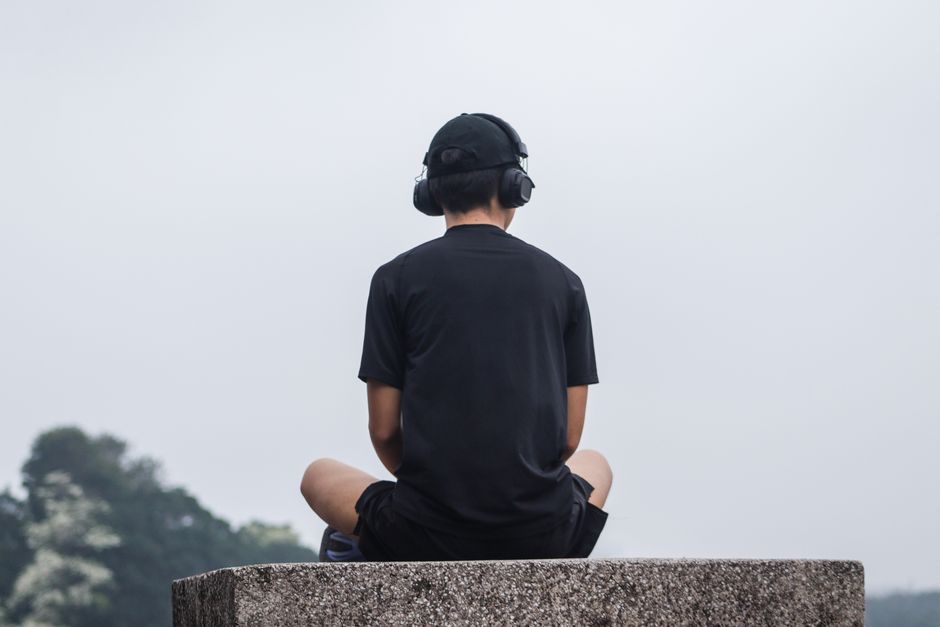
Being alone and being lonely are two very different things. Loneliness is a feeling of disconnection. Being alone is simply a state of being. You can feel lonely in a crowded room, and you can feel deeply content by yourself. Learning to be alone and happy is a skill, not a personality trait. It is built through practice, intention, and a shift in how you view solitude. It starts with changing the story you tell yourself about what being alone means.
Is It Normal to Want to Be Alone?
Yes. Wanting time to yourself is a normal and healthy human need. Many people crave solitude to recharge, think clearly, or pursue personal interests. This is especially true for introverts, who tend to lose energy from social interaction and gain it from quiet time.
However, the pressure to be constantly social is strong in many cultures. People often mistake a preference for solitude with something being wrong. That is not accurate. Research consistently shows that some alone time is beneficial for mental health, creativity, and emotional regulation. The problem is not being alone. The problem is feeling trapped, isolated, or unwanted.
The distinction matters. If you choose to be alone, it is usually restorative. If you feel forced into it, it can feel like punishment. The goal is to make solitude a choice you make for yourself rather than a circumstance that happens to you.
How To Be Alone And Happy: Start With the Basics
Before you can enjoy being alone, you need to feel safe and comfortable in your own space. This is not about luxury. It is about creating an environment that does not fight against your peace.
Start with your physical surroundings. A cluttered room can create a cluttered mind. You do not need to become a minimalist, but you do need a space that feels manageable. Make your bed. Open the curtains. Have a comfortable place to sit that is not your bed. These small things signal to your brain that this space is for living, not just waiting.
Next, establish a basic routine. Structure helps when you are alone because it prevents the day from blurring into an endless stretch of nothing. It does not need to be rigid. It can be as simple as: wake up, make coffee, take a walk, eat lunch, work on a hobby, cook dinner, read, sleep. A routine gives shape to your time and reduces the anxiety that comes from having too much unstructured time.
Finally, pay attention to your body. Eating regular meals, moving your body, and getting outside are non-negotiable for mood. When you are alone, it is easy to skip these things. But skipping them makes you feel worse. Your brain and body are connected. If your body is neglected, your mind will follow.
What Is the Difference Between Solitude and Loneliness?
Solitude is the state of being alone without feeling lonely. Loneliness is a subjective feeling of distress that comes from a gap between the social connections you want and the ones you have. You can be alone and not lonely. You can be surrounded by people and feel deeply lonely.
The key difference is perception. In solitude, you feel a sense of peace and agency. You are doing what you want to do. In loneliness, you feel disconnected and powerless. The same physical situation — being by yourself — can feel completely different depending on your mindset and emotional state.
Research shows that loneliness is a serious health risk. Chronic loneliness is associated with higher rates of depression, heart disease, and cognitive decline. But solitude is not the same thing. In fact, learning to enjoy solitude is one of the most effective ways to reduce loneliness. When you are comfortable being with yourself, you are less dependent on others for your sense of worth and stability.
If you feel lonely when you are alone, that is a signal that something needs attention. It does not mean you need to fill your calendar. It may mean you need to build a better relationship with yourself first.





How to Build a Positive Relationship With Yourself
Many people avoid being alone because they do not like who they are when they are alone. This is common. When the noise of other people fades, you are left with your own thoughts. For many, those thoughts are critical, anxious, or painful.
Building a positive relationship with yourself is the core work of being happy alone. It is not about positive thinking. It is about changing how you talk to yourself. Notice your internal dialogue. If you make a mistake, do you call yourself names? If you feel sad, do you tell yourself to get over it? Most people talk to themselves in ways they would never talk to a friend.
Start by treating yourself with the same kindness you would offer someone else. This feels awkward at first. It is a habit that needs practice. When you notice a harsh thought, simply acknowledge it and let it go. You do not have to believe everything you think.
Another part of this is learning to trust yourself. When you are alone, you make all the decisions. That can feel overwhelming at first. Start small. Decide what to eat, what to watch, what to do with your afternoon. Make a choice and stick with it. Over time, you will build confidence in your own judgment.
What Are the Best Activities for Spending Time Alone?
Not all alone time is created equal. Scrolling through social media for two hours is not the same as reading a book or taking a walk. Passive consumption often leaves you feeling empty. Active engagement tends to leave you feeling refreshed.
Activities that require focus are especially good for happiness. This is because they pull your attention away from your worries and into the present moment. This is why hobbies work so well. Cooking, gardening, painting, writing, playing an instrument, or doing a puzzle all require enough concentration to quiet the background noise of the mind.
Physical activity is also important. A walk outside is one of the most reliable mood boosters available. It combines movement, fresh air, and a change of scenery. You do not need to run a marathon. A twenty-minute walk can shift your entire day.
Learning something new is another powerful option. When you learn, you are engaging your brain in a productive way. This can be anything from taking an online course to learning a new recipe. The point is to feel a sense of progress. Progress, even small progress, is a reliable source of satisfaction.
Finally, allow yourself to do nothing. Not every moment of solitude needs to be productive. Sitting quietly, daydreaming, or just looking out the window is not wasted time. It gives your brain space to process and rest.
How to Handle the Hard Moments
There will be moments when being alone feels genuinely hard. This is normal. The goal is not to eliminate those moments. The goal is to be able to sit with them without falling apart.
When a wave of loneliness hits, do not immediately try to distract yourself. Instead, name what you are feeling. Say to yourself, “I am feeling lonely right now.” This simple act of naming the emotion takes away some of its power. It moves you from being overwhelmed by the feeling to observing it.
Then, ask yourself what you actually need in that moment. Sometimes it is connection. Call a friend or family member. Sometimes it is comfort. Take a warm shower or wrap yourself in a blanket. Sometimes it is just time. The feeling will pass on its own if you let it.
It is also important to have a plan for difficult times. Know ahead of time what helps you feel grounded. This could be a favorite movie, a playlist, a walk in a familiar place, or a phone call to a specific person. Having a plan means you do not have to think clearly in the middle of a hard moment.
When Does Being Alone Become a Problem?
Being alone is only a problem when it stops being a choice. If you are avoiding all social contact because of fear or shame, that is different from enjoying solitude. If you want to connect with others but feel unable to, that is a sign that you may need support.
Pay attention to a few warning signs. If you are sleeping too much or too little, losing interest in activities you used to enjoy, or having thoughts of hopelessness, these may be signs of depression. Depression is a medical condition, not a personal failure. It responds to treatment.
No clinical guidelines currently exist for how much alone time is too much. It is highly individual. The key question is not how many hours you spend alone. The key question is whether you feel in control of your social life. If you feel stuck, isolated, or unable to reach out, it is worth talking to a healthcare provider.
Social connection is a fundamental human need. Enjoying solitude does not mean you should never seek out other people. The healthiest approach is a balance — meaningful time with others and meaningful time with yourself.
Frequently Asked Questions
How do I stop feeling lonely when I am alone?
Start by naming the feeling instead of fighting it. Then engage in an activity that requires focus, like a hobby or a walk, to shift your attention away from the loneliness.
Is it healthy to enjoy being alone?
Yes, enjoying solitude is a sign of emotional independence and is associated with better mental health. The problem is not being alone but feeling disconnected and powerless.
How much alone time is too much?
There is no set number of hours that defines too much alone time. The real warning sign is feeling trapped or unable to connect with others when you want to.
What should I do when I feel lonely at night?
Have a plan ready for nighttime lows, like a comforting movie, a warm drink, or a call with a friend. Remind yourself that the feeling is temporary and will pass.
