
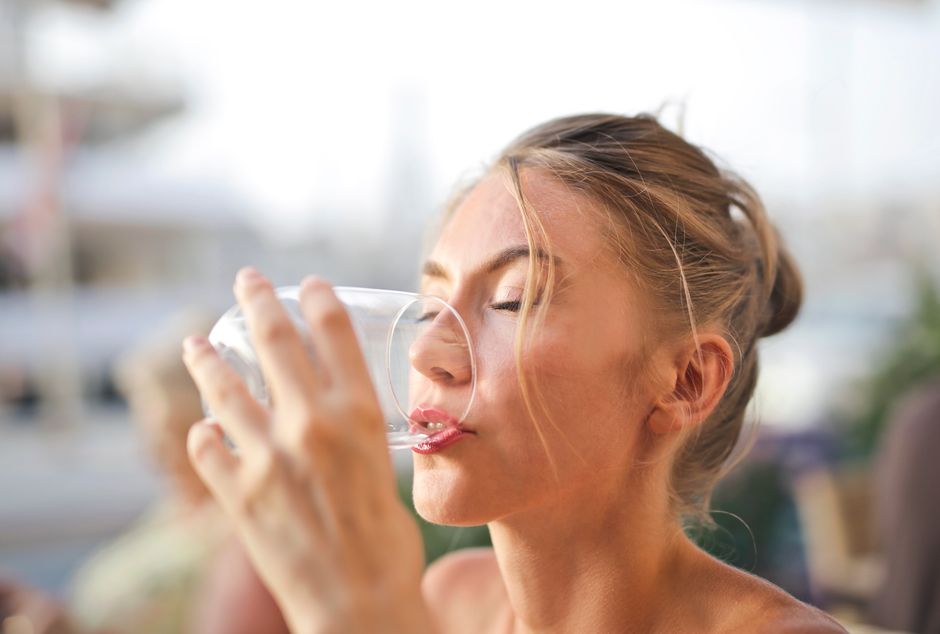
There is no quick way to sober up. Only time lowers your blood alcohol level. Your liver processes alcohol at a steady rate, and nothing speeds that up. Water, coffee, food, and cold showers help you feel more awake, but they do not make you less drunk. The only real cure is waiting.
How long does it take to get sober?
Your liver removes alcohol from your blood at a nearly constant rate. For most people, that rate is about 0.015 to 0.02 grams per deciliter (g/dL) per hour. That is the same as roughly one standard drink per hour. If your blood alcohol concentration (BAC) is 0.08% – the legal driving limit in all U.S. states – it will take about 5 to 6 hours for your BAC to reach zero. If your BAC is higher, it takes longer.
No amount of coffee, cold water, or exercise changes this rate. Your liver does not speed up. The only factor that changes elimination time is severe liver disease, which slows it down. So the answer to “how long to get sober” depends entirely on how much alcohol is in your system and how long you give your liver to process it.
Does drinking water help you get sober faster?
Water helps with dehydration. Alcohol is a diuretic – it makes you urinate more, which can leave you thirsty, dizzy, and headachy. Drinking water will make those symptoms less intense. But water does not dilute alcohol in your blood once it is already absorbed. It does not flush alcohol out faster. Your kidneys filter alcohol but your liver breaks it down. Urinating more does not speed that process.
Drinking water is a good idea for how you feel, but do not expect it to lower your BAC or make you safe to drive.
Does eating food or drinking coffee help?
Food in your stomach slows how fast alcohol enters your bloodstream. That means you get less drunk over a longer period. But once alcohol is already in your blood, food does nothing to remove it. Eating a big meal after you are already drunk will not help you sober up faster.
Coffee contains caffeine, a stimulant. It can make you feel more alert and less drowsy. That can be dangerous. A person who feels more awake may think they are sober enough to drive when they are not. Caffeine does not lower BAC. Some research suggests caffeine might even mask the sedative effects of alcohol, leading people to drink more. So coffee will not help you get over being drunk. It only changes how drunk you feel.



What actually works to reduce how drunk you feel?
The only thing that reduces how drunk you feel is time. Your brain adapts somewhat as you become tolerant, but tolerance does not mean you are sober. Here is what does and does not work:
What does NOT work:
What may help you feel better (but does not make you sober):
When is being drunk a medical emergency?
Alcohol poisoning is life-threatening. Signs include confusion, vomiting, seizures, slow or irregular breathing (fewer than 8 breaths per minute), pale or blue skin, low body temperature, and unconsciousness that cannot be woken. If someone shows these signs, call 911 immediately. Do not wait. Do not try to make them vomit. Turn them on their side to prevent choking.
Severe intoxication can also cause hypoglycemia (low blood sugar), especially in people with diabetes or after heavy drinking without eating. Symptoms may mimic drunkenness: confusion, slurred speech, unsteadiness. If you are unsure, treat it as an emergency.
How to get over being drunk: what actually works?
The honest answer is simple. You cannot speed up your liver. What works is stopping drinking, drinking water, eating if you can, and waiting. Sleep helps pass the time. Do not drive. Do not make decisions. Do not drink more to “sober up” – that makes things worse. If you are worried about how drunk you or someone else is, err on the side of caution and get medical help.
Avoid common myths. Coffee, cold showers, marijuana, and “hair of the dog” (drinking more) do not reduce your BAC. They change how you feel, which can be misleading. The safest thing is to stay put until enough time has passed.
Frequently Asked Questions
How long does it take to sober up after one drink?
One standard drink raises BAC by about 0.02% in the average person. It takes roughly one hour for your liver to process that amount. However, factors like body weight, sex, food intake, and overall health affect that rate.
Does a cold shower help you get sober?
No. A cold shock can make you more alert, but it does not lower your blood alcohol level. It may actually increase risk of hypothermia. It will not make you sober.
Does vomiting help you sober up?
Vomiting can remove alcohol still in your stomach if done soon after drinking, but it does not remove alcohol already absorbed into your blood. It cannot speed up your liver. It also risks dehydration and injury to your throat or stomach.
What is the fastest way to lower blood alcohol level?
There is no fast way. Your liver metabolizes alcohol at a fixed rate. Waiting is the only method. Dialysis can lower BAC in hospital settings but is only used in life-threatening cases. At home, time is the only option.
