
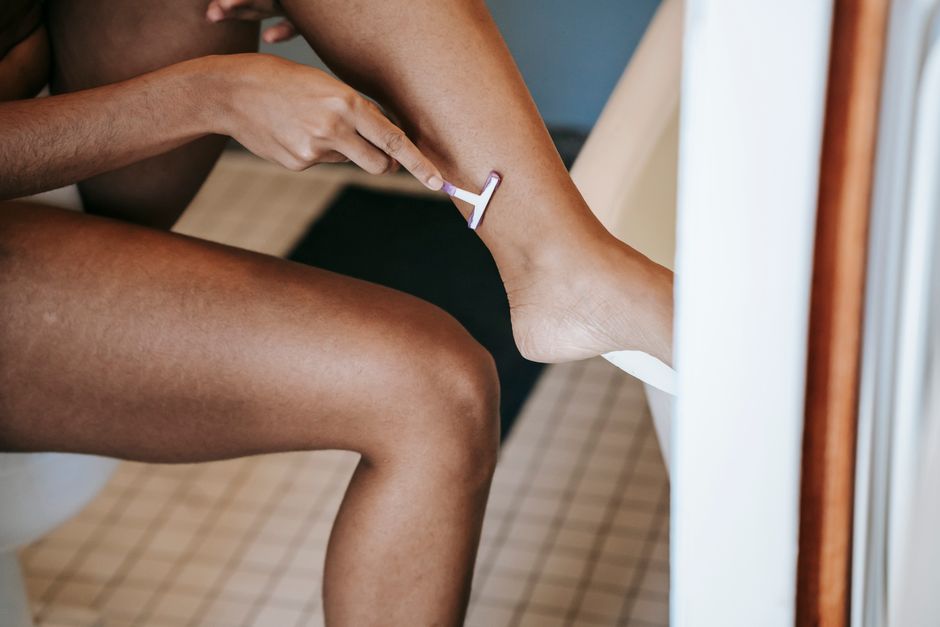
Red bumps after shaving are a common skin complaint, but they are not something you have to accept as normal. These bumps, often called razor burn or shaving bumps, happen when the hair follicle or the skin around it becomes irritated. You can avoid them consistently by preparing your skin properly, using the right technique, and following up with good aftercare. The key facts are simple: shave on well-hydrated skin, always use a sharp single blade, shave in the direction of hair growth, and moisturize immediately after. Following these steps addresses the root causes of irritation before they start.
What Actually Causes Red Bumps After Shaving?
Understanding why the bumps appear is the first step to preventing them. There are two main types of skin reactions that people commonly call shaving bumps, and they have different causes.
The first is razor burn. This is a skin irritation caused by the physical friction of the razor blade dragging across the skin. It often looks like a red, blotchy rash that can sting or feel warm. The second is razor bumps, medically known as pseudofolliculitis barbae. These are small, raised bumps that look like pimples. They happen when a shaved hair curls back and grows into the skin, causing inflammation.
Both conditions are triggered by the same basic errors: shaving dry skin, using a dull blade, and pressing too hard. When the blade is dull, it pulls at the hair instead of cutting it cleanly. This creates a sharp edge that easily pierces the skin as it grows back. Shaving against the grain produces a very close cut, but it also increases the risk of the hair retracting below the skin surface and becoming ingrown.
How To Avoid Red Bumps After Shaving Every Time: Preparation
Preparation is more than half the battle. The condition of your skin and hair before the razor touches it determines how much irritation you will experience.
Hydrate the skin and hair. Hair absorbs water and becomes softer and easier to cut when it is wet. Showering or washing the area with warm water for at least two to three minutes before shaving softens the hair shaft. Shaving immediately after a shower is ideal because the steam has already opened the pores and softened the hair.
Exfoliate gently. A gentle scrub or a soft washcloth helps lift the hair away from the skin so the razor can cut it cleanly. Exfoliating also removes dead skin cells that can trap hairs and cause them to grow inward. Do this the night before or right before shaving, but avoid aggressive scrubbing. Over-exfoliating irritates the skin and makes it more sensitive to the razor.
Use warm, not hot, water. Hot water strips the skin of its natural oils, leaving it dry and more prone to damage. Warm water is sufficient to soften the hair without compromising the skin barrier.
Choosing the Right Razor and Shaving Cream
The tools you use matter as much as the technique. A poor-quality razor or the wrong shaving product can cause irritation even if you do everything else correctly.
Always use a sharp blade. A dull blade is the most common cause of razor burn. Multi-blade razors are popular, but they can pull the hair up before cutting it, which allows the hair to snap back below the skin line, increasing the risk of ingrown hairs. Many dermatologists recommend a single-blade razor for people prone to razor bumps. If you use a multi-blade razor, replace the cartridge frequently. A general rule is to replace the blade after five to seven shaves, or sooner if it feels like it is tugging at the hair.
Choose a proper lubricant. Shaving cream or gel is not optional. It creates a protective barrier between the blade and your skin. Look for a product that is fragrance-free and formulated for sensitive skin. Fragrances and alcohol are common irritants that can trigger redness. Avoid shaving with bar soap, which does not provide enough lubrication and leaves a film that dulls the blade quickly.
Consider a shaving brush. A shaving brush lifts the hair and distributes the cream evenly. It also helps exfoliate the skin slightly. This is not essential, but many people find it reduces irritation significantly.





The Correct Shaving Technique
Technique is where most people go wrong. The goal is to cut the hair cleanly at the skin surface without pulling it or cutting it too close.
Shave in the direction of hair growth. This is the single most important technique change you can make. Shaving against the grain gives a closer shave, but it cuts the hair at an angle that makes ingrown hairs more likely. Shaving with the grain may not be as smooth, but it dramatically reduces irritation.
Do not stretch the skin. Pulling the skin taut while shaving causes the hair to retract below the surface when the tension is released. Let the skin stay relaxed and let the razor glide over it.
Use short, light strokes. Do not press down. The weight of the razor is enough. Rinse the blade after every stroke to remove hair and cream buildup. A clogged blade is less effective and causes more friction.
Do not shave the same area twice. Each pass over the skin increases irritation. If you miss a spot, leave it for the next shave. Shaving the same patch repeatedly will almost certainly cause razor burn.
Aftercare: What To Do When You Finish Shaving
What you do in the minutes after shaving has a direct impact on whether redness develops. The skin is vulnerable at this point because the razor has removed the top layer of dead skin cells and the protective oil barrier.
Rinse with cold water. Cold water constricts blood vessels and reduces inflammation. It also helps close the pores and calm the skin.
Pat the skin dry. Do not rub. Rubbing creates friction on already irritated skin.
Apply a moisturizer. Use a fragrance-free moisturizer immediately after drying. This restores the skin barrier and prevents dryness, which can make redness worse. Some people find that applying an alcohol-free aftershave balm with soothing ingredients like aloe vera or chamomile helps calm the skin.
Avoid harsh products. Do not apply products containing alcohol, which stings and dries the skin. Skip heavy colognes or perfumed lotions on freshly shaved skin.
How To Treat Razor Bumps When They Appear
Even with perfect technique, bumps can still appear occasionally. Some people have naturally curly hair that is more prone to growing inward. Knowing how to handle the bumps when they happen prevents them from getting worse.
Do not pick or squeeze. Squeezing the bumps can push the hair deeper into the skin and increase the risk of infection. It also causes more inflammation and can leave dark spots.
Apply a warm compress. A warm, damp cloth held against the area for a few minutes can help bring the trapped hair closer to the surface.
Use a sterile needle to release the hair. If you can see the hair loop under the skin, you can gently lift it with a sterile needle or tweezers. Do not pluck the hair out. Just lift the tip so it can grow out of the skin.
Consider over-the-counter treatments. Products containing salicylic acid or glycolic acid can help exfoliate the skin and release trapped hairs. These are chemical exfoliants that dissolve the dead skin cells around the hair follicle. Use them sparingly, as overuse can dry the skin.
If the area becomes painful, filled with pus, or red and spreading, it may be infected. See a doctor rather than trying to treat it yourself.
Long-Term Solutions for Chronic Razor Bumps
For some people, especially those with coarse or curly hair, razor bumps are a persistent problem. If you have tried every technique and still get bumps regularly, you may want to consider alternative hair removal methods.
Electric razors do not cut as close to the skin as manual razors. This is a disadvantage for smoothness but an advantage for preventing ingrown hairs. Because the hair is left slightly longer, it is less likely to curl back into the skin.
Depilatory creams dissolve the hair just below the skin surface. They do not involve a blade, so they eliminate razor friction entirely. Test the product on a small patch of skin first, as some people are sensitive to the chemicals. Follow the timing instructions exactly. Leaving the cream on too long can cause chemical burns.
Laser hair removal is the most effective long-term option for chronic razor bumps. It damages the hair follicle so the hair grows back thinner or stops growing altogether. This is a medical procedure that requires multiple sessions and is not cheap. It works best on people with light skin and dark hair, though newer lasers can treat a wider range of skin tones. Some research suggests that laser therapy is the most effective treatment for severe pseudofolliculitis barbae, but it is not a quick fix.
If you are considering any of these options, talk to a dermatologist. They can help you decide which method is appropriate for your skin type and hair texture.
Frequently Asked Questions
Does shaving with the grain really prevent red bumps?
Yes. Shaving in the direction of hair growth cuts the hair flat, so it is far less likely to curl back into the skin and cause ingrown hairs. Shaving against the grain gives a closer shave but significantly increases irritation.
How often should I replace my razor blade?
Replace the blade after five to seven shaves, or sooner if it starts to tug at the hair. A dull blade pulls at the hair and causes more friction, which leads directly to razor burn and bumps.
Are multi-blade razors better for sensitive skin?
No. Multi-blade razors can lift the hair and cut it below the skin line, which increases the risk of ingrown hairs. A single-blade razor is often a better choice for people who are prone to razor bumps.
Can I shave every day without getting red bumps?
Yes, if your skin has time to recover between shaves. Shaving every day is possible when you use a sharp blade, proper lubrication, and a good moisturizer afterward. If you still see irritation, consider shaving every other day instead.
