
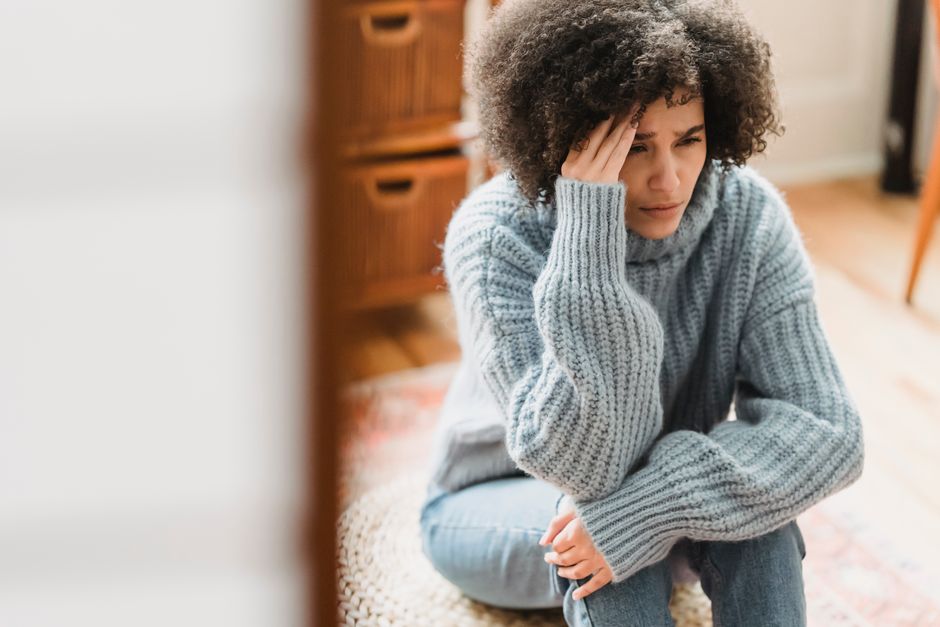
Morning anxiety is not a sign of weakness. It is often a normal stress response that shows up when your body shifts from sleep to waking. The best way to avoid anxiety in the morning is to steady your body before your mind starts racing. That means controlling light, caffeine, blood sugar, and the first few minutes after you wake up. Small changes to your morning routine can lower the intensity of anxious feelings, though they are not a substitute for professional care when anxiety is severe or ongoing.
Why Does Anxiety Often Feel Worse in the Morning?
Your body does not wake up in a calm state by default. In the hour before you wake, levels of cortisol — a hormone that helps regulate alertness and stress — rise naturally. For most people this is normal and helps them get going. For people prone to anxiety, that same rise can feel like dread, a racing heart, or a sense of unease before anything has even happened.
Two other things add to this. First, the part of the brain that handles worry and planning becomes active quickly after waking, while the calming, reasoning parts come online a bit more slowly. Second, if you wake up already thinking about your to-do list, that mental load lands on a nervous system that has not yet settled.
There is also a less obvious factor: low blood sugar. If you have not eaten for eight to ten hours, your body may release adrenaline to help maintain energy. Adrenaline can produce physical symptoms that feel identical to anxiety — shaky hands, a pounding heart, a tight chest. Sometimes what feels like a panic wave is partly a hunger signal.
What Is the First Thing to Do When You Wake Up Anxious?
Do not reach for your phone. The first few minutes after waking are when your brain is most open to whatever it encounters. Scrolling through news, email, or social media floods a still-waking nervous system with information it has to react to. This tends to amplify anxiety rather than settle it.
Instead, slow your breathing. Anxiety speeds up breathing and heart rate. Deliberately slowing your breath sends a signal through the vagus nerve — a major nerve connecting the brain to the body — that can help bring your heart rate down. A simple approach is to breathe in through your nose for a count of four, hold briefly, and breathe out for a count of six. The longer exhale is the part that matters most. Do this for a minute or two before you get out of bed.
This is not a cure. It is a way to interrupt the spiral before it builds. For some people it helps noticeably. For others the effect is modest. The evidence for breathing techniques in managing anxiety is generally supportive but not uniform across all studies.
How Does Light Affect Morning Anxiety?
Light is one of the strongest signals your body uses to set its internal clock. Getting bright light soon after waking helps regulate the sleep-wake cycle and supports the timing of cortisol release. When that rhythm is off — common in people who wake before sunrise or who stay up late — the morning stress response can feel sharper and less predictable.
Opening curtains or stepping outside for a few minutes of daylight is a low-effort step that many people find steadying. Morning light exposure is well established as a way to support circadian rhythm. Whether it directly reduces anxiety is less clear, but a more stable body clock tends to mean a more stable mood.
-
 How to Manage Post-interview Anxiety? Easy Steps to Follow
 -
How to Calm Myself Down from Anxiety? Easy Steps to Follow
-
How to Break the Cycle of Morning Anxiety? A Simple Guide
-
Why Do I Wake up Every Morning with Anxiety? What’s Really Going On
-
Memory Wave Review 2026: Legit Brainwave Program or Overhyped Scam?





Should You Have Caffeine Right After Waking?
Caffeine does not create energy. It blocks adenosine, a chemical that builds up during the day and makes you feel sleepy. When adenosine is blocked, you feel more alert — but your body still carries the underlying tiredness. In people sensitive to anxiety, caffeine can also raise heart rate and trigger the physical sensations that anxiety feeds on.
If morning anxiety is a problem, consider waiting at least an hour after waking before your first cup. Cortisol is already high in that first hour, and adding caffeine on top can make jitteriness worse. Cutting back on total caffeine, or switching to a lower dose, is worth trying for a few weeks to see whether it changes how you feel.
This is not a universal rule. Some people handle caffeine well and notice no anxiety link. The relationship varies a lot between individuals.
What Should You Eat to Steady Your Morning?
Skipping breakfast can leave blood sugar low, which may trigger adrenaline and mimic anxiety symptoms. Eating something with protein and fiber — eggs, yogurt, nuts, whole grains — helps keep blood sugar steadier than a sugary cereal or pastry, which can cause a spike and then a dip that leaves you feeling shaky and on edge.
Drinking water matters too. Mild dehydration can cause a faster heart rate and a foggy, unsettled feeling. A glass of water when you wake is a simple step with no downside.
The evidence linking specific foods to anxiety reduction is limited and mixed. What is better established is that stable blood sugar supports stable mood, and that skipping meals tends to make anxiety symptoms worse for many people.
Can Your Evening Routine Change Your Morning?
Morning anxiety often starts the night before. Poor sleep lowers your tolerance for stress and makes the morning cortisol rise feel more intense. Going to bed and waking at roughly the same time each day helps your body anticipate the transition instead of being startled by it.
Two habits that tend to help:
- Avoid screens and bright light for the last hour before bed, since light delays melatonin release and pushes your body clock later.
- Write down tomorrow’s tasks before bed. Offloading that mental list can reduce the chance your brain brings it up the moment you wake.
Alcohol deserves a mention. It can help people fall asleep but tends to disrupt sleep in the second half of the night, which often shows up as waking early with a racing mind. If morning anxiety is frequent, cutting back on evening alcohol is worth testing.
When Should You Get Professional Help for Morning Anxiety?
Occasional morning anxiety is common and often responds to the changes above. But some patterns need more than routine adjustments. Consider talking to a doctor or mental health professional if:
- Anxiety is present most mornings for weeks or months
- It interferes with work, relationships, or sleep
- You have panic attacks — sudden intense fear with a pounding heart, shortness of breath, or a sense of losing control
- You are avoiding things you used to do because of how you feel in the morning
- You are using alcohol or other substances to cope
Anxiety disorders are treatable. Talk therapy, particularly cognitive behavioral therapy, has strong evidence for reducing anxiety symptoms. Some medications also help. A doctor can also check for physical causes — thyroid problems, low blood sugar, sleep apnea, and some heart conditions can produce symptoms that look like anxiety.
If you ever have thoughts of harming yourself, reach out right away. In the US you can call or text 988 to reach the Suicide and Crisis Lifeline at any time.
Frequently Asked Questions
Why is my anxiety worse in the morning?
Cortisol naturally rises before you wake, and that surge can feel like dread or a racing heart in people prone to anxiety. Low blood sugar and a still-waking nervous system can also add to it.
What should I do first when I wake up anxious?
Slow your breathing before you get out of bed, focusing on a longer exhale, and avoid your phone for the first few minutes. This can interrupt the spiral before it builds.
Does caffeine make morning anxiety worse?
For some people, yes. Caffeine can raise heart rate and trigger the physical sensations anxiety feeds on, so waiting an hour or cutting back is worth testing.
When should I see a doctor about morning anxiety?
If it happens most mornings for weeks, interferes with daily life, or comes with panic attacks, talk to a doctor. Anxiety disorders are treatable, and physical causes should also be ruled out.
