
Quitting or cutting back on alcohol is one of the most effective changes you can make for your health, but it is rarely as simple as deciding to stop. Alcohol is deeply woven into social life, stress relief, and daily routines, which makes the habit difficult to break even when your motivation is strong. The most reliable approach combines practical planning, honest self-assessment, and a clear understanding of what triggers your drinking in the first place. This guide covers the strategies that have the strongest evidence behind them, from managing cravings to rebuilding your social life without a drink in hand.
Why Is It So Hard to Stop Drinking?
Alcohol affects the brain’s reward system directly. It triggers the release of dopamine, the same chemical involved in pleasure and motivation, which is why one drink often feels like a good idea even when you planned to skip it. Over time, regular drinking changes how your brain responds to that dopamine signal, so you need more alcohol to feel the same effect. This is a physiological process, not a character flaw, and understanding it helps you take the habit seriously.
Withdrawal also plays a role. If you drink heavily and regularly, your nervous system adapts to the depressant effects of alcohol. When you stop suddenly, your brain stays in a hyperactive state, causing anxiety, irritability, and sleep problems. These symptoms push many people back to drinking simply to feel normal again. That is why a gradual reduction or medical support is often safer and more sustainable than quitting cold turkey on your own.
How To Set Yourself Up for Success Before You Stop
Planning ahead matters more than willpower. Before your first alcohol-free day, take stock of your drinking patterns honestly. Write down when you drink, how much, and what situations trigger the urge. Most people find that drinking is tied to specific cues — a stressful workday, a Friday evening, a particular friend, or even a certain time of day. Identifying these cues in advance gives you a chance to prepare alternatives.
Remove alcohol from your home. Pour out open bottles, give away unopened ones, and do not keep a backup stash. The extra effort of going to a store or bar to get a drink gives you time to reconsider. If you live with others, ask them to keep their alcohol out of sight or in a separate space. Out of sight genuinely reduces the number of times you have to actively say no.
Set a clear, specific goal. “I want to drink less” is too vague to guide daily decisions. Instead, decide whether you are aiming for temporary abstinence, a certain number of alcohol-free days per week, or complete long-term sobriety. Your goal can change, but having a concrete target makes it easier to measure progress and notice when you are drifting off course.
What To Do When a Craving Hits
Cravings are intense but they pass. Most urges to drink peak within a few minutes and fade within 15 to 30 minutes, especially if you shift your attention elsewhere. The urge is uncomfortable but it is not an emergency, and you do not have to act on it just because it is loud.
One of the most effective techniques is called urge surfing. Instead of fighting the craving or giving in, you observe it like a wave — it builds, peaks, and then recedes. You do not have to do anything about it except ride it out. This approach is backed by research on mindfulness-based relapse prevention and gives you a concrete tool when willpower alone is not enough.
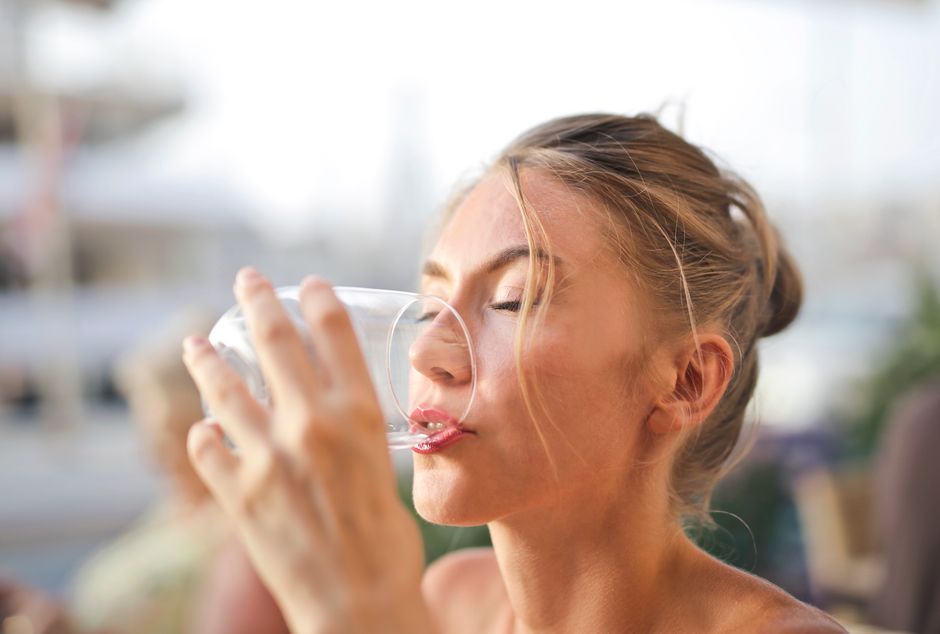
Have a physical alternative ready. A cold sparkling water, a cup of tea, or chewing gum gives your hands and mouth something to do. Some people find that a non-alcoholic beer or mocktail satisfies the ritual of drinking without the alcohol. If you choose these options, check the label — some non-alcoholic beers contain trace amounts of alcohol, and a few contain as much as 0.5% ABV, which matters for people who need complete abstinence.




How To Handle Social Situations Without Drinking
Social pressure is one of the most common reasons people relapse. Friends may not understand why you are declining a drink, and the awkwardness of explaining yourself can feel worse than the drink itself. You do not owe anyone a detailed explanation, but having a prepared response makes the moment easier. A simple “I am not drinking tonight” or “I have an early morning” is usually enough. If people push, you can say you are taking a break for health reasons — that is accurate and rarely invites debate.
Bring your own non-alcoholic drink to parties. Holding a glass reduces the number of times someone offers you a drink, because people assume you already have one. If you are at a bar or restaurant, tell the bartender or server that you are not drinking so they do not keep asking. Most venues have sparkling water, soda, or a non-alcoholic cocktail option.
You may also need to step back from certain social settings temporarily. If your closest friends only meet at bars, suggest a different activity — a walk, a coffee, a movie. Some friendships will shift, and that is a natural part of changing your relationship with alcohol. The people who matter will support your decision even if they do not fully understand it.
How To Build New Routines That Do Not Involve Alcohol
Alcohol often fills a specific role in your day — a way to decompress, celebrate, or socialize. If you remove the drink without replacing that role, the void feels uncomfortable. The solution is to build new routines that serve the same purpose without alcohol.
If you drink to unwind after work, replace that ritual with something physically distinct. A 20-minute walk, a shower, or making a cup of herbal tea can signal to your brain that the workday is over. If you drink to socialize, find activities that make conversation natural without a drink — hiking, cooking, board games, or a class where your hands are busy. Exercise is one of the most consistently effective substitutes because it releases endorphins, improves mood, and occupies your time in a way that is incompatible with drinking.
Sleep is another area where alcohol quietly sabotages you. Alcohol helps you fall asleep faster but disrupts the later stages of sleep, leaving you less rested. In the first weeks of sobriety, sleep may actually get worse before it gets better. That is temporary. Once your sleep cycle stabilizes, most people report deeper, more consistent rest, which makes it easier to manage stress and resist cravings during the day.
When To Seek Professional Help
Not everyone can stop drinking on their own, and there is no shame in that. If you have tried to cut back or quit and found yourself unable to stay stopped, that is a sign that your drinking may be more serious than a habit. If you experience withdrawal symptoms when you stop — such as shaking, sweating, nausea, rapid heartbeat, or seizures — you should not stop abruptly without medical supervision. Withdrawal from alcohol can be dangerous, and in severe cases it can be life-threatening.
Talk to your primary care doctor about your drinking honestly. They can assess whether you need medically supervised detoxification, and they can connect you with counseling or medication that supports abstinence. Medications such as naltrexone, acamprosate, and disulfiram have good evidence for reducing alcohol cravings or making drinking less rewarding. These are prescription medications, and a doctor is the right person to determine whether they are appropriate for you.
Support groups also work. Twelve-step programs like Alcoholics Anonymous have helped millions of people, and research on their effectiveness is generally positive, though the quality of the evidence varies. Other options include SMART Recovery, which uses cognitive-behavioral techniques, and individual therapy with a counselor trained in addiction. The common thread is that structured support improves your chances of success compared to going it alone.
How To Stay Motivated Over the Long Term
The first few weeks are often the hardest, but long-term sobriety brings its own challenges. The initial excitement of feeling better fades, and you may wonder whether the effort is worth it. This is a normal phase, not a sign that you have failed. What keeps people sober over years is not willpower but a life that is genuinely better without alcohol.
Track the benefits you notice, not just the drinks you avoided. Better sleep, clearer skin, more energy, improved mood, and better finances are common changes, but they are easy to forget when a craving hits. Write them down or tell someone close to you. When you are tempted, review the concrete reasons you started this in the first place.
If you slip and have a drink, do not treat it as a catastrophe. A single lapse does not erase your progress, and it does not mean you have to give up. The evidence on relapse suggests that how you respond to a slip matters more than the slip itself. Acknowledge it, figure out what triggered it, and continue with your plan the next day. The goal is not perfection — it is a healthier relationship with alcohol, one day at a time.
Frequently Asked Questions
How long does it take to stop craving alcohol?
Most people notice cravings significantly decrease after two to four weeks of abstinence. However, some people experience occasional urges for months, especially in situations that were strongly associated with drinking.
Can I quit drinking on my own safely?
Yes, if your drinking is moderate and you do not experience withdrawal symptoms when you stop. If you have withdrawal symptoms like shaking, sweating, or nausea, seek medical supervision before stopping.
What is the best non-alcoholic drink to replace alcohol?
Sparkling water with lime, non-alcoholic beer, or a mocktail can all work, depending on your preference. The key is having a drink in your hand that you enjoy, so the ritual of drinking is satisfied without alcohol.
How do I say no when friends pressure me to drink?
A simple, honest statement like “I am not drinking tonight” is usually enough. If people push, say you are taking a break for health reasons and change the subject.
