
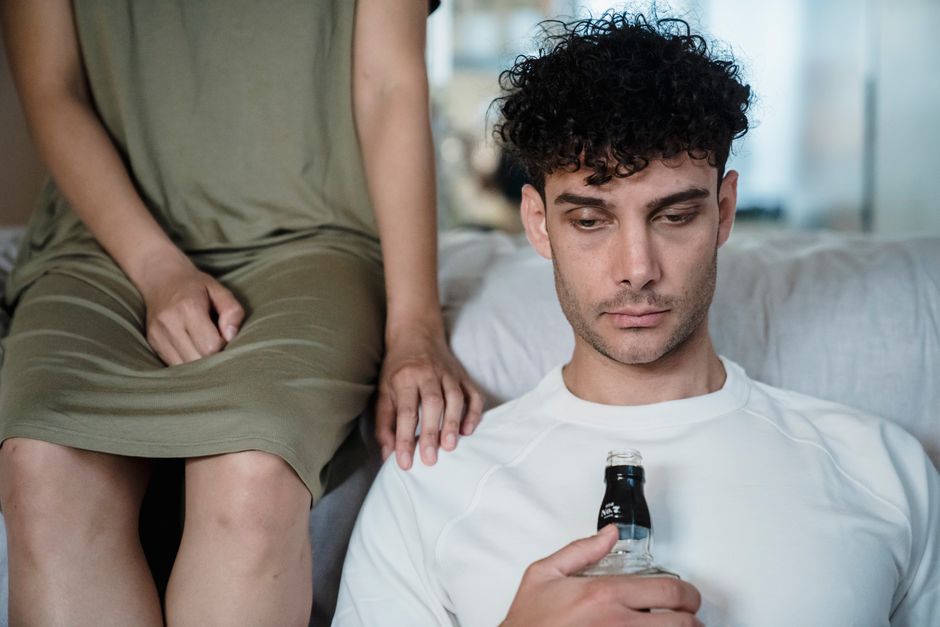
Watching someone you care about struggle with alcohol is painful. You feel helpless, frustrated, and scared all at once. The most direct way to help is to have an honest, calm conversation where you express your concern without blame or judgment. After that, the real work begins: setting clear boundaries, learning about treatment options, and taking care of yourself while you support them. Helping a loved one with an alcohol problem is a process, not a single talk.
How Do I Know If It Is A Real Problem?
Not everyone who drinks heavily has an alcohol use disorder. The line between heavy drinking and a problem is not always clear. A good starting point is to look at how drinking affects daily life. Missed work, strained relationships, financial trouble, or legal issues linked to drinking are serious signs.
Another sign is loss of control. The person may plan to have one drink and end up having several. They may hide alcohol or drink alone. They might feel guilty about drinking but cannot stop. If you notice these patterns, the situation is more serious than casual overindulgence.
Physical dependence is a later and clearer sign. Withdrawal symptoms like shaking, sweating, nausea, or anxiety when they do not drink point to a real physical need. At this stage, stopping abruptly can be dangerous. Medical supervision is often necessary for safe withdrawal.
What Should I Say And When?
Timing matters as much as words. Choose a moment when your loved one is sober and calm. Do not start this conversation when they are drunk, angry, or in the middle of a crisis. A quiet, private setting works best.
Use “I” statements instead of “you” accusations. Say “I am worried about your health” rather than “You drink too much.” Describe specific behaviors you have seen. “You missed your daughter’s recital last week” is a fact. “You are always drunk” is an attack.
Be prepared for denial. Most people with alcohol problems minimize their drinking. They may get defensive, angry, or walk away. Do not argue back. State your concerns once, clearly, and let them sit. You do not need to win the argument in one conversation. The goal is to plant a seed and show you care.
How To Help A Loved One With An Alcohol Problem Without Enabling
Helping does not mean protecting them from consequences. If you call in sick for them after a night of heavy drinking, you are enabling the behavior. If you lend money that you know will go to alcohol, you are enabling it. Enabling feels like kindness in the moment, but it delays the moment they must face the reality of their drinking.
Setting boundaries is hard but necessary. You might say “I will not be in the car with you when you have been drinking” or “I will not cover for you at work anymore.” These are not punishments. They are limits that protect you and stop shielding them from the effects of their behavior.
Detachment is not the same as abandonment. You can love someone deeply and still refuse to participate in their self-destruction. This distinction is often the hardest part for family members to accept.
Some research suggests that brief interventions by family members can encourage people to seek treatment. These structured conversations are often guided by a counselor. The approach has shown promise, though results vary. A professional can help you plan what to say and how to say it.





What Treatment Options Actually Exist?
Treatment is not one-size-fits-all. Different people need different levels of care. Detoxification is the medical management of withdrawal. It is the first step for people with physical dependence, but detox alone rarely leads to long-term sobriety. It clears the body, not the behavior.
Rehabilitation programs come in two main forms. Inpatient rehab requires living at a facility for a set period, usually 30 to 90 days. It removes the person from their environment and provides intensive therapy. Outpatient rehab allows the person to live at home and attend sessions during the day or evening. Both approaches have evidence behind them, but success depends heavily on the individual and the quality of the program.
Medications can help reduce cravings or make drinking unpleasant. Naltrexone blocks the rewarding effects of alcohol. Acamprosate helps stabilize brain chemistry after withdrawal. Disulfiram causes nausea and flushing if alcohol is consumed. These are prescription medications that require a doctor’s oversight.
Behavioral therapy is often the core of treatment. Cognitive behavioral therapy helps people identify thoughts and situations that trigger drinking. Motivational interviewing helps build internal desire to change. Both have strong research support.
What About Support Groups Like AA?
Alcoholics Anonymous and similar 12-step programs help many people. The research on their effectiveness is mixed, but that does not mean they do not work. For some people, the structure, community, and spiritual framework are exactly what they need. For others, the approach does not fit.
Alternatives exist. SMART Recovery uses a science-based approach focused on self-management and rational thinking. Moderation Management supports people who want to cut back rather than stop completely, though this approach works best for people with less severe problems. Some people benefit from online support communities.
The evidence suggests that having some kind of ongoing support improves outcomes. The specific type matters less than finding one the person will actually attend. Do not push your loved one toward a specific program. Offer options and let them choose what fits.
What If They Refuse Help?
This is the most common and most painful scenario. You cannot force an adult into treatment unless they are a danger to themselves or others. Even then, involuntary treatment is a legal process that varies by state and is reserved for extreme cases.
When someone refuses help, your options narrow but do not disappear. You can continue to express your concern without lecturing. You can maintain your boundaries. You can be clear that your door is open when they are ready.
Some families use a formal intervention with a professional facilitator. This involves gathering family and friends to confront the person about their drinking and present treatment options. Research on interventions is limited, and they can backfire if done poorly. A qualified interventionist reduces but does not eliminate the risk.
Accept that you cannot control another person’s choices. This is not failure on your part. It is the reality of loving someone with an addiction. The only behavior you fully control is your own.
How Do I Take Care Of Myself?
Supporting someone with an alcohol problem takes a heavy toll on your own mental and physical health. Anxiety, depression, and sleep problems are common among family members. You cannot pour from an empty cup.
Al-Anon is a support group designed specifically for family and friends of people with alcohol problems. It is free, widely available, and helps people understand that they did not cause the drinking, cannot control it, and cannot cure it. Many people find tremendous relief in learning this.
Individual therapy can also help you process your feelings and develop healthy coping strategies. A therapist who specializes in addiction can help you understand the dynamics at play and strengthen your boundaries. This is not selfish. It is necessary.
Keep your own life going. Maintain your friendships, hobbies, and routines. Do not let the problem consume every waking thought. Your loved one’s recovery, if it happens, will be a long process. You need stamina for the long run.
What If There Is A Medical Emergency?
Alcohol withdrawal can be fatal in severe cases. Symptoms like confusion, rapid heart rate, seizures, or hallucinations require immediate medical attention. Do not try to manage this at home. Call emergency services.
Alcohol poisoning is another emergency. Signs include confusion, vomiting, seizures, slow breathing, cold or clammy skin, and passing out. A person who cannot be awakened is in danger. Do not leave them to “sleep it off.” Call for help.
If you are unsure whether a situation is an emergency, err on the side of calling. Medical professionals are trained to assess these situations. A false alarm is far better than a preventable tragedy.
Frequently Asked Questions
How do I start a conversation with my loved one about their drinking?
Choose a time when they are sober and calm, and speak privately using “I” statements about specific behaviors you have observed. Avoid accusations and be prepared for denial or defensiveness.
Should I attend an intervention?
Only with a trained professional facilitator, because poorly planned interventions can damage relationships and worsen the situation. Research on interventions is limited, so proceed with caution.
Can I force my loved one into treatment?
No, unless they pose an immediate danger to themselves or others, and even then involuntary treatment is a legal process that varies by state. Your power lies in setting boundaries and offering support when they choose to seek help.
What do I do if my loved one has a medical emergency from alcohol?
Call emergency services immediately if you see signs of alcohol poisoning or severe withdrawal such as seizures, confusion, or inability to wake. Do not try to manage these situations at home.
