
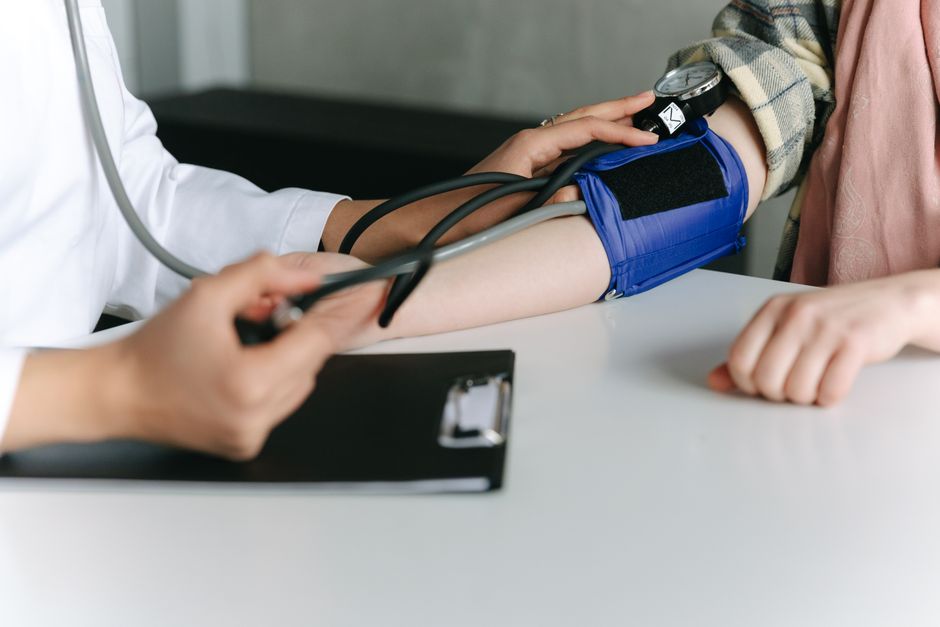
When you face a medical emergency, the first moments matter most. The best way to assess a patient in an emergency is to use the systematic ABCDE approach: check Airway, Breathing, Circulation, Disability, and Exposure. This framework helps you spot life-threatening problems fast and decide what to do next. It is used by paramedics, ER doctors, and first responders worldwide because it works.
What Is the ABCDE Approach for Emergency Assessment?
The ABCDE approach is a step-by-step method to evaluate a person in crisis. It stands for Airway, Breathing, Circulation, Disability, and Exposure. You follow these steps in order. Do not skip ahead until you have addressed each one.
This system was developed by the American College of Surgeons and is now taught globally by organizations like the American Heart Association. The key idea is simple: fix the biggest threat to life first. If someone cannot breathe, nothing else matters until their airway is clear.
Each step builds on the one before it. You check Airway first because without an open airway, breathing cannot happen. Then you check Breathing because without oxygen, the heart cannot pump. Circulation comes next because blood carries oxygen to the brain. Disability checks brain function. Exposure looks for hidden injuries.
How Do You Check a Patient’s Airway in an Emergency?
Start by asking the person a simple question. Say “Are you okay?” or “Can you hear me?” If they speak clearly, their airway is open. If they cannot speak, make grunting sounds, or are unconscious, the airway may be blocked.
Look inside the mouth. Check for vomit, blood, food, or a foreign object. If you see something blocking the airway and the person is unconscious, you can carefully sweep it out with your finger. Never do this if the person is conscious — you may push the object deeper.
For an unconscious person with no obvious blockage, use the head-tilt chin-lift maneuver. Place one hand on their forehead and gently tilt their head back. Lift their chin with your other hand. This opens the airway in most people. If you suspect a neck injury, use the jaw-thrust maneuver instead. Pull the jaw forward without moving the neck.
The Centers for Disease Control and Prevention reports that airway obstruction is a leading cause of preventable death in trauma. Getting this step right buys time for everything else.
How Do You Assess Breathing After the Airway Is Open?
Once the airway is clear, check if the person is breathing. Look at their chest. Does it rise and fall? Listen for breath sounds near their mouth and nose. Feel for air moving against your cheek. Do this for no more than 10 seconds.
A normal adult breathes 12 to 20 times per minute. Faster than 20 may mean distress. Slower than 12 may mean the brain is not getting enough oxygen. No breathing at all means you must start CPR immediately.
Also watch for signs of labored breathing. Are they using neck muscles to breathe? Are their nostrils flaring? Is their skin pulling in between their ribs? These are red flags. Research published in the journal Resuscitation found that abnormal breathing patterns are strong predictors of cardiac arrest within minutes.
If breathing is present but weak or fast, give rescue breaths if you are trained. For a person who is breathing normally, place them in the recovery position on their side. This keeps the airway open and lets fluids drain from the mouth.



How Do You Evaluate Circulation and Bleeding?
Circulation means blood is moving through the body. The most urgent threat to circulation is severe bleeding. Look for blood on the ground, on clothing, or pooling under the person. Check the entire body quickly.
If you find heavy bleeding, apply direct pressure with a clean cloth or bandage. Do not remove a cloth once it soaks through — add another on top. For life-threatening bleeding on an arm or leg, a tourniquet placed high and tight can save a life. The American College of Surgeons recommends this for uncontrolled limb bleeding.
Check the person’s pulse. The easiest spot is the wrist (radial pulse) or the neck (carotid pulse). A weak or fast pulse — over 100 beats per minute — can indicate shock. A slow pulse — under 60 — can mean the heart is struggling. No pulse means start CPR.
Also check skin color and temperature. Pale, cool, clammy skin is a sign of poor circulation. Press on a fingernail or the forehead. If color returns slowly, blood flow is compromised. These signs help you decide how urgent the situation is.
How Do You Check Disability and Neurological Status?
Disability means checking brain function. The quickest tool is the AVPU scale. It stands for Alert, Voice, Pain, Unresponsive. Ask yourself: Is the person fully awake? Do they respond only when you speak to them? Only when you apply pain? Or not at all?
For a more detailed check, use the Glasgow Coma Scale. It scores eye opening, verbal response, and motor response on a scale of 3 to 15. A score of 15 means fully alert. A score of 8 or below means severe brain injury. You do not need to memorize the full scale — just know that a drop in responsiveness is a red flag.
Check pupil size and reaction. Shine a light in each eye. Both pupils should shrink equally. Unequal pupils can signal a brain injury or stroke. Also ask the person to squeeze your hands equally. Weakness on one side is another stroke sign.
The American Stroke Association notes that a person who suddenly cannot smile, raise both arms, or speak clearly is having a stroke. This is the FAST test: Face, Arms, Speech, Time. Time is brain — every minute without treatment destroys about 1.9 million neurons.
What Does a Full Body Exposure Check Involve?
Exposure means looking for hidden injuries. Cut or remove clothing if needed. Look for bruises, deformities, burns, or puncture wounds. Check the back, especially if the person was in a fall or accident. Do not move the spine if you suspect neck or back injury.
Also check temperature. A person in shock or exposed to cold can become hypothermic quickly. Cover them with a blanket or jacket. Hypothermia worsens bleeding and slows the heart. The National Institutes of Health states that maintaining normal body temperature improves survival in trauma patients.
Do not spend too long on exposure. The goal is to find hidden threats, not to do a full physical exam. Once you have checked, cover the person back up and keep them warm.
How Does the Primary and Secondary Survey Work Together?
The ABCDE check is called the primary survey. It is fast and focused on life threats. Once you have stabilized the person, you move to the secondary survey. This is a more thorough head-to-toe exam.
In the secondary survey, you check every body part. Feel the skull for bumps or depressions. Check the collarbones, ribs, and pelvis for fractures. Look at the abdomen for swelling or tenderness. Check the arms and legs for deformities or pulses. Ask about medical history, allergies, medications, and when symptoms started.
The table below shows the difference between the two surveys:
| Survey Type | Purpose | Time | Focus |
|---|---|---|---|
| Primary Survey | Find and fix life threats | 1-2 minutes | ABCDE |
| Secondary Survey | Find all other injuries | 5-10 minutes | Head-to-toe exam |
Never do a secondary survey if the person is unstable. Always go back to ABCDE if their condition worsens. The primary survey is your anchor — return to it whenever you are unsure.
What Are Common Mistakes in Emergency Patient Assessment?
One common mistake is skipping steps. People often jump straight to circulation because bleeding is dramatic. But if the airway is blocked, fixing circulation will not help. Follow the order every time.
Another mistake is spending too long on one step. The primary survey should take about 60 to 90 seconds. If you spend five minutes checking pupils, you miss other problems. Move through each step quickly and return if needed.
A third mistake is ignoring the scene. Before you touch the patient, make sure it is safe. Check for fire, gas, traffic, or downed power lines. The National Safety Council emphasizes that rescuer safety comes first. A second victim does not help anyone.
Some people also forget to call for help. If you are alone, call 911 or your local emergency number after checking airway and breathing. Do not wait until the full assessment is done. Early activation of emergency services saves lives.
Frequently Asked Questions
What is the first step in assessing a patient in an emergency?
The first step is to ensure the scene is safe for you and the patient. Then check the airway using the head-tilt chin-lift or jaw-thrust maneuver.
How long should the primary survey take?
The primary survey should take about 60 to 90 seconds. It is a rapid check for life-threatening problems only.
When should I start CPR during an emergency assessment?
Start CPR immediately if the patient is not breathing and has no pulse. Call 911 first if you are alone, then begin chest compressions.
What does the AVPU scale measure?
The AVPU scale measures a patient’s level of consciousness. It stands for Alert, Voice, Pain, and Unresponsive.
