
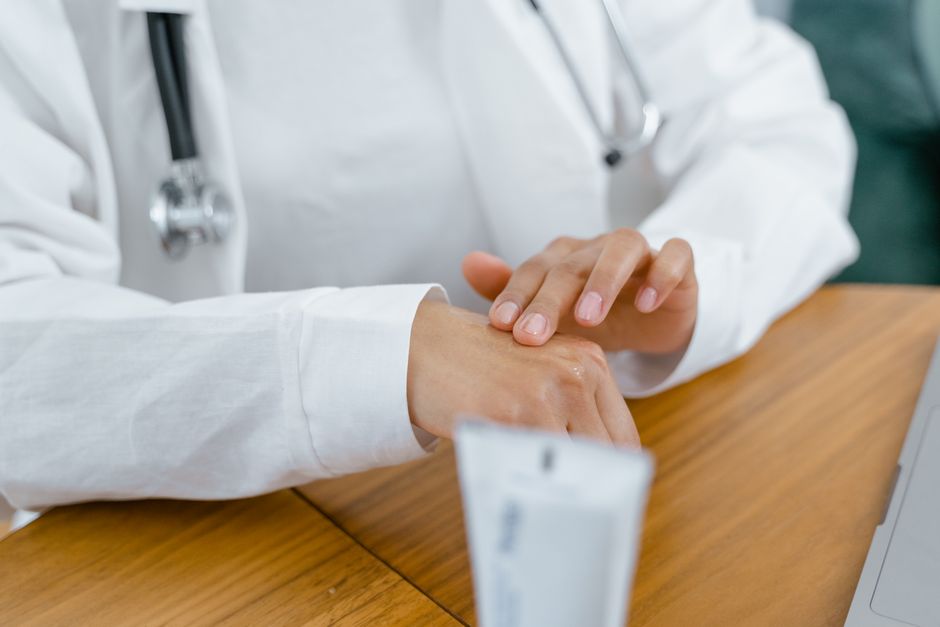
The skin is the body’s largest organ, and it does more than hold you together. It works with your immune system as a first-line defense, a chemical factory, and a communications hub. The integumentary system — skin, hair, nails, and the glands within them — blocks most microbes from getting inside, makes antimicrobial substances that kill others on contact, and sends immune signals that rally deeper defenses when something gets through.
That partnership runs in both directions. Skin cells help direct immune activity, and immune cells patrol the skin and help repair it. When the partnership works, you rarely notice. When it breaks down, you get infections, rashes, or chronic skin inflammation.
How Does the Skin Act as a Physical Barrier to Infection?
The outer layer of skin, the stratum corneum, is a wall of dead, flattened cells packed with the protein keratin and sealed with lipids. Microbes have a hard time crossing it. The layers underneath are tightly joined by protein connections that keep cells locked together, so there are few gaps to exploit.
The barrier is more than a wall. Skin constantly sheds its outermost cells, and any microbes clinging to them get shed too. The surface is also mildly acidic, typically around pH 4.5 to 5.5 in most areas. That acidity comes partly from fatty acids in sebum and partly from lactic acid in sweat. Many bacteria grow poorly in that range.
Sweat adds another layer. It carries salt and antimicrobial peptides that make the skin surface a hostile place for many organisms. The barrier is not perfect, though. Hair follicles, sweat ducts, and tiny breaks in the skin are all entry points. That is why a small cut can become infected while intact skin usually resists invasion.
What Antimicrobial Substances Does the Skin Produce?
Skin cells make their own antibiotics. Keratinocytes, the main cells of the outer skin, produce small proteins called antimicrobial peptides. Two well-studied examples are defensins and cathelicidin. These peptides can disrupt bacterial membranes and interfere with fungal and some viral growth.
Sebaceous glands add to the mix. They release sebum, an oily substance containing fatty acids that inhibit several types of bacteria. Eccrine sweat glands produce dermcidin, an antimicrobial peptide that stays active in the salty, slightly acidic sweat on your skin.
This chemical defense has limits. It works best against microbes on the surface. It does not sterilize the skin, and it does not replace immune cells. The skin surface always carries a resident community of microbes — the skin microbiome — and most of them live there harmlessly. Some appear to help by competing with harmful organisms for space and nutrients, though the details of that protection are still being worked out.
How Do Immune Cells in the Skin Work?
The skin has its own resident immune cells, and they are not just passive guards. Keratinocytes themselves sense microbes through pattern-recognition receptors. When they detect bacterial or fungal components, they release signaling molecules called cytokines and chemokines that call immune cells to the area.
Langerhans cells are a specialized type of dendritic cell that sit in the epidermis. They sample antigens from the skin surface, then travel through lymph vessels to nearby lymph nodes. There they present those antigens to T cells, which is how the immune system learns what it is encountering and mounts a targeted response.
Dermal dendritic cells and mast cells add to the response. Mast cells release histamine and other mediators that widen blood vessels, which is why an infected or inflamed area becomes red, warm, and swollen. Macrophages and T cells patrol the dermis and move into the epidermis when needed. This local network can handle many threats without a full-body immune response.





How Does Skin Communicate With the Rest of the Immune System?
Skin is not an isolated outpost. It is connected to the rest of the immune system through lymph vessels and the bloodstream. When skin cells detect a threat, the cytokines they release enter circulation and can influence immune activity elsewhere.
There is a less obvious layer to this. The skin produces vitamin D when exposed to ultraviolet B light from the sun, and vitamin D influences immune cell function. Skin cells and immune cells both carry the enzyme needed to convert vitamin D into its active form. This has led to interest in how sun exposure and vitamin D status relate to immune regulation, though the clinical significance is still debated and the evidence is mixed.
Skin also houses a large population of memory T cells. These are immune cells that have encountered a pathogen before and remain in the tissue, ready to respond faster on re-exposure. Having them stationed in the skin means a repeat infection can be met quickly at the site of entry.
What Happens When the Skin Barrier Is Broken?
A break in the skin changes the immune equation fast. Burns, wounds, surgical incisions, and even eczema flares remove the physical barrier and expose tissue to microbes that were previously kept out. The risk of infection rises with the size and depth of the break.
Burns are a serious example. Large burns destroy the barrier over a wide area and also damage the skin’s immune cells and blood supply. Infection is a leading cause of complications in severe burns, which is why burn care focuses heavily on protecting the wound and preventing infection.
Chronic skin conditions show the flip side. In atopic dermatitis, the barrier is defective and the skin is often colonized by Staphylococcus aureus. That colonization can worsen inflammation, and treating the barrier problem often helps the immune problem. This is one reason moisturizing and barrier repair are central to eczema care — they address the physical defense that the immune system depends on.
Why Does Skin Health Matter for Overall Immunity?
Healthy skin is part of a healthy immune system. When the barrier is intact, the immune system spends less effort fighting invaders at the surface. When it is compromised, infections become more likely and inflammation can become chronic.
Age matters here. Skin thins and its barrier function declines with age, and immune responses in the skin become less efficient. Older adults are more prone to skin infections and slower wound healing. This is a normal part of aging, not a sign of disease on its own.
Nutrition, hydration, and avoiding excessive damage from sun and harsh soaps all support barrier function. The evidence for specific supplements or “immune-boosting” skin products is limited. No product has been shown in large human trials to strengthen skin immunity in a meaningful way. Basic care — gentle cleansing, moisturizing, and protecting skin from injury and excessive UV exposure — rests on much firmer ground.
One clarification worth making: the skin is not a passive shield that the immune system uses. The two are integrated. Skin cells make immune signals, immune cells live in the skin, and the barrier and the immune response reinforce each other. Damage to one tends to damage the other.
Frequently Asked Questions
Does the skin have its own immune system?
Yes. The skin contains resident immune cells including Langerhans cells, dermal dendritic cells, mast cells, macrophages, and memory T cells. Skin cells also produce antimicrobial peptides and signaling molecules that coordinate immune responses locally.
How does sweat protect against infection?
Sweat carries salt and antimicrobial peptides such as dermcidin that inhibit many microbes on the skin surface. It also contributes to the skin’s mildly acidic pH, which slows the growth of many bacteria.
Why do burns increase infection risk so much?
Burns destroy the physical barrier over a wide area and damage the skin’s immune cells and blood supply. That combination lets microbes enter and makes it harder for immune cells to reach the wound, which is why infection is a leading complication of severe burns.
Can damaged skin weaken my immune system?
Damaged skin raises the risk of local infection and can drive chronic inflammation, as in eczema. It does not generally weaken the whole immune system, but it does remove a key first-line defense and increase the immune workload.
