
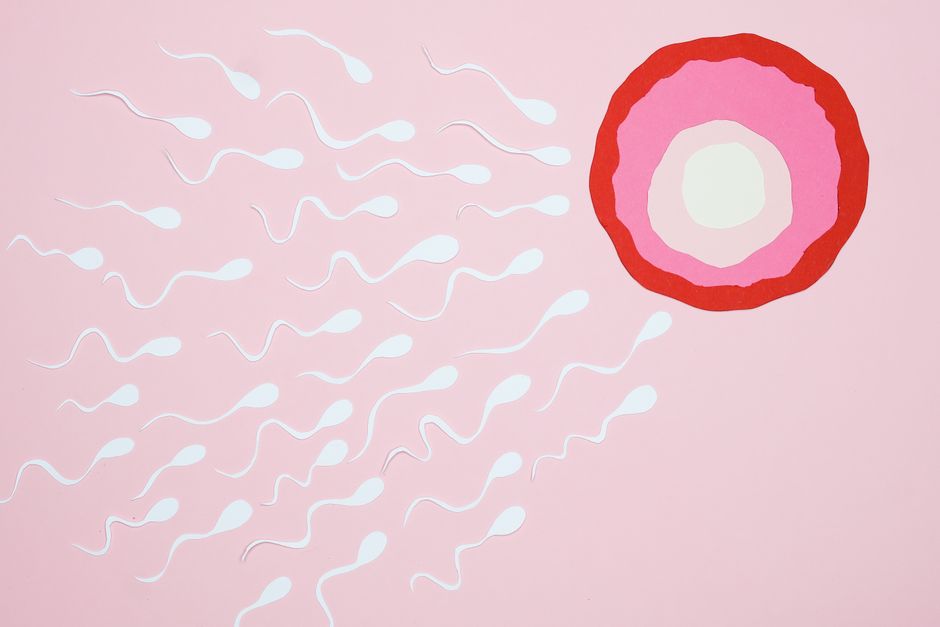
Conception can happen within minutes of ovulation, but the fertile window is wider than most people think. Sperm can survive in the reproductive tract for up to five days, waiting for an egg to be released. The egg itself lives only about 12 to 24 hours after ovulation. So the real answer is that conception usually happens within a day of ovulation — but the sex that leads to it may have occurred several days earlier.
That gap between when sperm arrives and when the egg appears is the single most useful fact for anyone trying to conceive or trying to avoid pregnancy. It reframes the whole question. Timing is not about one moment. It is about a window.
How Soon After Ovulation Does Conception Happen?
If sperm are already waiting in the fallopian tube when the egg is released, fertilization can occur within minutes to a few hours. If sperm arrive after ovulation, the window is short. The egg begins to degrade within roughly 12 to 24 hours, and after that fertilization is no longer considered possible.
This is well-established reproductive biology, not a debated point. The American College of Obstetricians and Gynecologists describes the fertile window as the days leading up to and including ovulation, because sperm survival — not egg survival — is what stretches the timeline.
One clarification that surprises many people: ovulation is not always a single instant. It is a process. The follicle ruptures and releases the egg, and the egg is then picked up by the fallopian tube. The exact hour is not something you can feel or precisely detect from home. Fertility apps and ovulation tests estimate it. They do not confirm it.
How Long Do Sperm and Eggs Survive?
These two numbers explain almost everything about conception timing. Sperm survive longer than most people assume. Eggs survive far less time than most people assume.
- Sperm: Up to about five days in fertile cervical mucus. In less favorable conditions, survival is shorter.
- Egg: Roughly 12 to 24 hours after release before it is no longer viable for fertilization.
Put those together and you get the practical rule: the days before ovulation matter more than the day after. A couple who has sex four days before ovulation can still conceive. A couple who waits until two days after ovulation generally cannot, for that cycle.
This is also why the rhythm method and calendar-based approaches have higher failure rates than many people expect. They depend on predicting ovulation in advance, and ovulation timing varies from cycle to cycle in the same person.
What Actually Happens After the Egg Is Fertilized?
Fertilization is not the same as conception in the way many people use the word. Fertilization is the joining of sperm and egg. Implantation — when the resulting embryo attaches to the uterine lining — is what allows a pregnancy to continue. These are separate events, days apart.
After fertilization in the fallopian tube, the developing embryo travels toward the uterus. This journey takes several days. Implantation typically occurs roughly 6 to 12 days after ovulation, though the range varies. Some research suggests implantation outside that window is associated with higher rates of early pregnancy loss.
This timing matters for a practical reason. Home pregnancy tests detect hCG, a hormone the body produces after implantation — not after fertilization. Testing too early can produce a negative result even when fertilization has occurred. That is not a false negative in the technical sense. The hormone simply is not there yet.



Can You Get Pregnant Before You Ovulate?
Yes, and it is common. Pregnancy from sex that happened before ovulation is entirely possible because sperm can wait. This is the part of the fertile window many people underestimate.
The fertile window is generally described as the five days before ovulation plus the day of ovulation itself. Some estimates extend it slightly. The day after ovulation is much less likely to result in pregnancy, and by two days after, it is generally considered outside the window.
For anyone trying to conceive, this means the days leading up to ovulation are the ones to prioritize. For anyone trying to avoid pregnancy, it means the days before ovulation carry risk too — not just the day itself.
How Do You Know When Ovulation Happened?
You cannot confirm ovulation from symptoms alone. This is one of the most common points of confusion, and it is worth being direct about. Signs like cervical mucus changes, mild cramping, and breast tenderness are associated with the menstrual cycle, but they do not reliably pinpoint the day an egg was released.
Ovulation predictor kits detect a surge in luteinizing hormone (LH) in urine. The LH surge typically precedes ovulation by about 24 to 36 hours, though this varies. A positive test means ovulation is likely approaching. It does not confirm that it happened.
Basal body temperature rises slightly after ovulation and stays elevated. That confirms ovulation in hindsight — after the fertile window has largely passed. It is useful for understanding your cycle patterns over time. It is not useful for timing sex in the current cycle.
Some clinicians use ultrasound monitoring or progesterone blood tests to confirm ovulation, typically in a fertility evaluation. These are not routine for most people.
Does Timing Guarantee Pregnancy?
No. This is where honest information matters most. Even with perfect timing, conception does not happen every cycle. Estimates vary, but research on natural conception suggests the probability of pregnancy per cycle in healthy couples is well below 50%, and it declines with age.
Fertilization depends on many factors beyond timing: egg quality, sperm quality, fallopian tube function, and the uterine environment. Timing is one variable. It is not the only one, and it is not a guarantee.
If a couple has been trying to conceive for a year without success — or six months if the woman is 35 or older — a medical evaluation is generally recommended. Those timelines reflect common clinical guidance, though individual circumstances vary.
The Bottom Line on Conception Timing
Conception happens within about a day of ovulation when sperm are already present. The egg does not wait long. But the fertile window opens days earlier, because sperm can survive and wait for the egg to arrive.
That is the practical takeaway. The days before ovulation carry the most potential. The day after carries little. And no timing method guarantees a pregnancy — it improves the odds, and that is a different claim.
Frequently Asked Questions
How soon after ovulation can fertilization occur?
Fertilization can occur within minutes to a few hours if sperm are already present in the fallopian tube when the egg is released. The egg remains viable for roughly 12 to 24 hours after ovulation.
Can you get pregnant 3 days after ovulation?
Pregnancy three days after ovulation is considered very unlikely because the egg is generally no longer viable by then. The fertile window is centered on the days before and including ovulation.
How long after ovulation does implantation happen?
Implantation typically occurs about 6 to 12 days after ovulation, though the range varies. A home pregnancy test may not show a positive result until after implantation has occurred.
Can you get pregnant from sex before ovulation?
Yes, because sperm can survive in the reproductive tract for up to about five days. Sex in the days before ovulation is how many pregnancies occur.
