
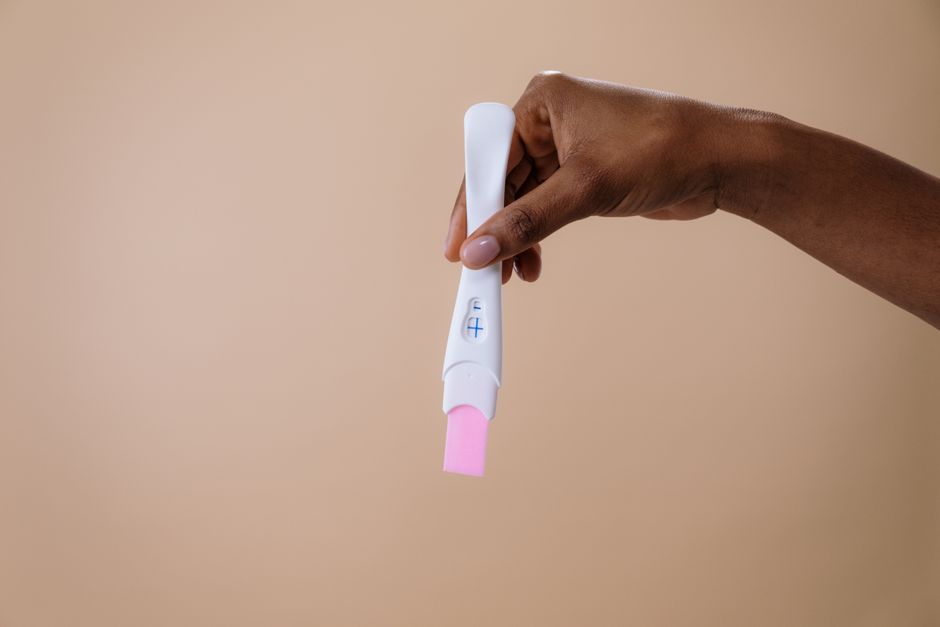
Finding out you might be pregnant often starts with a single question: how soon can I know? The answer depends on when conception happened and which test you use. Most home pregnancy tests can detect pregnancy about 12 to 14 days after ovulation, which is roughly the same time your period would be due. However, a blood test ordered by a doctor can confirm pregnancy as early as 8 to 10 days after ovulation. The timing matters because your body needs to produce enough of the pregnancy hormone hCG for a test to find it.
How Soon After Conception Can You Test For Pregnancy?
The shortest answer is that a sensitive home urine test can work about 12 to 14 days after conception. Conception occurs when a sperm fertilizes an egg, which happens in the fallopian tube. After fertilization, the egg travels toward the uterus and implants into the uterine lining. Implantation typically happens 6 to 10 days after ovulation. Only after implantation does your body begin producing the hormone human chorionic gonadotropin, or hCG.
Early pregnancy tests work by detecting hCG in your urine. Before implantation, there is no hCG to detect. Testing too soon, before implantation has occurred, will give a negative result even if you are pregnant. This is why timing your test around your expected period date gives the most reliable answer.
What Is hCG and How Does It Affect Test Results?
hCG is a hormone produced by cells that form the placenta. Its job is to support the pregnancy by maintaining progesterone production from the ovaries. This keeps the uterine lining intact during early pregnancy.
After implantation, hCG levels rise quickly. They typically double every 48 to 72 hours in early pregnancy. For home urine tests, the sensitivity matters. Most standard tests detect hCG at levels of 25 mIU/mL or higher. Some early detection tests claim sensitivity at 10 mIU/mL, which could detect pregnancy a day or two earlier. However, even with a sensitive test, hCG levels may be too low to detect before your missed period.
Blood tests done in a doctor’s office can measure hCG at much lower levels, around 5 mIU/mL. This is why a blood test can confirm pregnancy earlier than a urine test.
When Is the Best Time to Take a Home Pregnancy Test?
The most reliable time to take a home pregnancy test is on the first day of your missed period. For someone with a regular 28-day cycle, this is about 14 days after ovulation. Testing at this point gives you the highest chance of an accurate result because hCG levels have had time to rise.
Testing earlier than your missed period increases the chance of a false negative. A false negative means the test says you are not pregnant when you actually are. This happens because hCG levels are simply too low for the test to detect.
If you test early and get a negative result, it does not mean you are not pregnant. Wait two to three days and test again. By then, hCG levels will have risen significantly if you are pregnant.



How Accurate Are Early Detection Pregnancy Tests?
Early detection tests are designed to be sensitive to lower levels of hCG. Some brands claim they can detect pregnancy up to five days before your missed period. This is technically possible, but the accuracy at that point is lower.
Research shows that testing four to five days before your missed period detects pregnancy in only about half of pregnant women. By the day of your missed period, the accuracy rises to over 99 percent for most tests. The key point is that a negative result before your missed period is not definitive. A positive result before your missed period is usually reliable, but it is worth confirming with a second test a few days later.
No home test can tell you exactly when conception occurred. They only measure whether hCG is present in your urine.
Can a Blood Test Detect Pregnancy Earlier Than a Urine Test?
Yes. A blood test for hCG can detect pregnancy about 6 to 8 days after ovulation. This is because blood tests measure hCG directly in your bloodstream, where levels appear earlier and are more concentrated than in urine.
There are two types of blood pregnancy tests. A qualitative test simply gives a yes or no answer. A quantitative test, often called a beta hCG test, measures the exact amount of hCG in your blood. The quantitative test is useful for tracking how a pregnancy is progressing in its early weeks, especially if there are concerns about miscarriage or ectopic pregnancy.
Blood tests are not typically done just to confirm pregnancy unless there is a medical reason. Home urine tests are highly accurate and much more convenient.
What Can Cause a False Negative or False Positive?
False negatives are more common than false positives. The main causes of a false negative are testing too early, using diluted urine, or testing later in the day when hCG concentration is lower. For the most accurate urine test result, use your first morning urine. It has the highest concentration of hCG because you have not been drinking fluids overnight.
False positives are rare but possible. They can happen if you take the test too close to a recent pregnancy, such as after a miscarriage or childbirth, because hCG can remain in your system for weeks. Certain fertility medications that contain hCG, such as some used in IVF treatment, can also cause a false positive. Some rare medical conditions, including certain ovarian tumors, can produce hCG and cause a positive test result.
If you get a positive result and then a negative result a few days later, this is called a chemical pregnancy. This means a fertilized egg implanted but stopped developing early. It is common and often happens before a woman even knows she is pregnant.
What Should You Do After a Positive Test?
A positive home pregnancy test is a strong indicator that you are pregnant. You should schedule an appointment with a healthcare provider to confirm the pregnancy and discuss next steps. Your doctor may do a blood test or an ultrasound to confirm the pregnancy and estimate your due date.
If you have been trying to conceive and get a positive result, begin taking a prenatal vitamin with folic acid if you have not already. Folic acid helps prevent neural tube defects in early pregnancy. The recommended dose is 400 to 800 micrograms daily, but your doctor can give you specific guidance.
If you get a positive test and then develop severe pain, especially on one side of your abdomen, or abnormal bleeding, contact a healthcare provider promptly. These symptoms can indicate an ectopic pregnancy, which requires urgent medical attention.
Frequently Asked Questions
How many days after conception can a home test detect pregnancy?
A home urine test can detect pregnancy about 12 to 14 days after conception, which is around the time your period is due. Testing earlier increases the chance of a false negative because hCG levels may still be too low.
Can I test positive 7 days after conception?
It is unlikely. At 7 days after conception, implantation may have just occurred or may not have happened yet, so hCG levels are usually too low for a urine test to detect. A blood test could potentially detect pregnancy at this point, but a urine test is not reliable this early.
Is a negative test before my missed period reliable?
No, a negative test before your missed period is not definitive. hCG levels may simply be too low to detect. Wait until the day of your missed period or a few days after, and test again for the most accurate result.
How soon after a missed period should I test?
Testing on the first day of your missed period is the most reliable time. If you get a negative result but still have no period, wait three days and test again.
