
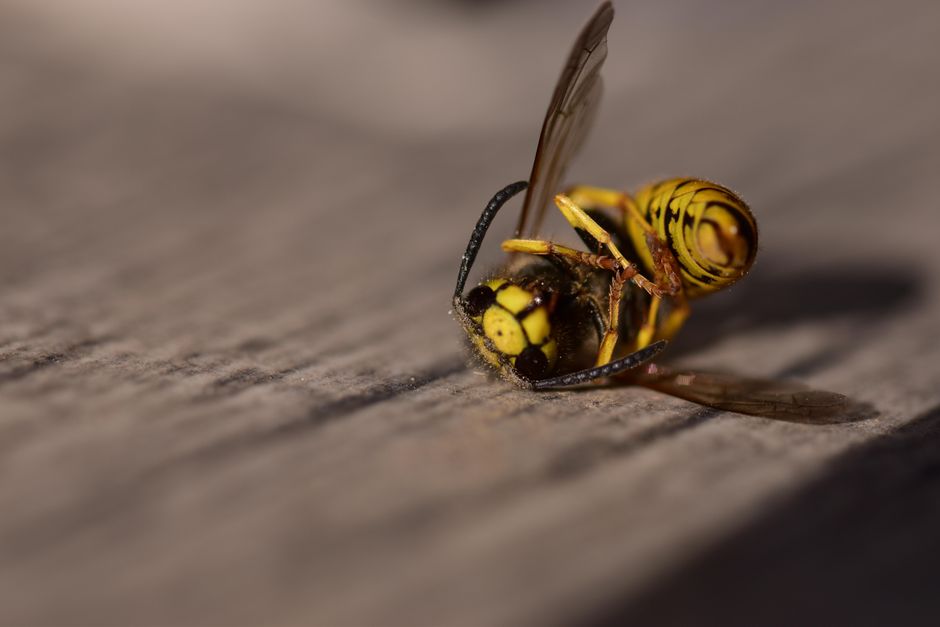
An ovipositor is a tube-like organ many female insects use to lay eggs. It sits at the rear of the abdomen and works like a precision delivery system, guiding eggs into soil, plant tissue, or even other animals. In some insects, this same structure has evolved into a defensive weapon — the stinger you find on bees, wasps, and ants. The ovipositor is one of the most versatile tools in the insect world, and understanding how it works explains a great deal about insect behavior, survival, and evolution.
What Exactly Is an Ovipositor?
An ovipositor is an organ found on females of many insect species. Its primary job is to place eggs where they have the best chance of surviving. The word comes from Latin — ovum means egg, and positor means one who places.
Think of it as a flexible tube with muscles, sensory nerves, and often a sharp tip. The insect controls it with precise movements, almost like a skilled surgeon using a tool. Some ovipositors are long and needle-like, while others are short and saw-like. The shape depends entirely on where the eggs need to go.
Grasshoppers, crickets, katydids, sawflies, parasitic wasps, and many flies all have ovipositors. The structure is not universal across all insects, but it is common among species that lay eggs in protected or hidden locations.
How Ovipositors Work From Egg Laying To Stingers?
The ovipositor works through a combination of muscle control, sensory feedback, and mechanical design. When a female is ready to lay eggs, she extends the ovipositor from her abdomen. Muscles at the base push the organ outward and guide it toward the target.
Many ovipositors have two or three pairs of valves — long, sliding blades that move against each other. These valves can saw through plant stems, drill into wood, or pierce soil. The insect uses its legs and abdomen to apply pressure while the valves work back and forth.
Sensory hairs along the ovipositor detect moisture, temperature, and chemical cues. This helps the female choose a good spot. Once the location is right, the eggs travel down a central canal inside the ovipositor and pass into the substrate.
In some species, the ovipositor also injects chemicals. Parasitic wasps, for example, lay eggs inside caterpillars or other hosts. Their ovipositor delivers the egg along with venom that paralyzes the host or suppresses its immune system. The egg hatches and feeds on the host from the inside.
In bees, wasps, and ants, the ovipositor took a different evolutionary path. Instead of only laying eggs, it became connected to venom glands. The sharp valves became a stinger. The same muscles that guide egg placement now drive the stinger into predators or threats. This is why only female bees and wasps can sting — the stinger is a modified female reproductive organ.
Why Do Some Insects Have Long Ovipositors?
Length matters in the insect world. A long ovipositor allows a female to reach eggs that are deep inside wood, soil, or thick plant tissue. This is not a random trait — it is shaped by the needs of each species.
The giant ichneumon wasp is a dramatic example. Females can have ovipositors several inches long, which they use to drill through tree bark and lay eggs on wood-boring beetle larvae. The ovipositor is longer than the wasp’s entire body in some species.
This length creates a challenge. The wasp must sense what is at the tip of a very long, thin tube. Specialized sensory structures at the tip send signals back to the brain, allowing the wasp to locate host larvae hidden deep in the wood.
Short ovipositors are equally functional. Fruit flies, for example, use a short, sturdy ovipositor to pierce soft fruit skins. Grasshoppers use a short, blunt ovipositor to deposit eggs in soil. The length reflects the egg-laying strategy, not the insect’s overall size.





The Difference Between an Ovipositor and a Stinger
Not every stinger is an ovipositor, but every true stinger in bees, wasps, and ants evolved from one. The key difference is function. An ovipositor delivers eggs. A stinger delivers venom.
In bees and wasps, the ovipositor valves became hardened and sharp. They connect to venom glands that produce complex toxin mixtures. The muscles that once guided egg placement now control the stinger’s thrust and depth.
There is an important detail here — male bees, wasps, and ants do not have stingers. They lack the ovipositor entirely because it is a female structure. If you are stung by a bee or wasp, it was always a female.
Some insects have structures that look like stingers but are not. Certain flies and beetles have sharp abdominal appendages used for defense or mating. These are not ovipositors and did not evolve from them. The resemblance is coincidental.
How Parasitic Wasps Use Their Ovipositors
Parasitic wasps — often called parasitoids — are among the most remarkable ovipositor users. These wasps lay eggs on or inside other insects, and the developing larvae consume the host. The ovipositor is the tool that makes this possible.
Some parasitoid wasps have ovipositors with a drilling action. The valves rotate and scrape against each other, boring through wood or plant material to reach a hidden host. This is not a simple puncture — it is a controlled, mechanical process that can take several minutes.
Others use the ovipositor to inject venom that alters the host’s physiology. The venom can slow the host’s development, suppress its immune response, or change its behavior. Some wasps even inject viruses that disable the host’s defenses, allowing the wasp’s eggs to survive.
This is not a rare or exotic behavior. Parasitoid wasps are incredibly diverse, with tens of thousands of species worldwide. Many play important roles in controlling agricultural pests. Farmers and researchers have studied their ovipositors to understand how to use these wasps in pest management.
How Insect Ovipositors Sense the Environment
The ovipositor is not just a mechanical tube. It is packed with sensory structures that provide the insect with detailed information about its surroundings.
Mechanoreceptors detect pressure and vibration. They tell the insect whether the surface is hard or soft, and whether the ovipositor is bending or meeting resistance. Chemoreceptors detect chemical signals — the presence of host insects, plant compounds, or moisture levels.
Temperature receptors help some insects choose sites with suitable conditions for egg development. In species that lay eggs inside living hosts, the ovipositor can detect the host’s internal chemistry, confirming that the host is healthy and suitable.
This sensory information is processed in the insect’s nervous system in real time. The insect adjusts its egg-laying decisions based on what the ovipositor detects. A wasp that finds a poor host may withdraw and search elsewhere.
Do All Insects With Ovipositors Sting?
No. Most insects with ovipositors cannot sting at all. The ovipositor is primarily for egg laying. Venom injection is a specialized adaptation found in a specific group — the aculeate wasps, bees, and ants.
Grasshoppers, crickets, and katydids have ovipositors but no venom. Their ovipositors are used only to deposit eggs in soil or plant material. Sawflies have ovipositors with saw-like edges for cutting into plant tissue, but they do not sting.
Some parasitic wasps can use their ovipositors to deliver venom into hosts, but they rarely use it against humans. The ovipositor is not designed for defense. It is long, thin, and often fragile. A parasitoid wasp will usually fly away rather than attempt to pierce a human.
The stinging behavior you associate with bees and wasps is a defensive adaptation. The stinger is a modified ovipositor, but not all ovipositors became stingers.
What Happens When an Insect Loses Its Ovipositor?
Some insects have lost their ovipositors entirely through evolution. This happens when egg-laying no longer requires a specialized tube. Insects that drop eggs freely into water, soil, or open air do not need the structure.
In these species, the eggs are released directly from the abdomen. The ovipositor is reduced to a small, non-functional remnant or disappears completely. This is an example of evolutionary trade-off — the energy and resources used to build and maintain the ovipositor are redirected elsewhere.
Flies are a good example. Many fly species have simple, reduced ovipositors or none at all. They lay eggs on decaying matter, dung, or open surfaces where precise placement is unnecessary. The loss of the ovipositor is not a disadvantage in these environments.
Frequently Asked Questions
Can a bee sting you more than once?
Honey bees usually sting only once because the stinger and attached venom sac tear away from the body. Wasps and other bees have smooth stingers that can be used repeatedly.
Do male wasps sting?
No. The stinger is a modified ovipositor, which is a female reproductive organ, so males lack it entirely.
Is an ovipositor the same as a stinger?
No, but a stinger evolved from an ovipositor. The ovipositor lays eggs, while the stinger delivers venom in bees, wasps, and ants.
Why do some wasps have very long ovipositors?
Long ovipositors allow females to reach hosts hidden deep inside wood, soil, or plant tissue. The length matches the depth of the target.
Understanding the ovipositor changes how you see insects. The stinger on a wasp is not a separate weapon — it is a repurposed egg-laying tool. The same structure that creates new life also defends it. That dual role is rare in nature, and it makes the ovipositor one of the most interesting organs in the animal kingdom.
