
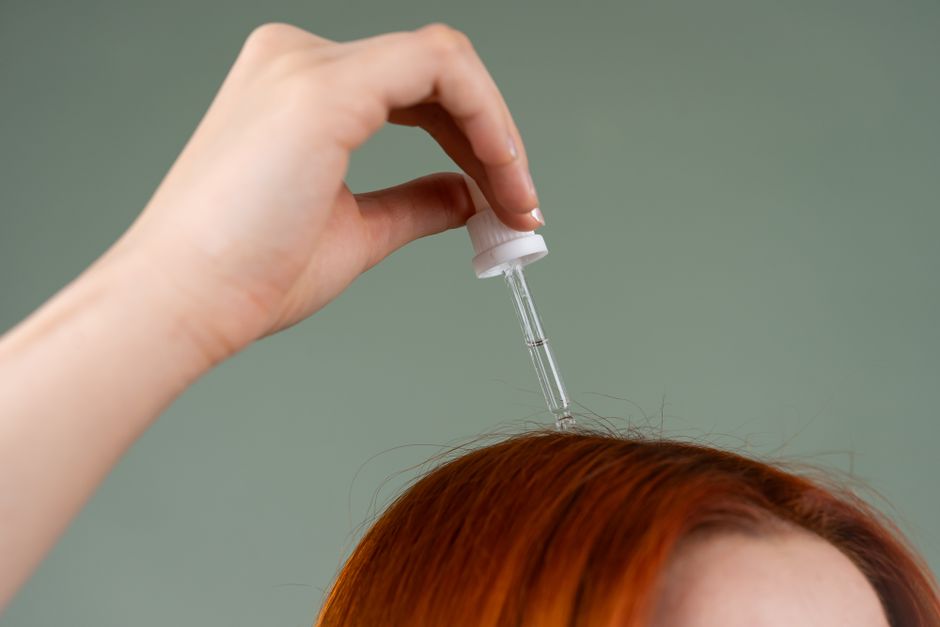
Hair oiling is one of the oldest hair care practices, but there is no single schedule that works for everyone. How often you should use hair oil depends almost entirely on your hair type, your scalp condition, and the specific oil you choose. For most people, applying oil 1 to 2 times per week is a reasonable starting point, but fine hair may need less while thick, coarse, or curly hair often benefits from more frequent application.
Why Hair Type Changes How Often You Should Oil
Your scalp produces natural sebum, which is your body’s own hair oil. The amount you produce determines how much additional oil your hair actually needs. People with fine or thin hair tend to produce enough sebum to coat their strands quickly. Adding more oil can weigh hair down and make it look flat or greasy within hours.
People with thick, coarse, or tightly curled hair usually produce less sebum along the hair shaft. The natural oil has a harder time traveling down curly or coily strands. This is why those hair types often need external oil to maintain moisture and reduce breakage.
Your hair’s porosity also matters. High-porosity hair absorbs oil quickly because the cuticle is lifted or damaged. Low-porosity hair has tightly closed cuticles, so oil sits on the surface rather than soaking in. Neither is better, but both change how often you should reach for the bottle.
How Often To Use Hair Oil Based On Your Hair Type: Oily and Fine Hair
If your hair becomes oily by the end of the day or you have very fine strands, treat oil as an occasional treatment rather than a daily habit. Oiling once every 1 to 2 weeks is usually enough. Some people with very oily scalps do better with once a month.
When you do oil, focus on the ends of your hair rather than the scalp. The ends are the oldest part of the strand and the most prone to splitting. A few drops rubbed between your palms and pressed onto the lengths can smooth frizz without making the roots look greasy.
Avoid heavy oils like coconut or castor oil if you have fine hair. These are thick and can coat the strand too heavily. Lighter oils such as argan, jojoba, or grapeseed oil absorb more easily and are less likely to leave a visible residue.
Some research suggests that jojoba oil closely resembles human sebum in its chemical structure. This does not mean it is superior to other oils, but it explains why many people with oily scalps tolerate it well.
Normal Hair: A Balanced Approach
If your hair is neither very oily nor very dry, you have the most flexibility. Oiling 1 to 2 times per week generally works well. You can adjust based on the season, your styling habits, and how your hair reacts.
Apply oil to the scalp and massage gently for a few minutes. This stimulates blood flow to the scalp, though the long-term hair growth benefits of scalp massage are still being studied. The immediate benefit is relaxation and even distribution of the oil.
Leave the oil in for at least 30 minutes before washing. Some people leave it overnight. There is no strong evidence that longer application times dramatically increase benefits. What matters more is consistency over time.
Wash the oil out thoroughly with shampoo. Residual oil can build up on the scalp and contribute to clogged hair follicles. This is a real concern, not a myth. A clean scalp is the foundation for healthy hair growth.





Dry, Thick, and Curly Hair: More Frequent Application
Curly, coily, and thick hair textures are naturally drier. The sebum produced at the scalp struggles to travel down the twists and bends of the hair shaft. This leaves the lengths and ends without their natural protection.
For these hair types, oiling 2 to 3 times per week is common. Some people with very tight coils or chemically processed hair oil daily or every other day. The goal is to maintain moisture and reduce the friction that causes breakage.
Heavier oils like coconut, shea, and castor oil are often better choices for thick or curly hair. They provide a stronger barrier that locks in moisture. Coconut oil in particular has been studied for its ability to penetrate the hair shaft and reduce protein loss.
One caution about coconut oil: it can be drying for some people over time because it penetrates the shaft and may displace water. If your hair feels stiff or brittle after using coconut oil regularly, switch to a lighter oil or use it less often.
For curly hair, oil works best as a sealant applied after water or a leave-in conditioner. Oil does not add moisture on its own. It traps moisture that is already present. Applying oil to dry hair without any water underneath may not provide the hydration your curls need.
Scalp Conditions Change the Rules
If you have dandruff, seborrheic dermatitis, or an inflamed scalp, oiling may make things worse. These conditions involve an overgrowth of yeast on the scalp. Oil provides additional food for that yeast, which can worsen flaking and itching.
If you have an active scalp condition, talk to a dermatologist before starting a regular oiling routine. Some medicated shampoos require a dry scalp to work effectively. Applying oil before treatment can block the active ingredients from reaching the skin.
Tea tree oil is sometimes recommended for dandruff because of its antifungal properties. Some research supports its use, but it must always be diluted in a carrier oil. Undiluted tea tree oil can cause severe skin irritation and allergic reactions.
Never apply essential oils directly to the scalp without diluting them. This includes lavender, peppermint, and rosemary oil, which are sometimes promoted for hair growth. These oils are potent and can cause chemical burns or contact dermatitis when used at full strength.
How To Apply Hair Oil Correctly
How you apply the oil matters as much as how often you apply it. Start with a small amount. You can always add more, but removing excess oil requires another wash, which can dry out your hair.
Warm the oil slightly by rubbing it between your palms. Cold oil is harder to spread evenly. If you warm oil in a bowl, test the temperature on your wrist first. Hot oil can burn your scalp and cause permanent damage to hair follicles.
Section your hair before applying oil. This ensures even coverage and prevents you from dumping too much oil on one spot. Use your fingertips to massage the oil into the scalp in small circles. Do not use your fingernails, which can scratch the scalp and create entry points for infection.
For the lengths and ends, glide the oil down the hair shaft with your hands. Avoid vigorous rubbing, which can rough up the cuticle and cause frizz. Smoothing motions are gentler on the hair.
How Long Should You Leave Oil In Your Hair?
There is no universal rule for how long oil should stay on your hair. Many people leave it for 30 minutes to a few hours before washing. Overnight oiling is popular, but it is not necessary for everyone.
If you leave oil on overnight, protect your pillowcase with a towel or wear a shower cap. Oil can stain fabrics. More importantly, oil left on the scalp for extended periods can trap dirt and dead skin cells, which may contribute to buildup.
For a deep conditioning treatment, you can leave oil on for longer. Some people with very dry, damaged hair benefit from an overnight treatment once a week. If your hair feels weighed down or your scalp becomes itchy, reduce the duration or frequency.
No clinical evidence currently confirms that leaving oil on longer than 30 minutes provides additional benefits for most hair types. The main advantage of longer application is convenience, not necessarily better results.
Choosing the Right Oil for Your Hair Type
The oil you choose should match your hair’s needs. This is not about brand marketing. It is about the molecular structure of the oil and how it interacts with your hair.
Light oils like argan, jojoba, and grapeseed oil are best for fine or low-porosity hair. They absorb quickly and do not leave a heavy residue. These oils are also good for people who oil frequently but do not want buildup.
Medium-weight oils like olive and sweet almond oil work well for normal hair. They provide moderate moisture without being too heavy. These are versatile options if you are unsure where to start.
Heavy oils like coconut, castor, and shea oil are suited for thick, coarse, or high-porosity hair. They create a strong barrier and provide deep conditioning. Castor oil is very thick and sticky, so a little goes a long way. Some people find it difficult to wash out completely.
Mineral oil and silicone-based hair serums are different from natural plant oils. They coat the hair but do not penetrate. This can be useful for smoothing frizz, but they do not provide the same conditioning benefits as plant oils.
Frequently Asked Questions
Can I use hair oil every day?
Daily oiling is only recommended for very dry, thick, or curly hair types. For most people, daily oiling leads to buildup, greasy roots, and clogged hair follicles.
Does hair oil help hair grow faster?
No clinical evidence confirms that oiling alone speeds up hair growth. Some oils may improve scalp health and reduce breakage, which can help hair retain length over time.
Should I apply oil to my scalp or just my ends?
Apply oil to the scalp only if your scalp is dry. If your scalp is oily, focus the oil on the mid-lengths and ends to avoid weighing down the roots.
Can leaving oil in your hair overnight cause damage?
Leaving oil overnight is generally safe for most people, but it can trap dirt and cause buildup if done too often. If your scalp becomes itchy or irritated, reduce the frequency or shorten the application time.
