
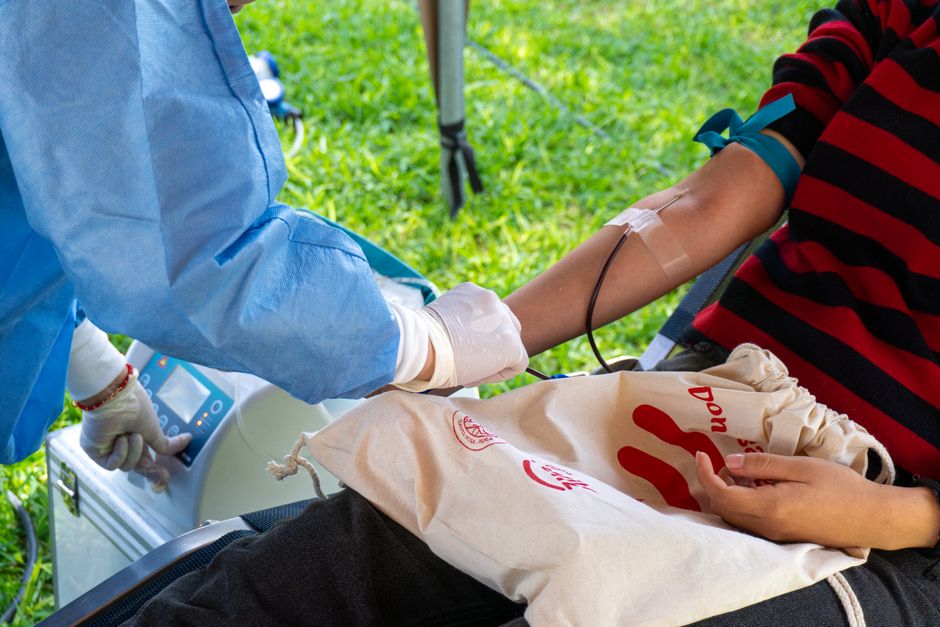
Donating blood through the Power Red program is a specific type of donation that collects twice the amount of red blood cells compared to a standard whole blood donation. The minimum waiting period between two Power Red donations is 112 days, which equals 16 weeks. This interval is set by the FDA and is designed to protect your health by giving your body enough time to fully replace the red blood cells you gave.
What Is a Power Red Donation?
A Power Red donation is an automated procedure that uses a machine to collect only your red blood cells. The machine draws your blood, spins it to separate the red cells from the other components, and then returns the plasma and platelets back to your body. This process takes about 30 minutes longer than a standard whole blood donation.
The result is a single donation that contains two units of red blood cells. Because you are giving twice the amount of red cells, your body needs more time to recover. That is why the waiting period is longer than the 56 days required for whole blood donation.
Red blood cells carry oxygen throughout your body. When you lose them, your bone marrow works to produce new ones. The 112-day interval gives your bone marrow enough time to fully replenish your red cell supply before you donate again.
Why Is the Wait 112 Days and Not Shorter?
The 112-day rule is based on how long it takes your body to replace red blood cells. Red blood cells live for about 120 days in your bloodstream. After a Power Red donation, your body begins producing new red cells immediately, but the process takes time.
Research and clinical guidelines consistently show that waiting at least 16 weeks between double red cell donations is necessary to prevent iron deficiency and anemia. Donating more frequently than this can drop your hemoglobin levels below the minimum required for donation, and it can deplete your iron stores over time.
Iron is a critical component of hemoglobin, the protein in red blood cells that carries oxygen. Each Power Red donation removes a significant amount of iron from your body. The 112-day interval is not just about red cell count — it is about giving your iron stores time to rebuild.
The FDA sets the minimum interval for double red cell collections at 112 days. Blood centers follow this rule strictly. You cannot donate Power Red more often than every 112 days, regardless of how you feel or how quickly your hemoglobin returns to normal.
How Does Power Red Compare to Other Donation Types?
Different donation types have different frequency limits. Understanding these differences helps you plan your donations and avoid confusion at the blood center.
| Donation Type | Minimum Interval | What Is Collected |
|---|---|---|
| Whole Blood | 56 days (8 weeks) | One unit of whole blood |
| Power Red (Double Red Cell) | 112 days (16 weeks) | Two units of red blood cells |
| Platelets | 7 days | One to three units of platelets |
| Plasma | 28 days | One unit of plasma |
You can donate platelets more frequently because your body replaces platelets within days. Plasma can be donated every four weeks. Whole blood requires 56 days because it includes red cells. Power Red requires the longest wait because you give the most red cells in a single session.
Your total annual donation limit also depends on the type of donation. For Power Red, most blood centers limit you to three donations per year. That is because three double red cell donations equal six units of red cells, which is close to the maximum safe annual volume.





Who Is Eligible for Power Red Donation?
Not everyone can donate Power Red. The eligibility requirements are stricter than for whole blood because of the larger red cell volume collected.
You must meet the general blood donation requirements first. For most blood centers, that means being at least 17 years old, weighing at least 110 pounds, and being in generally good health. But Power Red has additional requirements.
You must have a hemoglobin level high enough to safely give two units of red cells. Most blood centers require a hemoglobin of at least 13.3 grams per deciliter for women and 13.5 for men, though these numbers can vary slightly by center. This is higher than the minimum for whole blood donation because you are losing more red cells.
Height and weight matter for Power Red. The machine calculates your total blood volume based on your height and weight. If your blood volume is too low, you cannot safely donate two units of red cells. This means some smaller individuals are not eligible for Power Red even if they meet all other requirements.
If you have a history of heart disease, certain cancers, or other chronic conditions, you may not be eligible. The blood center staff will review your medical history during screening. They make the final determination based on FDA regulations and their own donor safety criteria.
What Happens If You Donate Too Soon?
Blood centers have strict systems to prevent donations before the 112-day mark. Your donor record is checked at every visit. If you attempt to donate Power Red before 112 days have passed, you will be deferred.
A deferral means you cannot donate that day. You will be asked to return after the waiting period is complete. This is not a punishment — it is a safety measure to protect you from anemia and other complications.
Donating red cells too frequently can lead to iron deficiency. Early signs include fatigue, pale skin, shortness of breath, and dizziness. Over time, chronic iron deficiency can lead to anemia, which affects your energy, concentration, and overall health.
Some donors try to switch between Power Red and whole blood donations to donate more often. This is not advised. If you donate Power Red and then whole blood before your 112 days are up, you are still giving red cells too frequently. Blood centers track your total red cell donations across all donation types.
How to Prepare for Your Power Red Donation
Preparation helps ensure a smooth donation and a faster recovery. The steps are straightforward but important.
Drink plenty of water in the 24 hours before your appointment. Hydration makes your veins easier to access and helps maintain your blood volume during the procedure. Eat a full meal before donating, but avoid fatty foods, which can affect the testing of your blood.
Wear comfortable clothing with sleeves that can be rolled up above your elbow. Bring a list of your current medications and any health changes since your last donation. You will be asked about these during screening.
After your donation, rest for a few minutes at the blood center and enjoy the snacks provided. Avoid heavy lifting and intense exercise for the rest of the day. Drink extra fluids over the next 24 hours and eat iron-rich foods like lean meat, beans, spinach, and fortified cereals.
How to Track Your 112-Day Countdown
Most blood centers provide donor portals or apps that show your next eligible donation date. If your center offers this, use it. It takes the guesswork out of scheduling.
If you prefer to track it yourself, simply note the date of your Power Red donation and add 112 days. Mark it on your calendar or set a reminder on your phone. For example, if you donate on January 1, your next eligible date is April 23.
Some donors wonder if they can donate whole blood during the 112-day window. The answer is no. Whole blood donation still removes red cells, so it counts toward your red cell donation frequency. You must wait the full 112 days before any donation that includes red cells.
Platelet and plasma donations may be allowed during your Power Red waiting period, depending on your blood center’s policies. These donations do not remove significant amounts of red cells. Ask your blood center for specific guidance if you want to donate platelets or plasma while waiting.
Does the 112-Day Rule Apply to Everyone?
The 112-day minimum applies to all Power Red donors. There are no exceptions for age, gender, or fitness level. The FDA sets this as a national standard, and blood centers cannot waive it.
Your individual recovery time may be shorter or longer than 112 days. Some people regenerate red cells faster than others. However, the rule exists because 112 days is the safe minimum for the general population. Donating more frequently than this has not been shown to be safe in clinical research.
If you have a medical condition that affects your red blood cell production, such as chronic kidney disease or a bleeding disorder, you may need a longer wait. Your doctor and the blood center staff can advise you on your specific situation. Never donate Power Red without disclosing all health conditions during screening.
For healthy adults, the 112-day rule is well established. It is not a marketing suggestion or a conservative estimate. It is a regulatory requirement based on the physiology of red blood cell production and the need to protect donors from iron depletion.
Frequently Asked Questions
Can I donate whole blood during my 112-day Power Red waiting period?
No. Whole blood donation removes red cells, so it counts toward your red cell donation frequency. You must wait the full 112 days before any donation that includes red cells.
How many times can I donate Power Red in one year?
Most blood centers limit Power Red donations to three per year. Three donations equal six units of red cells, which is near the maximum safe annual volume.
Why is the Power Red wait longer than the whole blood wait?
Power Red collects twice as many red blood cells as a whole blood donation. Your body needs more time to replace those cells and rebuild your iron stores, so the wait is doubled from 56 days to 112 days.
What hemoglobin level do I need for Power Red donation?
Most blood centers require a hemoglobin of at least 13.3 grams per deciliter for women and 13.5 for men. This is higher than the whole blood minimum because you lose more red cells.
