
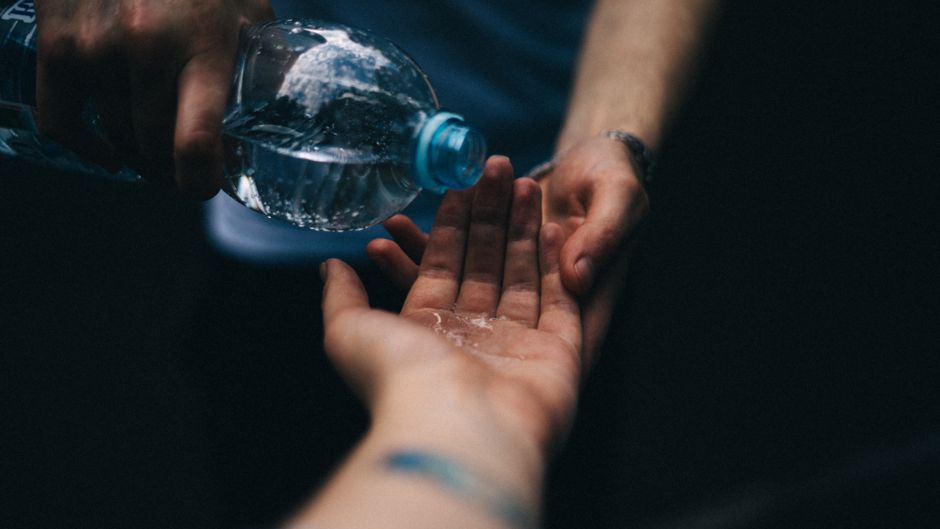
A 9-month-old needs only about 4 to 8 ounces of water per day total. That is roughly half a cup to one cup spread across the day. Water is not a substitute for breast milk or formula at this age. Breast milk or formula should remain their main source of nutrition and hydration.
How Much Water Can I Give My 9 Month Old Each Day?
The American Academy of Pediatrics recommends 4 to 8 ounces of water daily for babies between 6 and 12 months old. That is a small amount. To put it in perspective, a standard sippy cup holds about 4 ounces. So your baby may need just one full sippy cup of water across an entire day.
This amount includes water from all sources. That means water in purees, water mixed with cereal, and water given in a cup all count. If your baby eats a lot of watery fruits like watermelon or pears, they may need even less plain water.
The key is that water at this age is for practice, not for hydration. Babies get most of their hydration from breast milk or formula. Water teaches them how to drink from a cup and gets them used to the taste of plain water.
Why Can’t I Give My 9 Month Old More Water?
Giving too much water to a baby can be dangerous. The main risk is water intoxication. When a baby drinks too much water, the sodium levels in their blood can drop too low. This condition is called hyponatremia. It can cause seizures, brain swelling, and even death in severe cases.
Babies have small kidneys that cannot handle large amounts of water. Their kidneys are still developing. They cannot filter excess water as efficiently as adult kidneys can. Research published in Pediatrics has documented cases of seizures in infants who were given excessive amounts of water.
Another reason is nutrition. Water fills up a baby’s small stomach. If they drink too much water, they will not want breast milk or formula. This means they miss out on calories, protein, fat, and essential nutrients. Growth can slow down if water replaces milk too often.
What Are the Signs of Too Much Water in a Baby?
Watch for these signs if you are concerned your baby may have had too much water. The symptoms can come on quickly. A baby who has had too much water may seem drowsy or unusually sleepy. They might be hard to wake up for feedings.
Other signs include muscle twitching, irritability, or confusion. A baby might look puffy or swollen, especially around the face. In more serious cases, the baby may have a seizure or stop breathing. If you see any of these signs, call 911 or go to the emergency room immediately.
Mild symptoms like fussiness or mild puffiness should be checked by your pediatrician the same day. Do not wait until the next day. The American Academy of Pediatrics advises parents to call their doctor right away if they suspect water intoxication.





How Should I Introduce Water to My 9 Month Old?
Start with a small amount in a sippy cup or an open cup. Offer 1 to 2 ounces at a time. Do this once or twice a day at most. The best time is during meals. Water with food helps your baby learn that water goes with eating, not between meals.
Do not put water in a bottle. Bottles encourage continuous drinking, which can lead to too much water intake. A sippy cup or open cup gives you control over how much they drink. It also helps with oral motor development.
Some babies refuse water at first. That is normal. Keep offering it once a day. Do not add juice, sugar, or flavoring to make it taste better. The goal is to get them used to plain water. Once they get used to it, they will drink it.
What About Water in Hot Weather or During Illness?
Hot weather and illness are the two exceptions where a baby may need slightly more water. But even then, the increase is small. On a very hot day, you can offer an extra 1 to 2 ounces of water. Do not go over 10 ounces total for the day.
If your baby has a fever, vomiting, or diarrhea, they lose fluids faster. In these cases, breast milk or formula should be your first choice for rehydration. These liquids contain electrolytes that water does not. The CDC states that oral rehydration solutions like Pedialyte are better than water for sick babies.
If your baby is sick and you are worried about dehydration, call your pediatrician. Do not try to rehydrate them with water alone. Water does not have enough sodium and sugar to replace what is lost during illness. Your doctor may recommend a specific amount of water or an oral rehydration solution.
How Does Water Compare to Breast Milk and Formula?
Here is a simple comparison to help you understand why water cannot replace milk at this age.
| Liquid | Main Purpose | Calories | Key Nutrients |
|---|---|---|---|
| Breast Milk | Complete nutrition | About 22 per ounce | Fat, protein, carbs, antibodies |
| Formula | Complete nutrition | About 20 per ounce | Fat, protein, carbs, iron, vitamins |
| Water | Hydration practice | Zero | None |
Breast milk and formula are calorie-dense. Water has no calories. A 9-month-old needs about 750 to 900 calories per day. If water replaces even 4 ounces of milk, that is about 80 to 88 fewer calories. Over a week, that adds up to a significant calorie deficit.
Water also lacks iron. Iron is critical for brain development at this age. Formula is fortified with iron. Breast milk has iron that is easily absorbed. Water has none. Too much water can lead to iron deficiency anemia over time.
What Are Common Mistakes Parents Make With Water at This Age?
One common mistake is putting water in a bottle for bedtime. Babies often fall asleep with a bottle in their mouth. They may drink more than they need while half-asleep. This increases the risk of water intoxication and also harms tooth development.
Another mistake is giving water between meals instead of with meals. Water between meals can make a baby feel full and refuse milk when it is time to eat. This disrupts their feeding schedule and can lead to poor weight gain.
Some parents add fruit juice to water to make it more appealing. The American Academy of Pediatrics recommends no juice for babies under 12 months. Juice adds sugar without nutritional benefit. It can also cause diarrhea and tooth decay. If your baby refuses plain water, just keep offering it. They will eventually accept it.
A final mistake is giving too much water during hot weather. Parents sometimes think their baby needs as much water as an adult would on a hot day. That is not true. Babies are smaller and their bodies regulate temperature differently. Stick to the 4 to 8 ounce limit even on hot days, with an extra 1 to 2 ounces only if your pediatrician approves.
How Do I Know If My Baby Is Getting Enough Water?
Check their wet diapers. A well-hydrated 9-month-old should have 4 to 6 wet diapers per day. The urine should be light yellow or clear. Dark yellow urine means they may need more fluid, but that fluid should come from breast milk or formula first, not water.
Watch their behavior. A hydrated baby is alert, active, and has normal energy levels. They cry with tears. Their mouth and lips are moist. If your baby seems lethargic, has a dry mouth, or cries without tears, they may be dehydrated. Offer breast milk or formula immediately and call your pediatrician.
Do not rely on thirst as a guide. Babies cannot tell you when they are thirsty. They also cannot regulate their own water intake. That is your job as a parent. Stick to the recommended amounts and let your baby’s wet diapers and behavior guide you.
Frequently Asked Questions
Can I give my 9 month old water in a bottle?
No, it is better to use a sippy cup or open cup. Bottles encourage continuous drinking and can lead to too much water intake.
What if my 9 month old refuses water completely?
That is normal. Keep offering 1 to 2 ounces once a day during meals. Do not add juice or sugar to make it taste better.
Can I give my 9 month old coconut water instead of regular water?
No, coconut water contains natural sugars and electrolytes that can upset a baby’s stomach. Stick to plain water or breast milk.
How much water is too much for a 9 month old in one sitting?
More than 2 ounces in one sitting is too much. Stick to 1 to 2 ounces at a time to prevent water intoxication.
