
Pure maple syrup contains almost no sodium. A standard 1/4-cup serving of pure maple syrup has about 7 milligrams of sodium. That is less than 1 percent of the recommended daily limit of 2,300 milligrams for most adults. For practical purposes, pure maple syrup is not a source of dietary sodium.
How Much Sodium Is In Pure Maple Syrup Compared to Table Sugar?
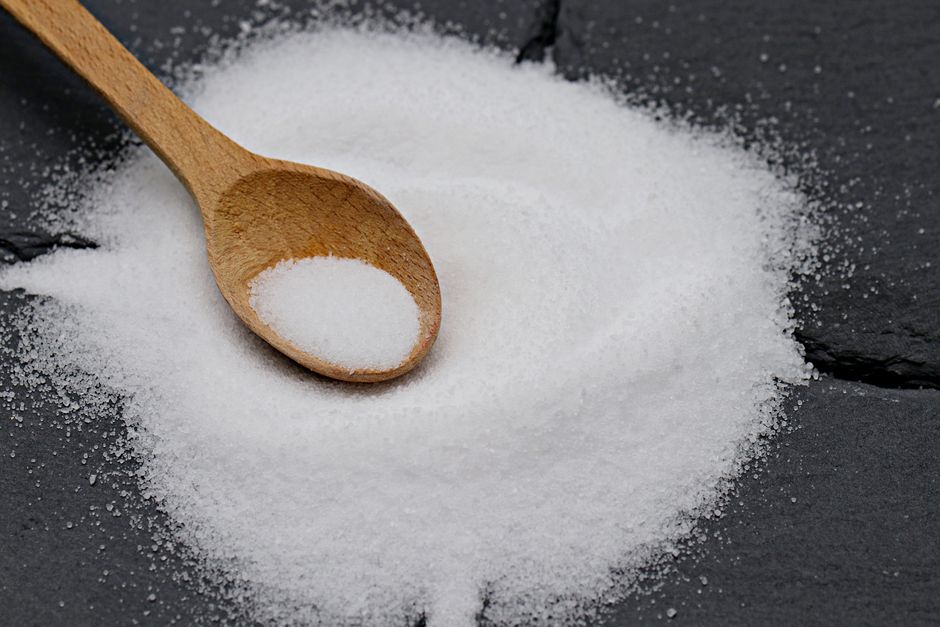
Both pure maple syrup and table sugar are naturally low in sodium. A teaspoon of granulated white sugar contains 0 milligrams of sodium. A teaspoon of pure maple syrup contains roughly 1 milligram of sodium.
The difference is negligible in a normal diet. The real difference between maple syrup and sugar is not sodium — it is the presence of other nutrients. Maple syrup contains small amounts of minerals like zinc, manganese, and calcium. Sugar contains none of these. But the amounts are small enough that neither food should be considered a meaningful source of nutrition.
Why Some Syrups Contain Sodium and Others Do Not
If you check nutrition labels, you will notice a wide range of sodium values across syrup products. This comes down to what is actually in the bottle.
Pure maple syrup is made by boiling down sap from maple trees. Nothing is added. Its sodium content comes only from trace minerals naturally present in the sap. The amount varies slightly by region and harvest season, but it always stays very low.
Pancake syrups and table syrups are different products. Many are made primarily from high-fructose corn syrup, water, and artificial flavoring. Some brands add salt or sodium-containing preservatives to enhance flavor and extend shelf life. A 1/4-cup serving of some commercial pancake syrups can contain 100 to 200 milligrams of sodium or more.
The label is the only reliable way to know. If the ingredient list includes salt or sodium benzoate, the sodium content will be higher than pure maple syrup.
How Much Sodium Do You Actually Need?
The human body requires sodium to function. It helps maintain fluid balance, supports nerve signaling, and enables muscle contraction. The problem for most people is not too little sodium — it is too much.
Federal dietary guidelines recommend limiting sodium to less than 2,300 milligrams per day for most adults. The average American consumes closer to 3,400 milligrams daily. Most of that sodium comes from processed foods, restaurant meals, breads, deli meats, and canned goods — not from naturally low-sodium foods like maple syrup.
People with high blood pressure, kidney disease, or heart failure may be advised by their doctors to aim for an even lower sodium target, often around 1,500 milligrams per day. Even at that stricter level, pure maple syrup would not interfere with the goal.




Reading the Nutrition Label on Maple Syrup
Nutrition labels can be confusing, especially when serving sizes differ between brands. Here is what to look for when comparing syrups.
The Food and Drug Administration sets the standard serving size for syrup at 1/4 cup (60 milliliters). That is about 4 tablespoons. When comparing products, check that you are comparing the same serving size.
On a label for pure maple syrup, you will typically see:
- Sodium: 0 to 10 milligrams per 1/4 cup
- Total sugars: about 24 grams per 1/4 cup
- Added sugars: 0 grams (pure syrup has no added sugar)
On a label for commercial pancake syrup, you may see:
- Sodium: 50 to 200 milligrams per 1/4 cup
- Total sugars: about 24 to 30 grams per 1/4 cup
- Added sugars: 24 to 30 grams
The sugar content is similar. The sodium content is not. If you are watching sodium for blood pressure or kidney reasons, the type of syrup you choose matters more than the amount you use.
Does Maple Syrup Contain Other Minerals That Matter?
Maple syrup is often marketed as a more natural sweetener with health benefits. Some of that marketing is overstated, but the mineral content is real.
Manganese is the most notable mineral in maple syrup. A 1/4-cup serving provides a meaningful portion of the daily recommended intake for manganese, which supports bone formation and amino acid metabolism. Maple syrup also contains small amounts of zinc, potassium, and calcium.
Here is the honest context: you would not eat enough maple syrup to rely on it for nutrition. A 1/4-cup serving contains about 200 calories, nearly all of them from sugar. The minerals present do not offset the fact that maple syrup is a concentrated source of added sugar in the diet.
The American Heart Association recommends limiting added sugar to no more than 36 grams per day for men and 25 grams per day for women. A single 1/4-cup serving of maple syrup contains roughly 24 grams of sugar. Even though it is not labeled as “added sugar” in pure form, your body processes it the same way it processes any sugar.
How Maple Syrup Fits Into a Low-Sodium Diet
For people managing high blood pressure or kidney conditions, pure maple syrup is a safe choice from a sodium perspective. It is naturally low in sodium and contains no added salt.
The bigger concern for this population is not the sodium in maple syrup — it is the overall dietary pattern. A low-sodium diet that includes large amounts of sugar can still contribute to metabolic problems, weight gain, and insulin resistance over time. Blood pressure management involves more than sodium alone.
If you are following a low-sodium eating plan, you can use pure maple syrup as a sweetener without worrying about your sodium budget. The same cannot be said for many processed syrups, pancake mixes, and flavored coffee syrups that contain added salt.
One practical note: some people use maple syrup as a substitute for salt in certain recipes, particularly in baking or glazes for meats and vegetables. Maple syrup adds sweetness and moisture that can allow you to reduce salt without losing flavor. This is a culinary strategy, not a medical one, but it can help lower overall sodium intake for people who enjoy cooking this way.
Frequently Asked Questions
Can pure maple syrup raise my blood pressure?
No, pure maple syrup does not raise blood pressure through sodium, since it contains almost none. However, its high sugar content can contribute to weight gain and metabolic issues over time, which indirectly affect blood pressure.
Is maple syrup safe on a low-sodium diet?
Yes, pure maple syrup is safe on a low-sodium diet because it contains only trace amounts of sodium. Check the label carefully, since some flavored syrups and pancake syrups contain added salt.
Does organic maple syrup have less sodium than regular maple syrup?
No meaningful difference exists. Sodium content in pure maple syrup comes from the tree sap itself and is naturally low regardless of organic certification.
What is the sodium content of maple syrup per tablespoon?
One tablespoon of pure maple syrup contains about 2 milligrams of sodium. That is a negligible amount compared to the 2,300 milligram daily limit for most adults.
