
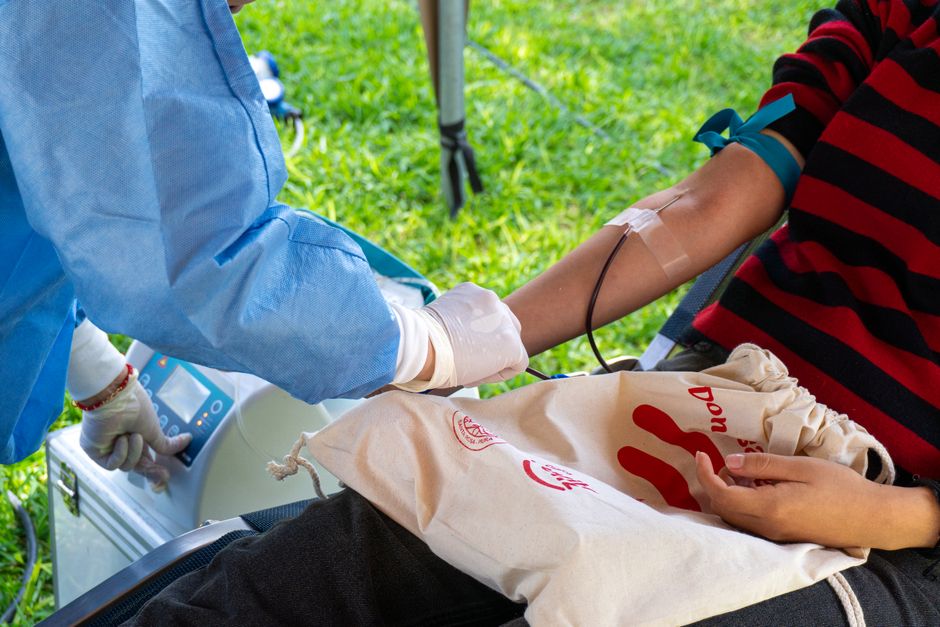
Donating plasma typically pays between $20 and $70 per donation, with first-time donors often earning $50 to $100 per session at major centers like CSL Plasma or BioLife. The exact amount depends on your weight, location, and how often you donate. Most centers pay more for the first few visits and offer bonuses for completing a set number of donations within a month.
How Much Is It To Donate Plasma on Your First Visit?
First-time donors usually earn the highest rates. Many centers offer a “new donor” bonus that can reach $100 per donation for the first five to eight visits. For example, CSL Plasma’s new donor program often pays $50 to $100 per session for the first several donations, according to their published promotional materials.
After the introductory period, pay drops to the standard rate. This is typically $20 to $50 per donation depending on your weight. Heavier donors receive more because they can safely donate more plasma. Most centers pay by weight category — 110-149 pounds earns less than 150-174 pounds, which earns less than 175 pounds and above.
Some centers like Biolife and Grifols also offer referral bonuses. You can earn an extra $50 to $100 when someone you refer completes their first donation. These programs change frequently, so check the center’s website or ask at the front desk.
What Determines How Much Plasma Centers Pay?
Plasma centers set their pay based on supply and demand in your area. If a center needs more plasma, they raise rates. If they have enough, rates drop. This is why pay varies by city and even by month.
Your weight is the biggest personal factor. Plasma volume is calculated based on body weight. The FDA sets strict limits on how much plasma can be collected per donation. A person weighing 110 pounds can donate less than someone weighing 200 pounds. Less plasma means less pay.
Frequency matters too. You can donate plasma twice per week with at least 48 hours between donations. Some centers offer loyalty bonuses for donating a certain number of times each month. A typical monthly bonus might be $20 to $50 extra if you complete eight donations in 30 days.
| Weight Range | Typical Pay Per Donation | Monthly Maximum (8 visits) |
|---|---|---|
| 110-149 lbs | $20-$30 | $160-$240 |
| 150-174 lbs | $30-$45 | $240-$360 |
| 175+ lbs | $40-$70 | $320-$560 |
How Long Does a Plasma Donation Take and Is It Worth the Pay?
The first donation takes two to three hours. This includes a health screening, physical exam, and blood test. Subsequent donations take about 90 minutes from check-in to finish. The actual plasma collection process takes 45 to 60 minutes.
When you factor in travel time, the hourly rate matters. At $50 per donation and 90 minutes total, that’s about $33 per hour. At $25 per donation, it drops to roughly $17 per hour. This is comparable to many part-time jobs but without a fixed schedule.
Some people report that their local center pays consistently at the higher end. Others say pay has dropped over the past year. The Red Cross notes that plasma donation is safe but requires a time commitment. If you live far from a center, the travel time can cut into your effective hourly rate significantly.





Do Different Plasma Centers Pay Different Amounts?
Yes, pay varies significantly between centers. CSL Plasma, BioLife, Grifols, and BPL Plasma are the four largest chains in the United States. Each uses its own pay structure. CSL Plasma often pays slightly less per donation but offers more frequent bonuses. BioLife tends to pay higher base rates but has fewer promotions.
Independent centers and local blood banks sometimes pay less. Non-profit organizations like the American Red Cross do not pay for plasma donations. They collect plasma for direct patient use, not for manufacturing into medications. If you want cash, stick with the for-profit chains.
Check online reviews for your local center before going. Some centers have long wait times that reduce your effective hourly pay. Others run efficiently and get you through in under an hour. A center that pays $50 but takes three hours is worse than one that pays $35 and takes 90 minutes.
What Are the Health Requirements and Risks of Donating Plasma?
You must be at least 18 years old, weigh at least 110 pounds, and pass a medical screening. The screening includes checking your blood pressure, pulse, temperature, and hemoglobin levels. You also need to show a valid ID and proof of address.
Common side effects include dehydration, fatigue, and bruising at the needle site. Some people feel lightheaded during or after donation. The CDC reports that serious complications are rare when proper procedures are followed. Drinking plenty of water before and after donation reduces side effects.
You cannot donate plasma if you have certain medical conditions. These include hepatitis B or C, HIV, certain cancers, and bleeding disorders. You also cannot donate if you have had a tattoo or piercing in the last four months in some states. The FDA sets these rules to keep the plasma supply safe.
Common Misconceptions About Plasma Donation Pay
Some viral posts claim you can earn $1,000 per month donating plasma. This is possible but only at the highest pay rates with perfect attendance. At $70 per donation and eight donations per month, that’s $560. Adding new donor bonuses and referral bonuses could push it higher, but $1,000 is not realistic for most people.
Another myth is that you can donate plasma every day. You cannot. The FDA allows a maximum of two donations in seven days with at least 48 hours between them. Donating more often can lower your protein levels and cause health problems.
Some people believe plasma donation is the same as blood donation. It is not. Blood donation takes less time and pays nothing at most centers. Plasma donation pays because the process is longer and the plasma is used to make expensive medical treatments for people with immune disorders and bleeding conditions.
How to Maximize Your Earnings From Plasma Donation
Go during the first week of the month. Many centers run promotions at the start of the month to meet their collection goals. You might earn an extra $10 to $20 per donation during these periods. Check the center’s website or app for current offers.
- Complete all eight donations in a month to earn loyalty bonuses
- Refer friends and family for $50-$100 each
- Choose a center close to home to minimize travel time
- Stay hydrated and eat protein-rich foods before donating
- Check for seasonal promotions around holidays
Some centers offer a “plasma card” that loads your earnings onto a prepaid debit card. Others pay by direct deposit or check. The prepaid card usually works like a regular debit card but may have fees for ATM withdrawals. Read the fine print before choosing a payment method.
Track your donations and earnings. Some centers have caps on how much you can earn per year. The IRS considers plasma donation income taxable. You will receive a Form 1099-MISC if you earn more than $600 in a year. Keep records of your donations and payments for tax purposes.
Frequently Asked Questions
How much do you get paid for donating plasma the first time?
First-time donors typically earn $50 to $100 per donation for the first five to eight visits. This includes a new donor bonus that varies by center.
Can you donate plasma twice in one week?
Yes, you can donate plasma up to two times in seven days. You must wait at least 48 hours between donations.
Does donating plasma hurt?
You feel a brief pinch when the needle goes in. The actual donation process is painless for most people. Some bruising at the needle site is common.
Is plasma donation income taxable?
Yes, the IRS considers plasma donation payments as taxable income. You will receive a Form 1099-MISC if you earn more than $600 in a year.
