
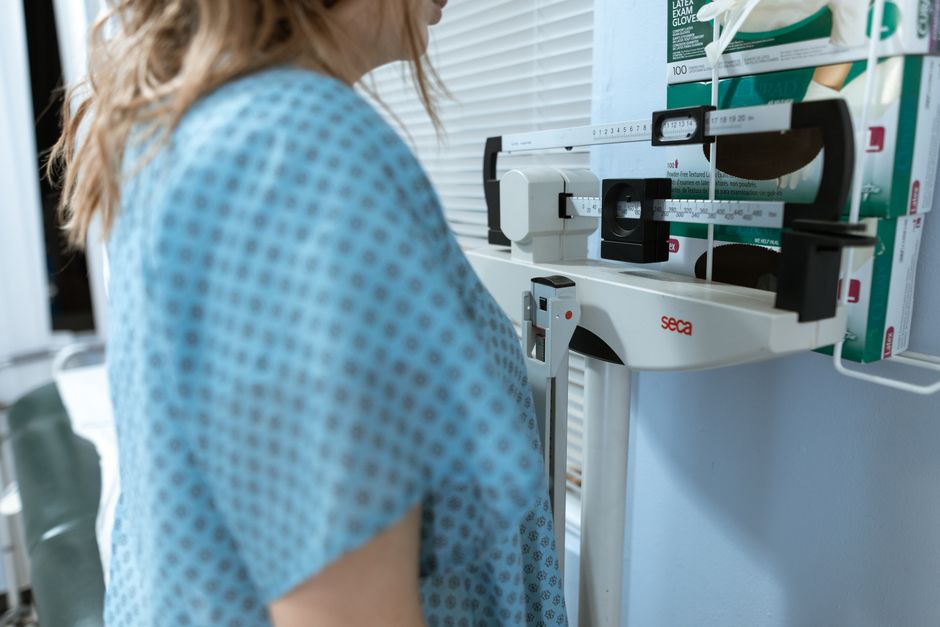
There is no single correct weight for a 16-year-old girl. A healthy weight depends on her height, body composition, and stage of physical development. Instead of focusing on a single number on the scale, doctors use a range called BMI-for-age to determine whether a teen’s weight is in a healthy percentile for her age and height. For most 16-year-old girls, a normal BMI falls between roughly the 5th and 85th percentile, which often translates to a weight range of about 95 to 155 pounds depending on height, but the specific number is highly individual.
How Does Height Affect A Healthy Weight For A 16 Year Old Girl?
Height is the biggest factor in determining a healthy weight. A girl who is 5 feet tall has a very different healthy weight range than a girl who is 5 feet 7 inches tall. The taller you are, the more you can weigh and still be considered healthy.
For example, a 16-year-old girl who is 5 feet 2 inches tall might have a healthy weight range around 101 to 136 pounds. A girl of the same age who is 5 feet 7 inches tall would have a healthy range closer to 121 to 158 pounds. These ranges come from standard growth charts used by pediatricians.
Doctors do not use adult BMI categories for teenagers. Adult BMI cutoffs like 18.5 and 25 do not apply the same way to growing teens. Instead, doctors plot BMI on a growth chart that accounts for age and sex. This gives a percentile ranking that shows how a girl compares to other girls her age.
What Is BMI-For-Age And Why Does It Matter?
BMI-for-age is the standard tool pediatricians use to assess weight in children and teens. It is calculated from height and weight, then plotted on a chart specific to age and sex. The result is a percentile, not a simple number.
For a 16-year-old girl, the categories are based on percentiles:
- Underweight: BMI below the 5th percentile
- Healthy weight: BMI between the 5th and 85th percentile
- Overweight: BMI between the 85th and 95th percentile
- Obesity: BMI at or above the 95th percentile
This system matters because it accounts for normal growth patterns. A 16-year-old girl may still be gaining height and muscle. Her body composition is changing as she moves through puberty. A single adult-style BMI number would not capture that accurately.
What Is A Normal Weight Range For A 16 Year Old Girl?
A normal weight range depends entirely on height. The Centers for Disease Control and Prevention growth charts provide the standard reference. For a 16-year-old girl at the 50th percentile for height, which is about 5 feet 4 inches, a healthy weight range is roughly 108 to 145 pounds.
Here is a general reference table for healthy weight ranges by height for a 16-year-old girl:
| Height | Healthy Weight Range |
|---|---|
| 4’11” (150 cm) | 90–120 lbs |
| 5’1″ (155 cm) | 95–127 lbs |
| 5’4″ (163 cm) | 108–145 lbs |
| 5’7″ (170 cm) | 121–158 lbs |
| 5’9″ (175 cm) | 129–169 lbs |
These ranges represent the 5th to 85th percentile BMI for each height. A girl at the lower end of the range may be naturally slim. A girl at the upper end may have more muscle mass. Both can be perfectly healthy.





Why Muscle Mass And Body Composition Matter More Than Weight
Weight alone does not tell you whether a body is healthy. Two girls of the same height and weight can have completely different body compositions. One may have more muscle and less fat. The other may have more fat and less muscle. Their health profiles are different even though the scale reads the same.
Muscle is denser than fat. An athletic 16-year-old girl who plays sports may weigh more than a less active friend of the same height. Her higher weight may come from muscle, not excess fat. She may be perfectly healthy despite being at the higher end of the weight range.
Doctors rarely measure body fat percentage in routine teen checkups. They rely on BMI-for-age as a screening tool. If a girl’s BMI percentile raises concerns, a doctor may look at other factors like family history, diet, physical activity, and growth patterns over time.
How Does Puberty And Growth Spurts Affect Weight?
At 16, most girls have already gone through their main growth spurt. For girls, this usually happens between ages 10 and 14. By 16, growth has typically slowed significantly, though some girls continue to grow into their late teens.
Puberty changes body composition. Girls naturally gain more body fat during puberty than boys do. This is a normal and necessary change related to hormonal development. Some fat gain during the teen years is expected and healthy.
A girl who had her growth spurt early may have settled into her adult body shape by 16. A girl who developed later may still be adjusting. Comparing her weight to a friend’s weight is not useful because their growth timelines may be different.
When Should A Parent Be Concerned About A Teen’s Weight?
Parents should watch for patterns, not single numbers. A sudden large weight change in a short period may warrant attention. So may a BMI percentile that has moved significantly from where it was at previous checkups.
Signs that weight may be affecting health include:
- Missed menstrual periods
- Extreme fatigue or low energy
- Avoiding food or extreme dieting
- Rapid weight loss or gain over a few months
- Comments about feeling fat or fear of gaining weight
These signs deserve a conversation with a pediatrician. They do not necessarily mean something is wrong, but they are worth professional attention. Eating disorders are serious and often begin in the teen years.
What Should A 16 Year Old Girl Focus On Instead Of The Scale?
The scale is a poor measure of health for a growing teen. A better focus is on habits that support long-term health. Eating a balanced diet with enough protein, fruits, vegetables, and whole grains matters more than hitting a specific number.
Physical activity also matters. Regular movement supports bone health, cardiovascular fitness, and mental well-being. The recommendation for teens is about 60 minutes of moderate to vigorous activity most days. This does not have to be organized sports. Walking, biking, dancing, or strength training all count.
Sleep is another factor that affects weight and health. Teens need about 8 to 10 hours of sleep per night. Poor sleep is linked to weight gain and mood issues. A consistent sleep schedule supports overall health.
Skipping meals is not a healthy weight strategy. Neither is following extreme diets found on social media. Fast weight loss in teens is rarely healthy and can interfere with growth and development.
How Can A Family Doctor Help Determine A Healthy Weight?
A pediatrician or family doctor is the best person to assess whether a 16-year-old girl’s weight is healthy. At a checkup, the doctor measures height and weight and calculates BMI-for-age. The doctor also looks at growth trends over time, family history, and overall health.
Doctors can also address concerns that a teen or parent may have. If a girl is worried about her weight, a doctor can provide perspective based on her specific growth pattern. This is more reliable than comparing herself to friends, celebrities, or social media images.
If weight is a genuine concern, the doctor may discuss healthy eating and activity habits. In some cases, the doctor may recommend working with a registered dietitian who specializes in teens. Extreme measures like prescription weight-loss drugs are rarely used in teens and only under careful medical supervision.
Frequently Asked Questions
What is the average weight for a 16 year old girl?
The average weight is around 130 pounds for a girl at the 50th percentile for height. However, average is not the same as healthy, and many healthy girls weigh more or less than this.
How much should a 16 year old girl weigh at 5’5″?
A healthy weight range for a 16-year-old girl who is 5 feet 5 inches tall is roughly 114 to 150 pounds. This range represents the 5th to 85th BMI percentile for her height.
Is 150 pounds overweight for a 16 year old girl?
It depends on her height. For a girl who is 5 feet 8 inches tall, 150 pounds falls within a healthy range. For a girl who is 5 feet 2 inches tall, 150 pounds would be above the healthy range.
Should a 16 year old girl diet to lose weight?
Dieting without medical supervision is not recommended for teens. If a doctor identifies a weight concern, they will guide a safe approach that supports growth and development rather than restricting calories.
