
Most healthy adults should aim for no more than 2,300 milligrams (mg) of sodium per day — that is about one teaspoon of table salt. However, the American Heart Association recommends an ideal limit of 1,500 mg per day for most adults, especially those with high blood pressure. The average American consumes closer to 3,400 mg daily, which is well above both targets.
How Much Salt Should You Have A Day
The official Dietary Guidelines for Americans set the upper limit at 2,300 mg of sodium per day. That number applies to healthy adults. It is not a target to hit — it is a ceiling. Most people need far less sodium than that to function properly.
Sodium is an essential mineral. Your body needs it to maintain fluid balance, transmit nerve signals, and help muscles contract. The problem is that modern diets deliver far more sodium than the body requires. The minimum amount needed for normal body function is around 500 mg per day, though most guidelines recommend staying well above that floor.
Salt and sodium are not the same thing. Table salt is about 40% sodium by weight. One teaspoon of salt contains roughly 2,300 mg of sodium. When you read a nutrition label, the sodium number already accounts for this — you do not need to do any conversion.
Why Most People Eat Too Much Salt
Only about 11% of the sodium in the American diet comes from salt added at the table or during home cooking. The vast majority — roughly 70% — comes from packaged and restaurant foods. This is why cutting back on salt shaker use alone rarely solves the problem.
Common high-sodium foods include bread, cold cuts, pizza, poultry dishes, soups, sandwiches, cheese, pasta dishes, and savory snacks. Many of these foods do not taste particularly salty. A slice of bread can contain anywhere from 100 to 200 mg of sodium. A single deli sandwich can easily exceed 1,500 mg.
Restaurant meals are a major contributor. Chain restaurant entrees frequently contain more than one full day’s worth of sodium in a single serving. Even salads — often perceived as healthy — can be loaded with sodium through dressings, cheeses, and seasoned meats.
Health Risks of Too Much Sodium
High sodium intake raises blood pressure in many people. Over time, elevated blood pressure damages blood vessel walls, increasing the risk of heart disease, stroke, and kidney disease. This relationship is well established in medical research.
The effect of sodium on blood pressure is not identical for everyone. Some people are “salt-sensitive,” meaning their blood pressure responds more dramatically to sodium intake. Age, genetics, and existing health conditions all influence sensitivity. Older adults and people with hypertension, diabetes, or chronic kidney disease tend to be more salt-sensitive.
Excess sodium also causes the body to retain fluid. This increases the volume of blood in circulation, which puts additional strain on the heart. For people with heart failure, this fluid retention can be dangerous and may contribute to shortness of breath and swelling in the legs.





Who Should Be Stricter About Salt
Certain groups should aim for the lower end of the sodium range. People with high blood pressure, diabetes, or chronic kidney disease generally benefit from a stricter limit. The American Heart Association recommends 1,500 mg per day for these individuals.
Black adults tend to be more salt-sensitive than the general population. Research shows that reducing sodium lowers blood pressure more significantly in Black individuals compared to white individuals. Older adults also respond more strongly to sodium reduction.
If you have a medical condition affecting your heart, kidneys, or blood pressure, talk to your doctor about the right sodium target for you. Individual needs vary, and some conditions require different approaches.
How to Reduce Sodium Without Losing Flavor
Reducing sodium does not mean eating bland food. It means changing how you approach flavor. Herbs, spices, citrus juice, vinegar, and garlic can add depth to food without adding sodium.
Reading nutrition labels is essential. Compare brands of the same product — sodium content varies widely between manufacturers. A can of soup from one brand might contain 700 mg of sodium, while another brand’s version has 400 mg.
Rinsing canned beans and vegetables removes a meaningful portion of the added sodium. One study found that draining and rinsing canned beans reduced sodium by over 40%. This is a simple step that makes a real difference.
Cooking at home gives you control. Restaurant food is seasoned heavily, often with salt and sodium-containing flavor enhancers. Home cooking allows you to choose low-sodium ingredients and season to taste.
Is Sea Salt or Pink Salt Healthier
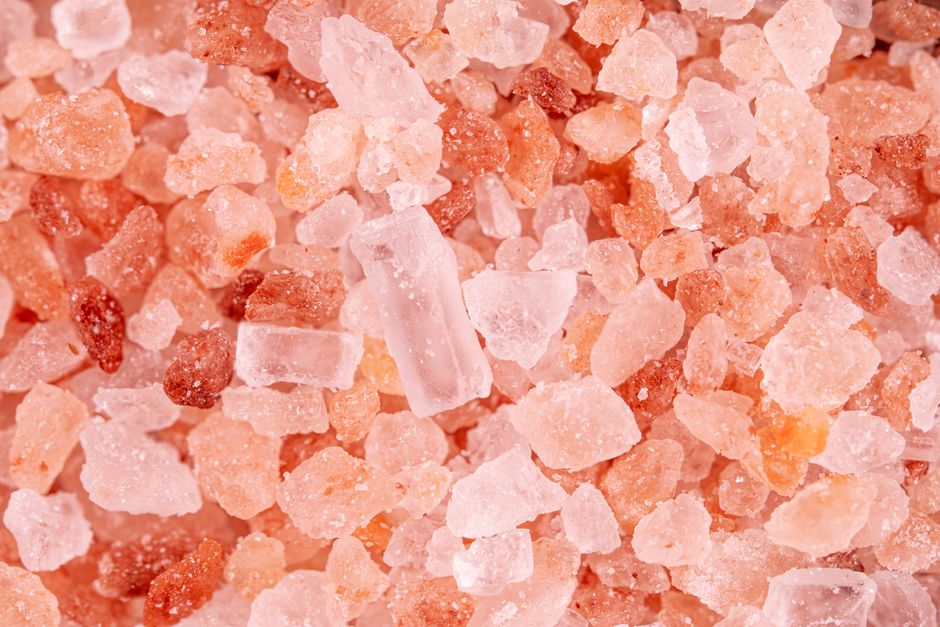
Sea salt and Himalayan pink salt are not meaningfully lower in sodium than regular table salt. All salt is roughly 40% sodium by weight. The mineral content differences between these salts are too small to have any measurable health benefit.
Some people prefer these salts for taste or texture. That is a personal choice. But choosing sea salt over table salt will not reduce your sodium intake. The amount of sodium remains essentially the same per teaspoon.
Salt substitutes often replace sodium with potassium chloride. These products can help reduce sodium intake, but they are not right for everyone. People with kidney disease or those taking certain blood pressure medications may need to avoid potassium-based salt substitutes. Check with your doctor before using them regularly.
How to Know If You Are Getting Too Much
There is no reliable home test for sodium intake. Blood tests can measure sodium levels in the blood, but these reflect hydration status more than dietary intake. The body tightly regulates blood sodium concentration, so blood tests do not tell you how much sodium you have been eating.
The most practical approach is tracking your intake. Nutrition apps and food diaries can help you estimate daily sodium consumption. Many packaged foods list sodium per serving, making it possible to add up your daily total.
Swelling in the hands or feet, especially after eating a salty meal, can indicate fluid retention. Frequent thirst may also be a sign that you consumed more sodium than usual. These are not diagnostic tools, but they can be useful signals.
What About Low Sodium Levels
Too little sodium — a condition called hyponatremia — is less common but can be serious. It occurs when blood sodium drops below 135 milliequivalents per liter (mEq/L). Severe hyponatremia can cause confusion, seizures, and coma.
Hyponatremia is rarely caused by a low-salt diet. It is more often caused by excessive fluid intake, certain medications, kidney disease, or conditions that cause fluid retention. Endurance athletes who drink large amounts of water without electrolytes can also develop it.
For most people, the risk of eating too much sodium is far greater than the risk of eating too little. Following the 2,300 mg guideline is safe for healthy adults. There is no need to worry about sodium deficiency if you eat a normal varied diet.
Frequently Asked Questions
Is 2,300 mg of sodium the same as one teaspoon of salt?
Yes. One teaspoon of table salt contains approximately 2,300 mg of sodium. Salt is about 40% sodium by weight, so the amount of salt you eat is always higher than the sodium content listed on labels.
Can I flush out excess salt by drinking more water?
Drinking water helps your kidneys excrete sodium, but it does not cancel out the effects of a high-sodium diet. Water can temporarily dilute blood sodium levels, but the long-term health risks of chronic high sodium intake remain regardless of fluid intake.
Do I need salt if I exercise heavily?
Most people get enough sodium from their regular diet, even with heavy exercise. Athletes who sweat heavily for prolonged periods may need extra sodium, but sports drinks and salty snacks are usually sufficient. No clinical guideline recommends a higher daily sodium limit for recreational exercisers.
Is sea salt lower in sodium than table salt?
No. Sea salt and table salt contain nearly identical amounts of sodium by weight. The trace minerals in sea salt are present in amounts too small to affect health or blood pressure.
