
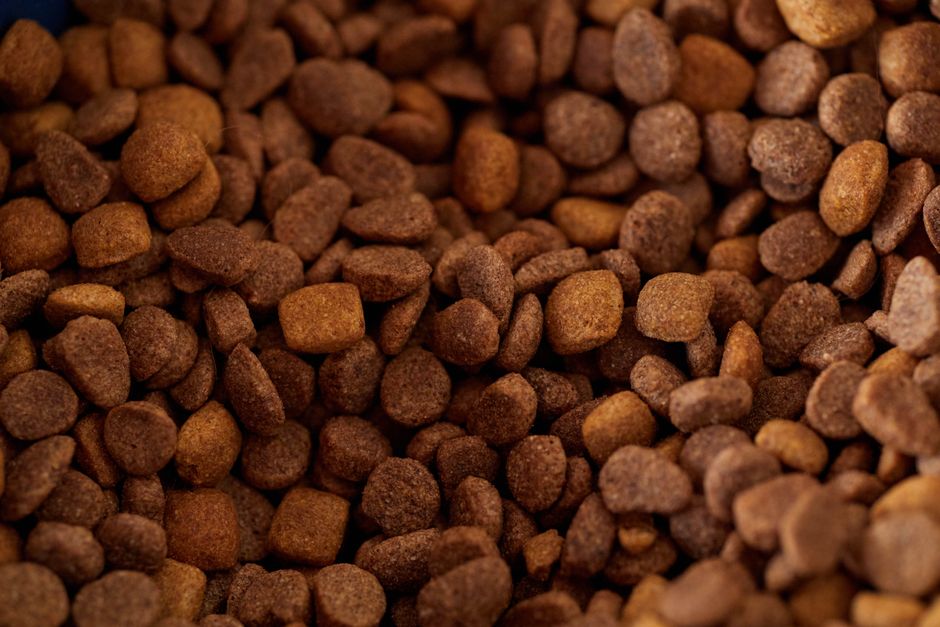
Most new puppy owners who choose raw feeding start with the same question and the answer is simpler than many make it. Feed a growing puppy roughly 5% to 10% of their current body weight in raw food each day split across multiple meals. That range is wide because puppies grow at different rates and have very different energy needs depending on breed and activity level. A Labrador puppy at 10 pounds needs more food per pound of body weight than a Chihuahua puppy at 2 pounds. The exact amount depends on your specific puppy not a generic chart you found online.
What Is the Right Starting Point for Raw Food Amounts?
The most common starting recommendation for raw fed puppies is 5% to 10% of their current body weight per day. This is not a rule. It is a starting point you adjust as you watch your puppy. Small breed puppies often need closer to 8% or 10% because they have high metabolisms and tiny stomachs. Large breed puppies usually start around 5% to 6% because they grow slower and too much food can make them grow too fast which stresses their joints.
A 15 pound puppy at the 8% mark would eat about 1.2 pounds of raw food per day. A 40 pound puppy at 5% would eat about 2 pounds per day. These numbers change every week as the puppy grows. You weigh your puppy weekly and recalculate the amount. That is the only honest way to keep up with their needs.
Puppies under 4 months old should eat three to four meals per day because their stomachs are small and they cannot handle large volumes at once. After 4 months you can drop to two meals per day. Splitting the daily amount evenly across meals prevents digestive upset and keeps blood sugar stable.
How Do You Adjust Raw Food Amounts as the Puppy Grows?
You cannot set a raw food amount and keep it the same for weeks. Puppies grow in bursts. One week they gain a pound. The next week they gain two. You adjust weekly by weighing the puppy and recalculating the percentage.
Current research suggests the 5% to 10% range works well for most puppies but you must watch the puppy not the scale. A puppy that finishes every meal and still licks the bowl clean may need more food. A puppy that leaves food behind or has loose stools may need less. Body condition is the real guide. You should be able to feel the ribs easily without pressing hard. If you cannot feel the ribs the puppy is getting too much food. If the ribs look visible from a distance the puppy needs more food.
Large breed puppies need special attention. Too much food or food too rich in calcium can cause rapid growth that leads to hip dysplasia and other skeletal problems. The raw food for large breed puppies should have a calcium to phosphorus ratio close to 1.1 to 1. That usually means including ground bone in the diet but not too much. Many raw feeding guides recommend about 10% bone for adult dogs. For large breed puppies some experts suggest reducing that to around 8% to prevent excessive calcium intake.
Should You Use a Raw Food Calculator or a General Guideline?
Raw food calculators are everywhere online and most of them give you a number that looks precise. The problem is that calculators cannot see your puppy. They use averages from generic data sets that may not match your puppy’s breed metabolism or activity level.
A calculator is fine as a starting point but do not treat the number as gospel. Use it to get a rough daily amount then adjust based on what you see. Puppies that run around all day in a big yard need more calories than puppies that nap in an apartment. A calculator does not know the difference.
The table below shows typical starting amounts by puppy weight. These are for a moderately active puppy at the middle of the range. Adjust up or down from here.
| Puppy Weight (lbs) | Daily Raw Food at 7% (lbs) | Meals Per Day (under 4 months) | Meals Per Day (4 months+) |
|---|---|---|---|
| 5 | 0.35 | 4 | 2 |
| 10 | 0.7 | 3–4 | 2 |
| 20 | 1.4 | 3 | 2 |
| 30 | 2.1 | 3 | 2 |
| 50 | 3.5 | 3 | 2 |
Use the table as a reference not a prescription. Your puppy may need more or less. That is normal.



What Should a Raw Puppy Meal Actually Contain?
A raw meal for a puppy is not just ground meat. Puppies need a balanced mix of muscle meat organ meat bone and some vegetables or other fiber sources. The standard ratio for raw fed dogs is roughly 80% muscle meat 10% organ meat and 10% bone. For puppies some people adjust the organ meat up slightly to 15% and bone down to 8% especially for large breeds.
Muscle meat provides protein and fat. Organ meat especially liver and kidney provides vitamins and minerals that puppies need for growth. Bone provides calcium and phosphorus which are critical for developing teeth and bones. Vegetables like leafy greens or carrots provide fiber and trace nutrients but they are not essential if the meat and organ balance is correct.
Some people report that puppies do better with a small amount of fiber from pureed vegetables or berries. Strong evidence is limited but fiber can help with stool quality. If your puppy has soft stools a small amount of steamed pumpkin or finely ground spinach may help. If stools are firm and normal you do not need to add vegetables at all.
Puppies should also get a source of omega-3 fatty acids. Fish oil or sardines work well. The omega-3s support brain development and reduce inflammation. A small amount once or twice per week is enough. Too much can cause loose stools.
What Are Common Mistakes People Make When Feeding Raw to Puppies?
The most common mistake is not adjusting the amount as the puppy grows. People calculate once then keep feeding the same amount for a month. The puppy outgrows the amount quickly and ends up underfed or overfed. Weigh your puppy every week and recalculate. It takes two minutes.
Another mistake is feeding too much bone. Puppies that get too much bone develop hard chalky stools that are difficult to pass. This can cause constipation and discomfort. If you see white crumbly stools reduce the bone content slightly. If stools are too soft increase the bone slightly. The goal is a firm stool that holds its shape.
Some people also skip organ meat or feed only liver. Puppies need a variety of organs. Liver is rich in vitamin A but too much can cause toxicity. Kidney heart and spleen provide different nutrients. Rotate organ meats over the week rather than feeding the same one every day.
A less common but serious mistake is feeding raw chicken bones that are too large or too small. Chicken wings and necks are generally safe for puppies because they are soft and easily chewed. Large leg bones or weight bearing bones can crack teeth. Stick with soft edible bones like chicken necks wings or backs.
How Do You Know If You Are Feeding the Right Amount?
You look at the puppy not the chart. A properly fed raw puppy has a healthy body condition good energy levels and firm stools. The ribs should be easy to feel with a thin layer of fat over them. The waist should be visible from above. The puppy should have a tucked up belly when viewed from the side.
Stools are a useful daily indicator. Puppies on raw food usually produce smaller firmer stools than kibble fed puppies. If stools are consistently loose you may be feeding too much fat or too much food overall. If stools are hard and dry the puppy may need more moisture or less bone.
Energy levels matter too. A puppy that is lethargic or sleeps more than usual may not be getting enough calories. A puppy that is hyperactive or restless may be getting too much sugar or carbohydrate from added ingredients. Raw food has very little carbohydrate so hyperactivity is less common than with high carb kibble. If your puppy seems low energy check the food amount first.
Growth rate is the final check. Puppies should grow steadily but not too fast. Large breed puppies that gain weight too quickly are at higher risk for joint problems. If your puppy is gaining more than 2 to 4 pounds per week for a large breed or 0.5 to 1 pound per week for a small breed reduce the food slightly. Consult your veterinarian if you are unsure.
Frequently Asked Questions
How much raw food should a 10 week old puppy eat per day?
A 10 week old puppy should eat roughly 5% to 10% of their current body weight per day split into 3 to 4 meals. For a 10 pound puppy that is about 0.5 to 1 pound of raw food daily.
Can I feed my puppy raw food from the grocery store?
Grocery store meat is generally safe but it may not have the right balance of nutrients for a growing puppy. You need muscle meat organ meat and bone in the correct ratios. Pre made raw puppy food from a reputable brand is safer for beginners.
Should I mix raw food with kibble for my puppy?
Mixing raw and kibble is not recommended because they digest at different rates. Kibble takes longer to break down which can cause digestive upset when combined with raw food. Stick to one type of diet.
How do I transition my puppy from kibble to raw food?
Transition slowly over 7 to 10 days. Start with 25% raw and 75% kibble for a few days then 50/50 then 75/25 then fully raw. Watch for loose stools and slow down if needed.
